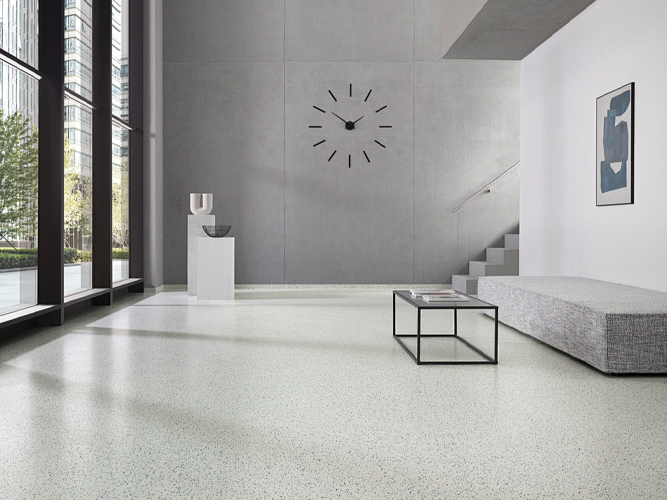
Vibration-free anti-slip ramps are specially designed surface systems used in modern urban infrastructure to provide safe, smooth, and stable transitions between different ground levels. They are widely applied in pedestrian zones, parking areas, commercial buildings, sidewalks, and accessibility routes where both safety and comfort are essential.
Unlike traditional ramps that may produce noise, uneven movement, or vibration under load, vibration-free anti-slip ramps are engineered to ensure a quiet, stable, and slip-resistant surface, significantly improving urban traffic safety for both pedestrians and vehicles.
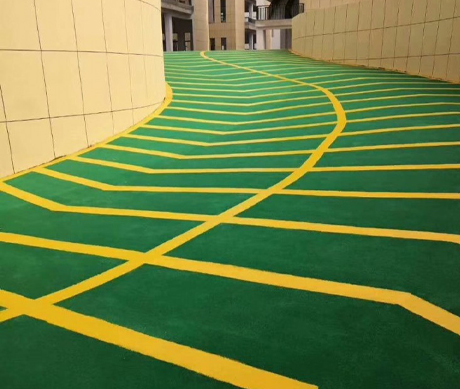
One of the main benefits of vibration-free ramps is their ability to eliminate sudden impact or uneven movement when users move between surfaces.
This improves safety by:
Reducing trip and fall risks for pedestrians
Providing smooth transitions for wheelchairs, strollers, and bicycles
Preventing vehicle instability at entry and exit points
Minimizing sudden jolts in high-traffic zones
A stable surface transition is especially important in busy urban environments where mixed traffic conditions exist.
These ramps are designed with high-friction surface materials that significantly improve grip under different weather conditions.
Key benefits include:
Strong traction in wet or rainy conditions
Reduced slipping risk for pedestrians and cyclists
Improved tire grip for vehicles entering or leaving ramps
Safer movement in slopes, entrances, and parking ramps
Anti-slip aggregates such as quartz sand, ceramic particles, or textured resin surfaces are commonly used to enhance friction performance.
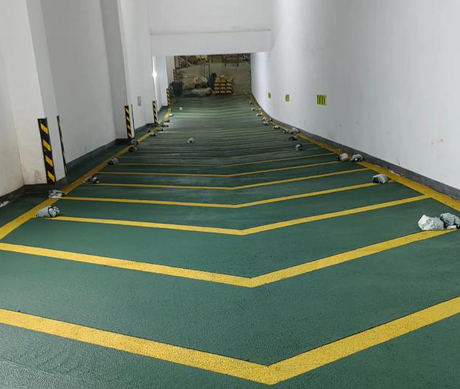
Traditional ramps can cause vibration, noise, and discomfort when vehicles or wheelchairs pass over them. Vibration-free systems solve this problem by creating a smooth and uniform surface structure.
Advantages include:
Quiet operation in residential and commercial areas
Comfortable movement for wheelchairs and mobility devices
Reduced mechanical stress on bicycles and vehicles
Better user experience in public infrastructure
This is especially important in hospitals, schools, transit stations, and shopping areas.
Vibration-free anti-slip ramps play a key role in creating inclusive and accessible urban environments.
They support:
Barrier-free movement for disabled users
Compliance with universal accessibility standards
Safer navigation for elderly pedestrians
Easier access to public buildings and transport systems
By improving accessibility, cities become safer and more inclusive for all users.
Modern ramp systems are built using durable materials such as MMA, epoxy, polyurethane, or modified concrete systems. These materials ensure long service life even under heavy use.
Performance benefits include:
Resistance to wear from continuous traffic
Strong adhesion to asphalt and concrete surfaces
UV and weather resistance
Low maintenance requirements
This makes them suitable for both indoor and outdoor applications.
Vibration-free anti-slip ramps are widely used in:
Parking lot entrances and exits
Sidewalk curb ramps
Pedestrian crossings
Commercial building entrances
Hospital and school access routes
Bicycle and shared mobility pathways
They are especially important in high-traffic areas where safety and smooth movement are critical.

These ramps improve overall urban traffic safety by:
Reducing accident risks at elevation changes
Improving visibility and surface awareness
Enhancing control for vehicles and pedestrians
Supporting safer multi-modal transportation systems
They help ensure that transitions between different surface levels do not become hazard points.
Vibration-free anti-slip ramps significantly improve urban traffic safety by combining smooth surface transitions, strong anti-slip performance, and enhanced accessibility. They reduce accidents, increase comfort, and support inclusive mobility in modern cities. As urban environments continue to grow more complex, these ramp systems play an increasingly important role in creating safer, more efficient, and more user-friendly infrastructure.