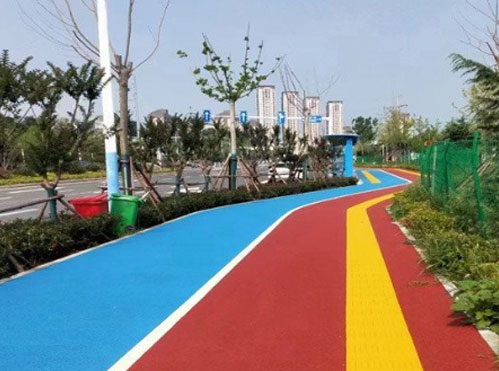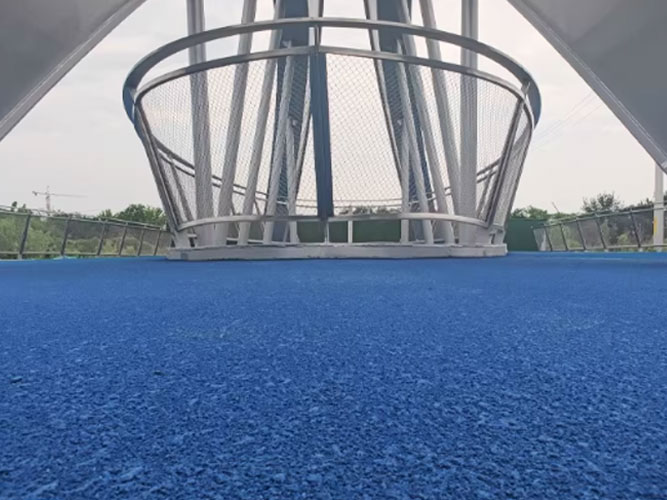
Colored pavement is widely used in modern transportation and urban landscape projects because it improves traffic safety, enhances visual guidance, and creates attractive public spaces. To achieve long-lasting performance and stable color effects, proper design and construction practices are essential.
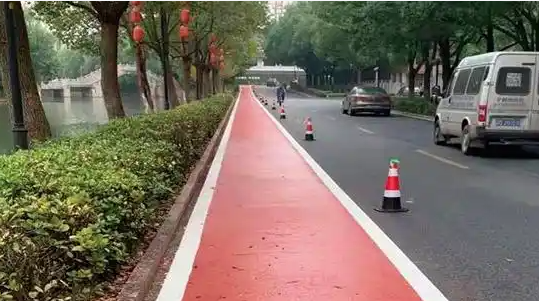
The first step in colored pavement construction is selecting the right material system. Common options include MMA resin pavement, water-based anti-slip coatings, colored asphalt, and color emulsified micro-surfacing. The choice depends on traffic volume, climate conditions, skid resistance requirements, and project budget. High-friction ceramic aggregates are often added to improve durability and anti-slip performance.
Surface preparation is one of the most important construction stages. The existing pavement must be clean, dry, and structurally stable before application. Dust, oil, loose particles, and moisture should be removed to ensure strong bonding between the coating and the substrate. Cracks and damaged areas should also be repaired in advance.
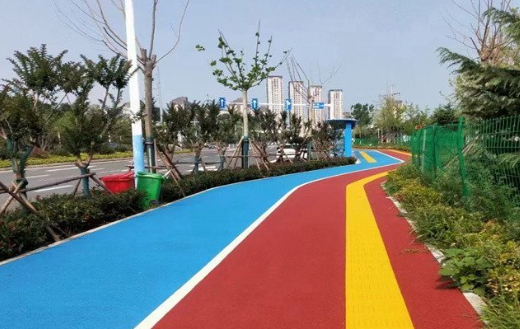
Proper pavement thickness and aggregate selection are critical for long-term durability. Heavy-traffic areas such as intersections, bus lanes, and ramps usually require stronger binders and wear-resistant aggregates. Uniform color distribution and even surface texture help maintain both appearance and functional performance.
Construction conditions also affect final quality. Temperature, humidity, and curing time must be carefully controlled during installation. Professional paving equipment and experienced施工 teams help ensure smooth application, accurate color consistency, and reliable bonding strength.
Drainage and skid resistance should be considered during the design stage. Anti-slip surfaces improve vehicle control and pedestrian safety, especially in rainy conditions. Bright pavement colors can also increase visibility and traffic guidance efficiency.
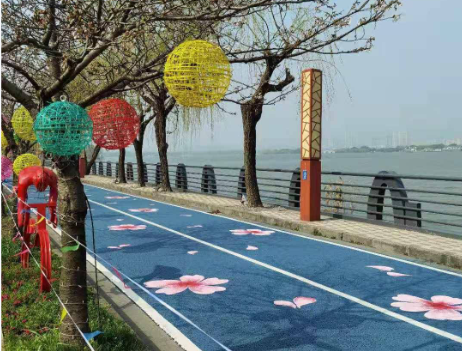
Routine inspection and maintenance further extend pavement service life. Cleaning, localized repairs, and protective surface treatments help preserve color brightness and surface performance over time.
By following best practices in design, material selection, surface preparation, and construction management, colored pavement systems can provide durable, safe, and visually appealing solutions for modern urban infrastructure.