Colored slurry surfacing is a cost-effective and high-performance road maintenance technology widely used in modern urban infrastructure. It combines fine aggregates, polymer-modified emulsions, pigments, and additives to create a thin, durable, and colored surface layer applied over existing asphalt or concrete roads.
This system is designed to improve road safety, restore surface texture, enhance skid resistance, and provide clear visual guidance for different traffic zones in cities.
Colored slurry surfacing is a cold-mixed pavement treatment that is applied as a thin layer over worn road surfaces. It consists of:
Polymer-modified asphalt emulsion
Fine mineral aggregates
Color pigments
Fillers and stabilizing additives
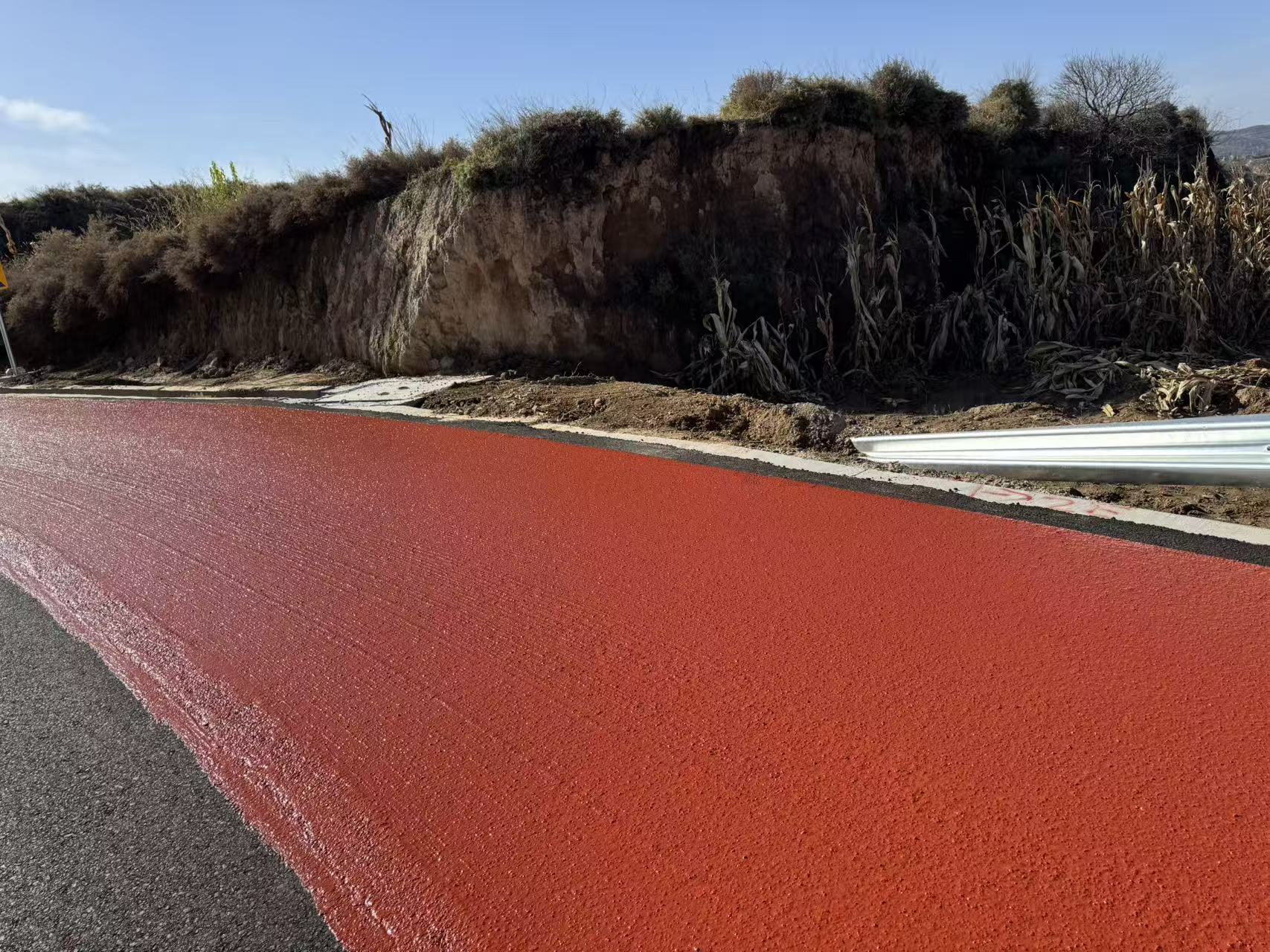
After application, the mixture cures to form a textured, colored, and skid-resistant surface.
Unlike full-depth reconstruction, slurry surfacing is a preventive maintenance solution that extends pavement life at a lower cost.
Although the surface layer is thin, it significantly improves road texture and skid resistance without altering the road structure.
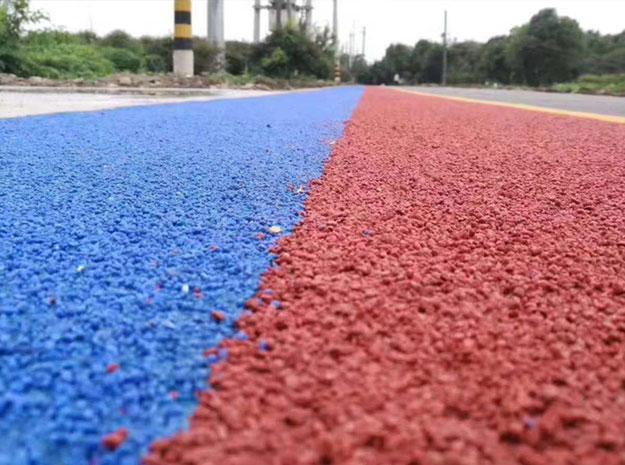
The micro-texture created by aggregates increases tire grip, improving safety in wet and dry conditions.
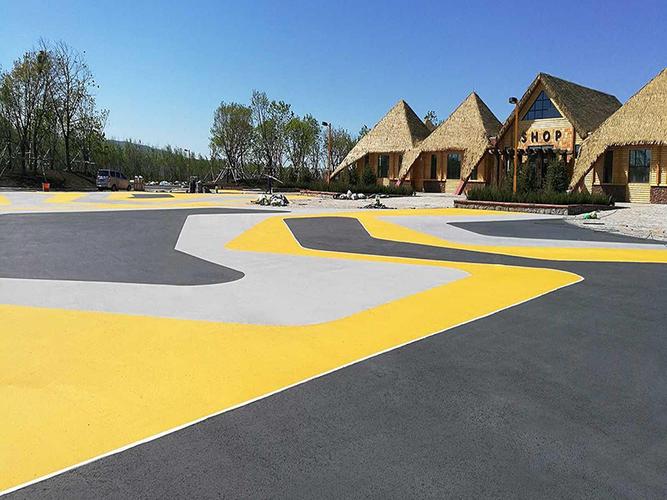
The system can be produced in various colors, allowing functional zoning of urban roads such as:
Bicycle lanes
Bus lanes
Pedestrian crossings
Safety warning zones
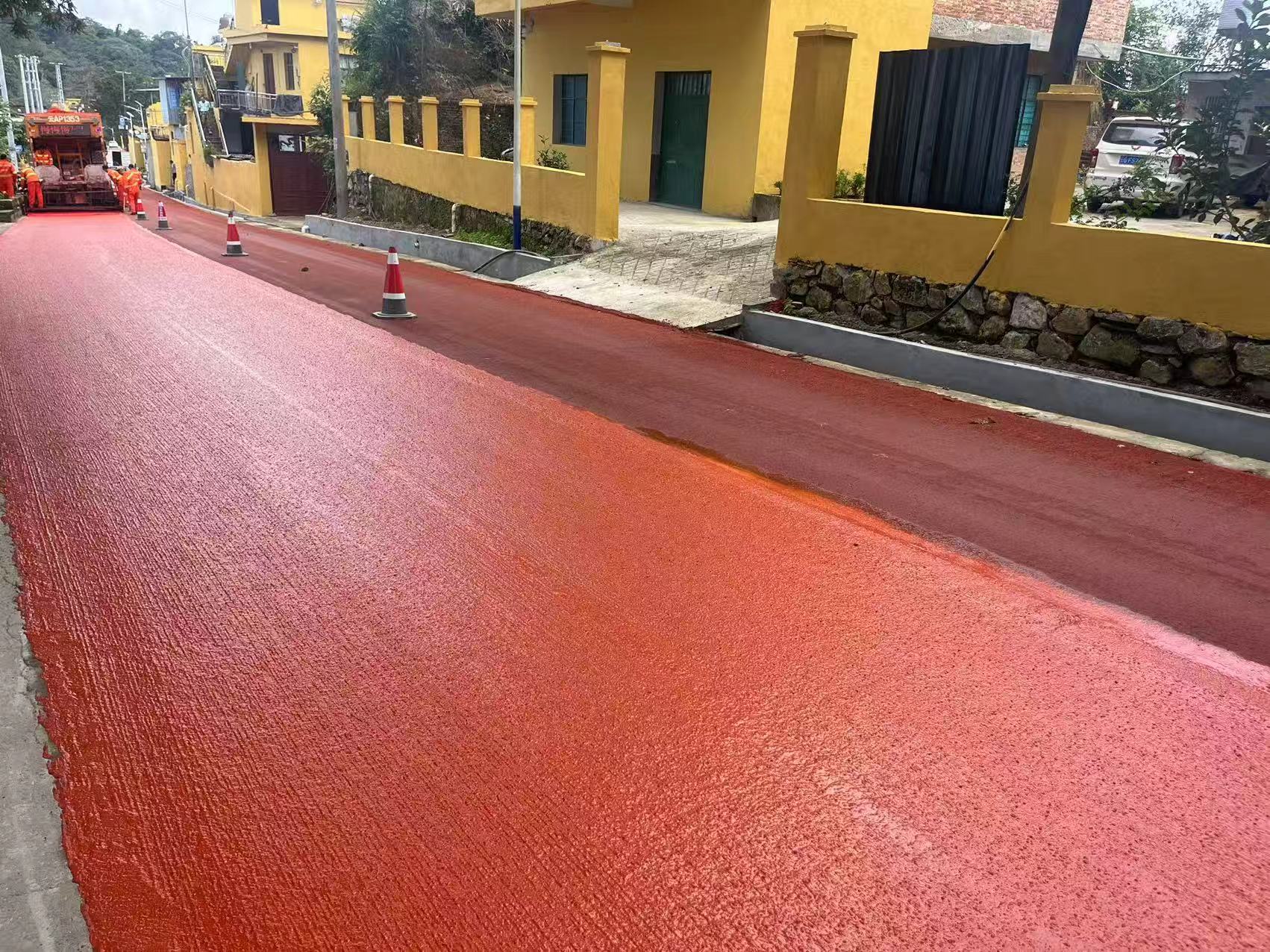
Colored slurry surfacing is applied using specialized equipment and cures relatively quickly, minimizing traffic disruption.
The combination of color coding and improved surface texture helps reduce accidents by enhancing driver awareness and road clarity.
Slurry surfacing is significantly more economical than full pavement reconstruction, making it ideal for large-scale municipal maintenance programs.
By sealing the surface and improving texture, it protects underlying pavement layers from water damage and oxidation.
The roughened surface improves braking performance and reduces the risk of skidding, especially in rainy conditions.
Because it is a thin-layer treatment, it reduces material consumption and supports more sustainable road maintenance practices.
Colored slurry surfacing is widely used in:
Urban arterial roads
Bicycle lanes and cycling networks
Pedestrian crossings
Parking lots and access roads
Residential streets
Airport service roads
School and hospital zones
Bus corridors and transit routes
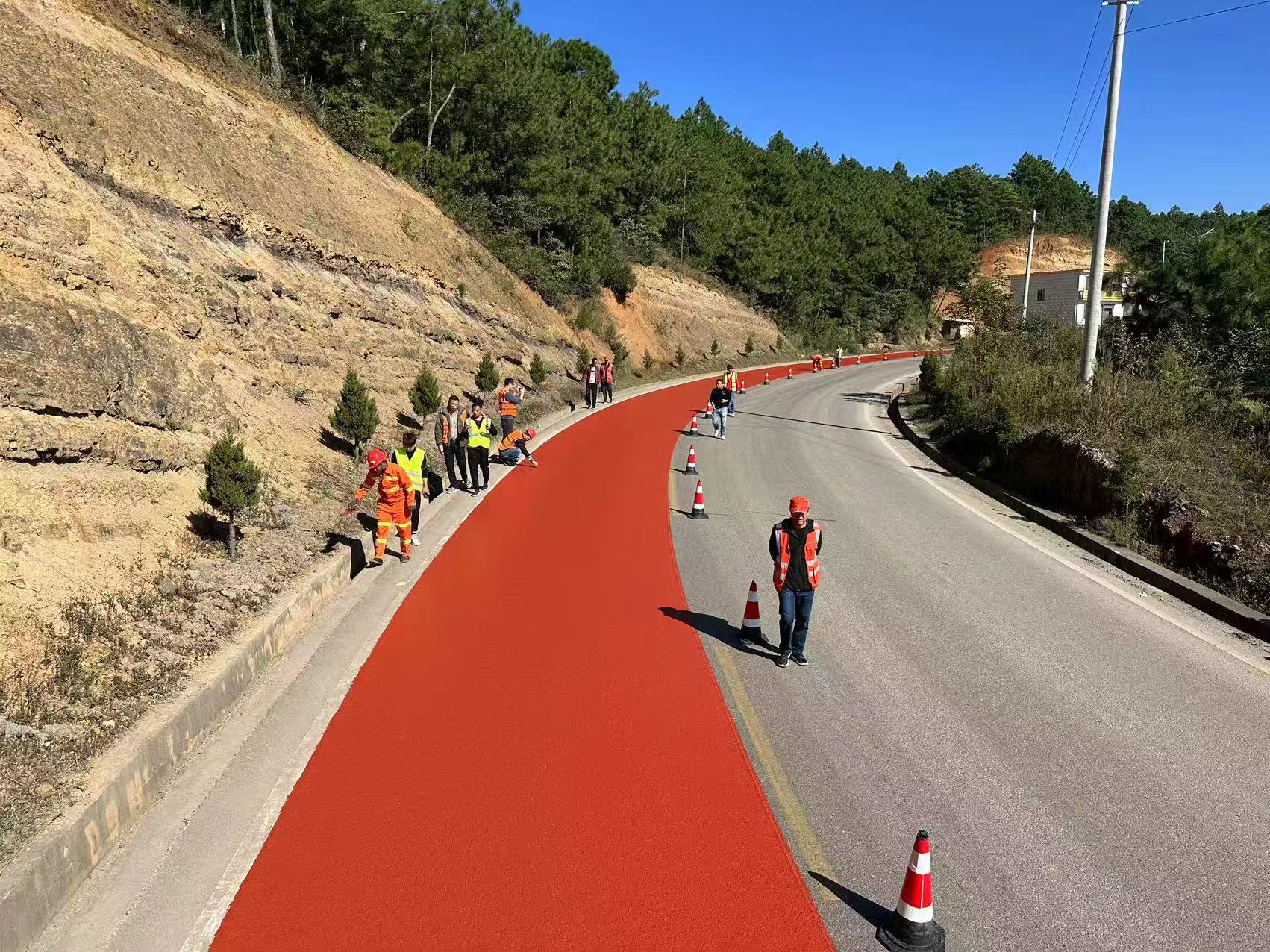
Colored slurry surfacing plays an important role in modern traffic organization by:
Clearly separating different traffic functions
Improving visual guidance for drivers and pedestrians
Enhancing awareness in high-risk zones
Supporting safer non-motorized transportation
This helps create more organized and efficient urban road systems.
Typical installation steps include:
Surface cleaning and preparation
Application of slurry mixture using specialized spreader
Even leveling of surface layer
Initial setting and curing
Opening to traffic after curing completion
The process is fast and suitable for large urban road networks.
Colored slurry surfacing technology is evolving toward:
Improved polymer modification systems
Longer-lasting color stability
Enhanced skid resistance performance
Faster curing formulations
Eco-friendly and low-emission materials
These advancements will further improve its role in sustainable urban infrastructure.
Colored slurry surfacing is an efficient and economical solution for improving urban road safety and extending pavement life. Its combination of skid resistance, color functionality, and cost-effectiveness makes it a widely used technology in modern city maintenance and traffic management systems.