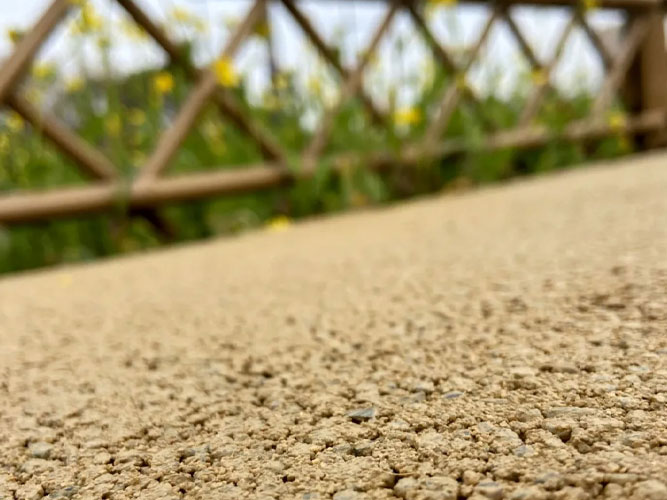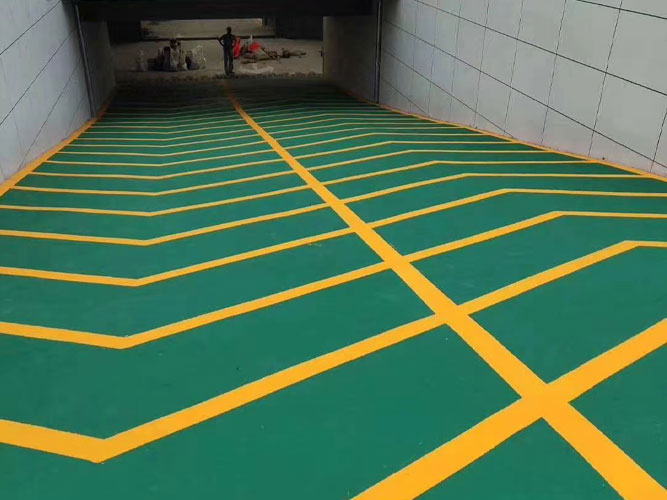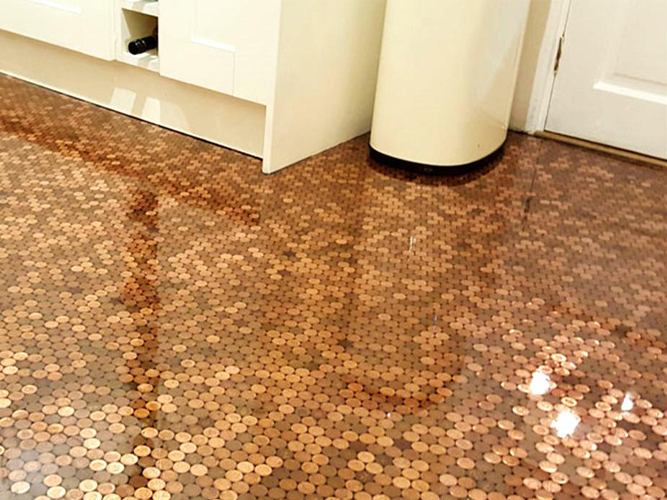
Custom colored asphalt is a modern pavement solution designed to improve road safety, traffic organization, and urban aesthetics by using tailored colors for specific roadway functions. Unlike traditional black asphalt, custom-colored systems allow engineers and city planners to assign meaning to different road areas—making streets more intuitive, visible, and safer for all users.
As cities move toward smarter infrastructure, custom colored asphalt is becoming a key tool in traffic management and accident prevention.
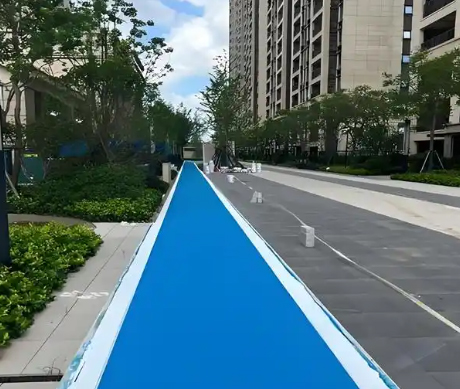
Custom colored asphalt is produced by adding pigments, modified binders, or surface treatments to create specific colors that match project requirements. These colors are not only decorative—they serve functional purposes such as guiding traffic, highlighting hazards, and separating road users.
Common customized colors include:
Red for bicycle lanes or high-risk zones
Green for cycling corridors or shared paths
Blue for special parking or accessibility areas
Yellow for warnings and transition zones
Gray/brown tones for scenic or blending environments
One of the most important benefits of custom colored asphalt is enhanced safety.
Color-coded pavement helps:
Reduce driver confusion at complex intersections
Increase cyclist visibility in dedicated lanes
Alert pedestrians to crossing areas
Highlight dangerous or high-friction zones
This visual communication reduces reaction time and helps prevent accidents before they occur.
Custom colored asphalt creates a clear structure within road networks.
Instead of relying only on signs and painted lines, color becomes an additional layer of guidance:
Vehicles stay in designated lanes more easily
Cyclists are protected with clearly marked routes
Pedestrian areas are visually separated
Bus lanes and priority routes are easier to identify
This improves overall traffic flow and reduces conflicts between road users.
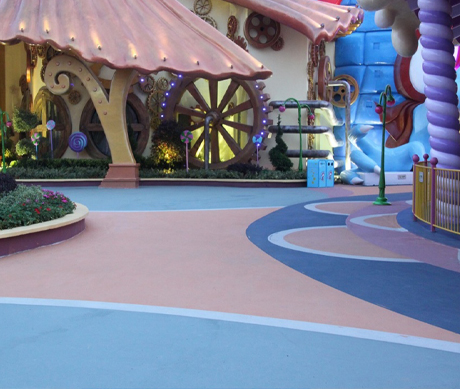
Compared to standard black asphalt, colored surfaces are significantly more visible.
This is especially important in:
Rainy weather
Nighttime driving
High-traffic urban areas
Complex intersections
Custom colors stand out clearly, helping drivers make faster and safer decisions.
Custom colored asphalt can be combined with anti-slip technologies to improve braking performance.
High-friction aggregates such as calcined bauxite or ceramic particles can be added to:
Reduce stopping distance
Improve grip on wet surfaces
Enhance control in curves and ramps
This makes colored asphalt not only visible—but also physically safer.
Modern urban planning uses custom colored asphalt to support intelligent transportation systems.
It can be used to:
Guide multimodal transport (cars, bikes, pedestrians)
Support smart city navigation layouts
Mark dynamic traffic zones
Enhance public space design consistency
This flexibility makes it a valuable tool for future-ready cities.
Beyond safety, custom colored asphalt also improves city appearance.
Cities use it to:
Create visually unified cycling networks
Design themed districts or tourism zones
Improve parks and public spaces
Strengthen urban branding and identity
A well-designed color system makes infrastructure both functional and attractive.
Modern colored asphalt systems are engineered for durability using:
UV-resistant pigments
Polymer-modified binders
Wear-resistant aggregates
When properly installed, they maintain both color and structural strength under long-term traffic conditions.
Traditional roads rely heavily on painted lines, which fade over time and require frequent repainting.
Custom colored asphalt reduces this dependency because:
Color is part of the surface layer
Visibility remains consistent longer
Maintenance cycles are reduced
This lowers long-term operational costs for municipalities.
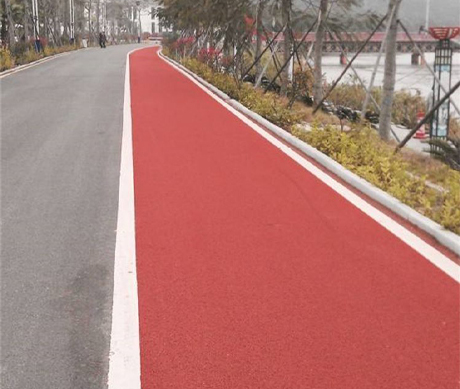
Custom colored asphalt is suitable for many infrastructure types:
Bicycle lane networks
Pedestrian crossings
School zones
Bus priority corridors
Parking and guidance areas
Scenic and tourism roads
Urban redevelopment projects
Smart city pilot zones
Its versatility makes it suitable for both small-scale and large-scale projects.
Custom colored asphalt is more than a design upgrade—it is a functional safety system that improves visibility, organizes traffic, and enhances urban environments. By combining color-coded guidance with durable asphalt technology, cities can create safer and more efficient road networks.
As urban mobility becomes more complex, custom colored asphalt offers a practical and scalable solution for building safer, smarter, and more visually coherent roads.