As transportation infrastructure continues to evolve, road safety and traffic management have become top priorities for governments, contractors, and urban planners. Coloured surfacing has emerged as a practical and effective solution that enhances both the functionality and appearance of roads. From bicycle lanes and pedestrian crossings to bus lanes and commercial areas, coloured surfacing offers numerous advantages that make it an increasingly popular choice worldwide.
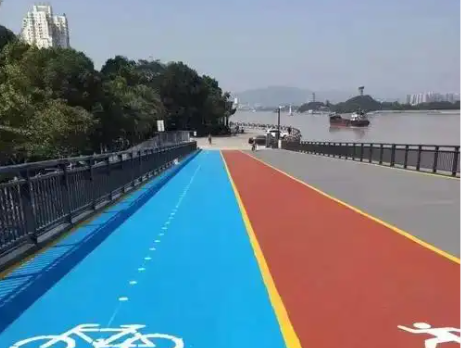
One of the most important benefits of coloured surfacing is improved road safety. Bright, clearly visible pavement colors help drivers, cyclists, and pedestrians quickly identify designated traffic zones. By creating a strong visual contrast with standard asphalt surfaces, coloured surfacing improves awareness and reduces the risk of accidents.
In high-risk locations such as intersections, school zones, and pedestrian crossings, coloured surfacing can provide additional warning and guidance for road users.
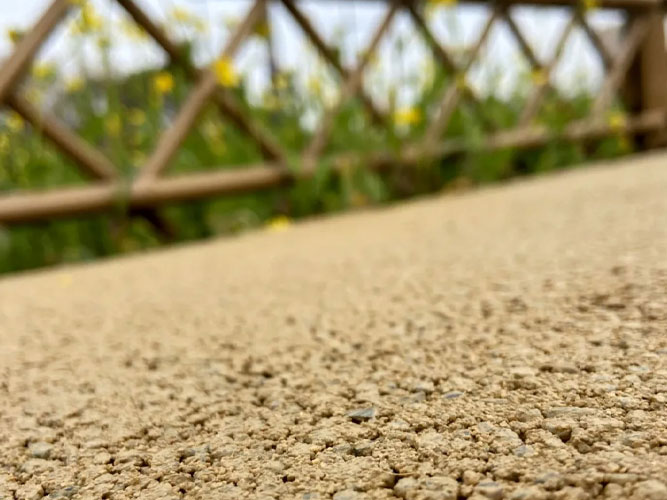
Many coloured surfacing systems are designed with anti-skid properties. By incorporating high-friction aggregates, these surfaces provide better traction for vehicles and bicycles, especially during wet weather conditions.
Improved skid resistance helps:
Reduce braking distances
Enhance vehicle control
Improve cyclist safety
Minimize the risk of skidding accidents
This makes coloured surfacing particularly valuable in areas with heavy traffic and frequent rainfall.
Coloured surfacing is widely used to organize and direct traffic efficiently. Different colors can identify specific road functions and traffic priorities.
Common examples include:
Red surfacing for bus lanes
Green surfacing for bicycle lanes
Blue surfacing for parking areas
Colored warning zones at intersections
These visual cues help road users understand traffic patterns instantly, reducing confusion and improving traffic flow.
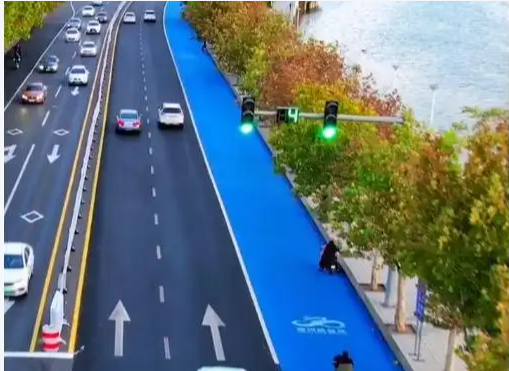
Visibility is critical for road safety, especially in low-light conditions and adverse weather. Coloured surfacing improves lane recognition and helps highlight important traffic areas.
Drivers can identify designated zones more quickly, while pedestrians and cyclists benefit from clearly marked pathways. Enhanced visibility contributes to safer transportation networks for all users.
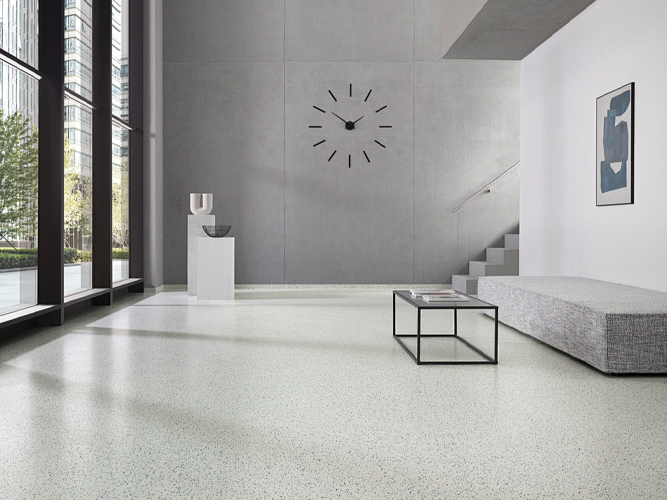
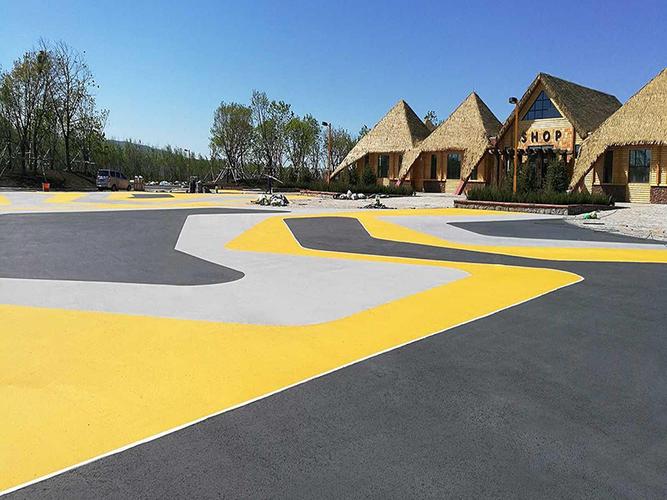
Beyond its functional benefits, coloured surfacing also enhances the visual appeal of roads and public spaces. Modern cities increasingly use coloured pavement to create vibrant and organized urban environments.
Well-designed coloured surfacing can:
Improve streetscape aesthetics
Support urban renewal projects
Create distinctive traffic zones
Enhance public infrastructure appearance
As a result, coloured surfacing contributes to both safety and city beautification efforts.
High-quality coloured surfacing materials are engineered for durability. They are designed to withstand heavy traffic loads, changing weather conditions, and continuous exposure to sunlight.
Key performance advantages include:
Excellent adhesion to asphalt and concrete
UV resistance for color retention
Weather resistance
Low maintenance requirements
Long service life
These characteristics help reduce maintenance costs and improve the overall value of infrastructure investments.
Coloured surfacing can be used in a wide range of projects, including:
Urban roads
Bicycle lanes
Bus corridors
Pedestrian crossings
Parking facilities
Residential communities
Industrial parks
Airport service roads
Commercial developments
Its versatility makes it suitable for both public and private infrastructure projects.
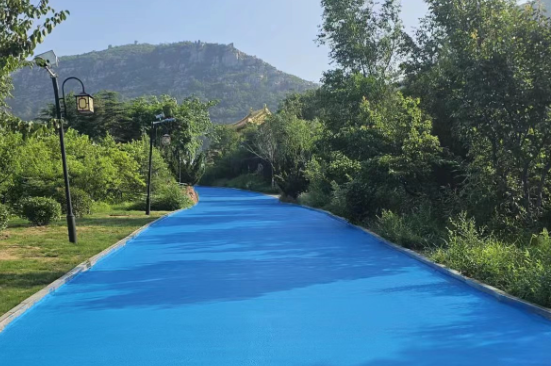
Many modern coloured surfacing systems are developed with sustainability in mind. Water-based technologies and durable materials help reduce environmental impact while extending pavement life.
By improving road longevity and reducing maintenance frequency, coloured surfacing can contribute to more sustainable infrastructure development.
The benefits of coloured surfacing extend far beyond appearance. Improved road safety, enhanced skid resistance, better traffic management, increased visibility, and long-term durability make coloured surfacing an essential solution for modern transportation infrastructure. Whether used on roads, bicycle lanes, pedestrian crossings, or commercial developments, coloured surfacing provides lasting value for contractors, municipalities, and road users alike.