Why Engineers Are Switching to Colored Anti-Skid Road Surfacing Worldwide
Across modern transportation networks, engineers are rapidly adopting colored anti-skid road surfacing as a preferred solution for improving safety, durability, and traffic organization. This shift is not just a design trend—it reflects a broader transformation in how road infrastructure is planned, built, and maintained in response to increasing urban density and traffic complexity.
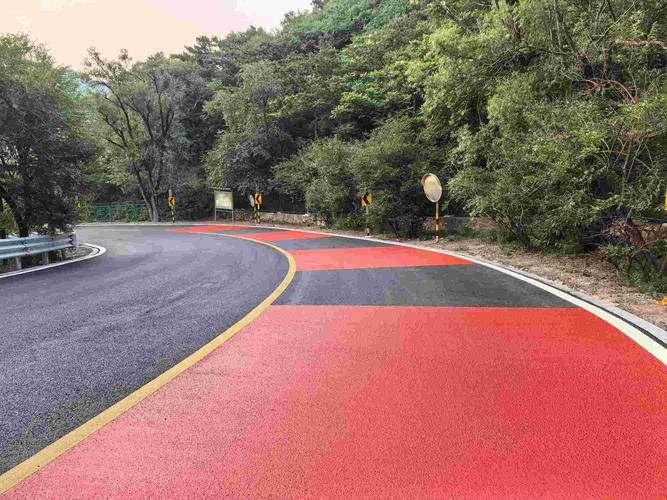
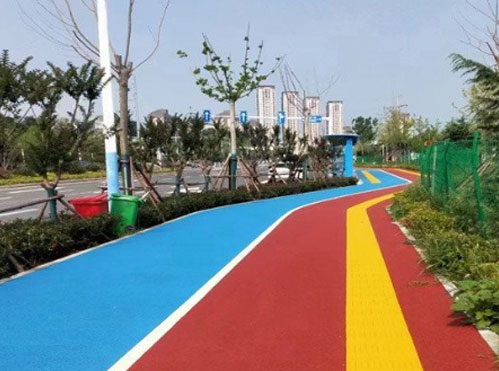
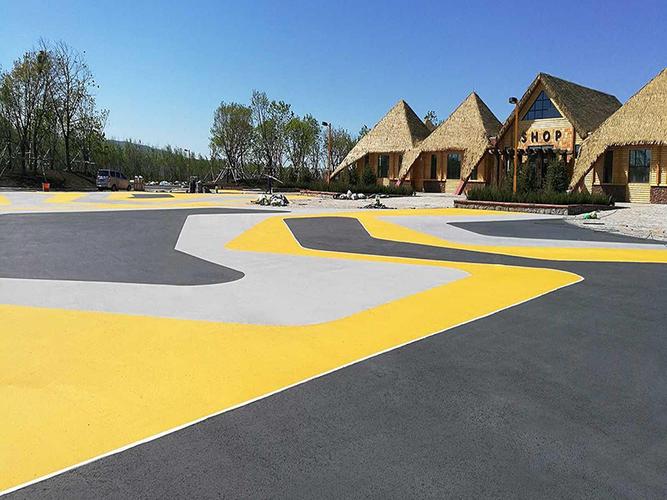
One of the primary drivers behind this change is road safety improvement. Traditional asphalt surfaces provide limited visual guidance, especially in complex traffic environments. Colored anti-skid surfacing introduces high-visibility zones that clearly define lanes, crossings, bike paths, bus lanes, and hazard areas. By enhancing contrast and visual communication on the road, drivers can make faster decisions, reducing accidents in high-risk zones such as intersections, school areas, and highway ramps.
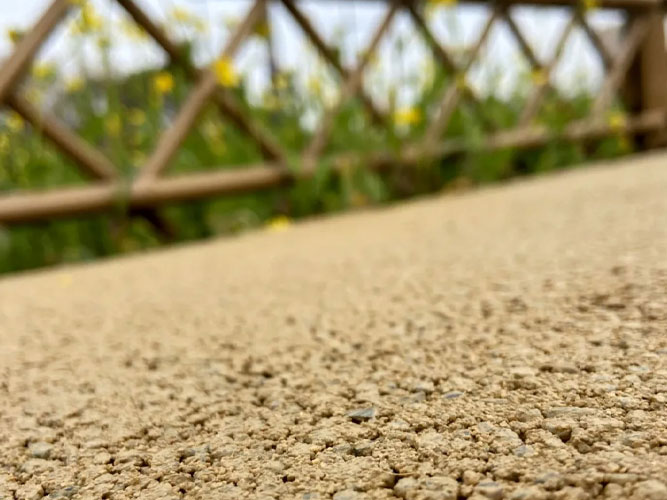
Equally important is the enhancement of skid resistance. Modern colored surfacing systems—such as resin-based coatings, ceramic aggregate surfacing, and waterborne EAU colored anti-slip pavement systems—are engineered to deliver high friction performance under various conditions. Whether in wet weather, heavy braking zones, or high-temperature environments, these surfaces significantly improve tire grip. This reduces braking distance and enhances vehicle stability, making roads safer for both vehicles and vulnerable road users like cyclists and pedestrians.
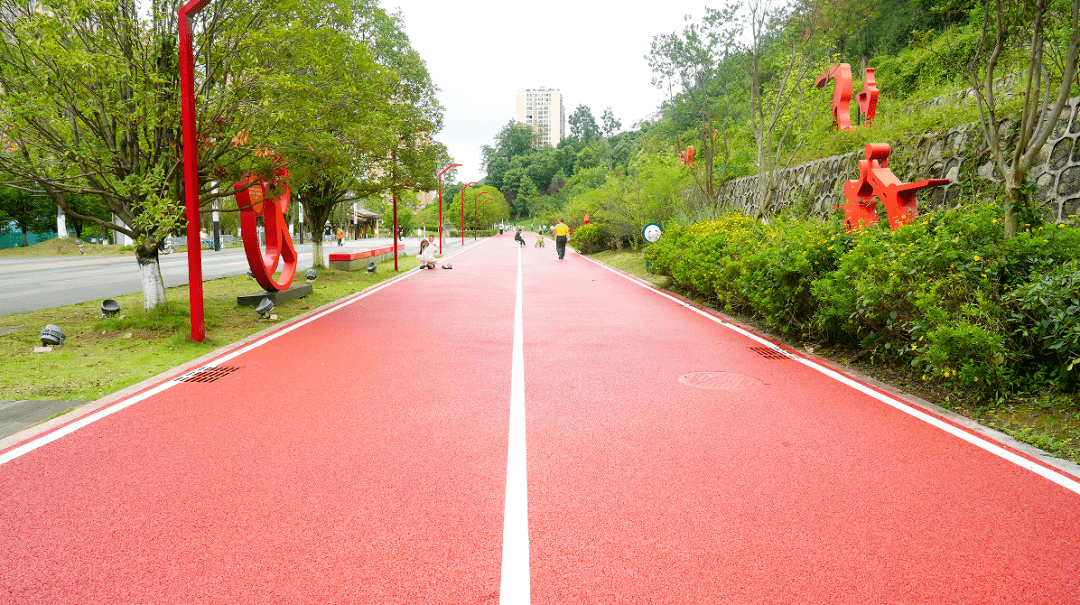
Another major reason engineers are switching is durability and lifecycle efficiency. Advanced systems like MMA resin colored pavement and color emulsified micro-surfacing are designed for rapid curing and strong adhesion to existing asphalt or concrete layers. This allows for quick installation and minimal traffic disruption, which is crucial in urban environments where road closures are costly. In addition, these materials offer strong resistance to wear, UV exposure, and chemical damage, extending the service life of road surfaces and reducing long-term maintenance costs.
Sustainability considerations are also influencing engineering decisions. Many modern colored anti-skid systems are water-based or low in volatile organic compounds (VOC), making them more environmentally friendly compared to traditional solvent-based coatings. Some formulations also contribute to reducing the urban heat island effect by reflecting more sunlight than standard dark asphalt surfaces. As cities worldwide pursue greener infrastructure solutions, these environmental benefits are becoming increasingly important.
Beyond performance and sustainability, colored surfacing supports smarter traffic management and urban design. Roads today are not only functional pathways but also structured systems of visual communication. Colored pavement allows engineers to assign specific meanings to different zones—such as warning areas, bus-only lanes, or pedestrian priority paths—without relying solely on signage. This improves clarity, reduces driver confusion, and enhances overall traffic flow efficiency.
In addition, colored anti-skid surfacing plays a key role in improving accessibility and public space design. It is widely used in pedestrian plazas, parks, bridges, tunnels, and ramps where safety and visibility are essential. The combination of color differentiation and high friction performance helps create more inclusive and user-friendly environments for all road users.
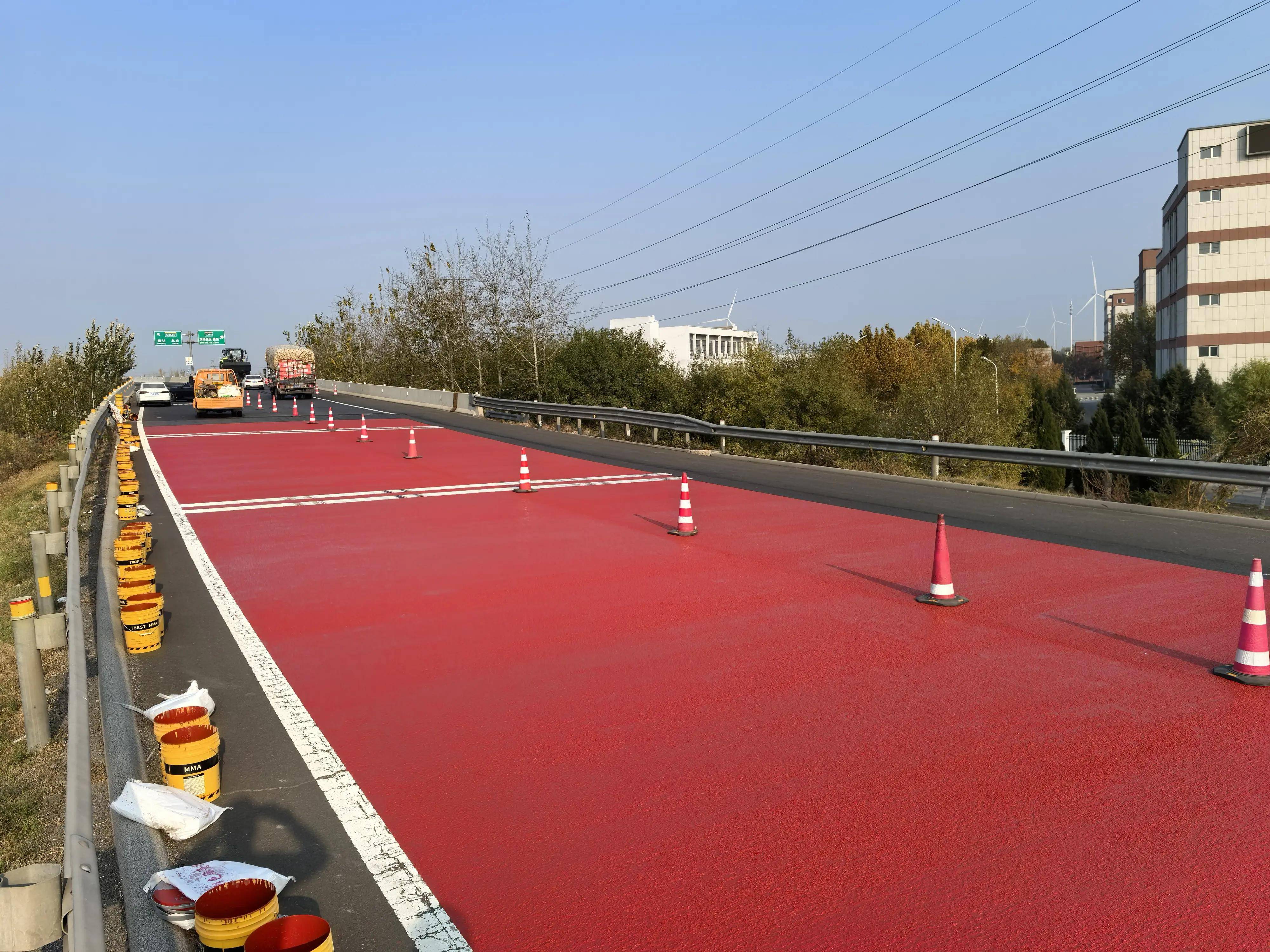
Cost-effectiveness is another factor accelerating adoption. While initial material costs may be higher than conventional asphalt markings, the long-term savings from reduced maintenance, fewer accidents, and extended service life make colored anti-skid systems a cost-efficient investment for municipalities and infrastructure developers.
In conclusion, engineers worldwide are switching to colored anti-skid road surfacing because it delivers a comprehensive solution that traditional materials cannot match. It enhances safety through visibility and friction, improves durability and maintenance efficiency, supports environmental goals, and enables more intelligent urban road design. As transportation systems continue to evolve, colored anti-skid surfacing is becoming an essential component of modern, high-performance infrastructure rather than an optional enhancement.