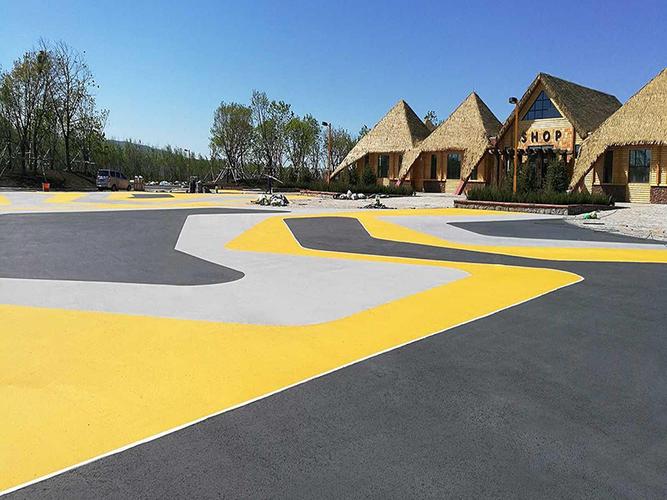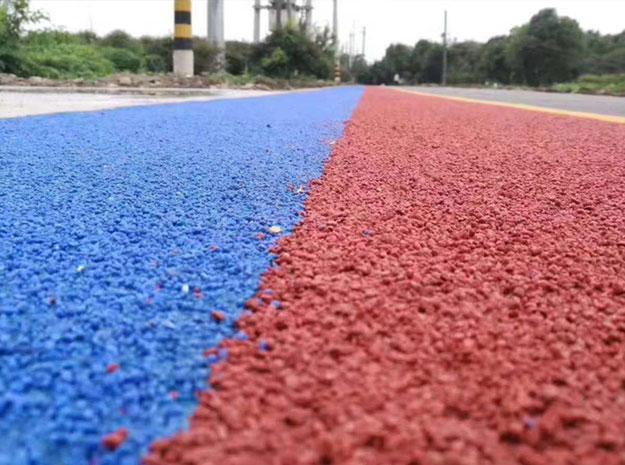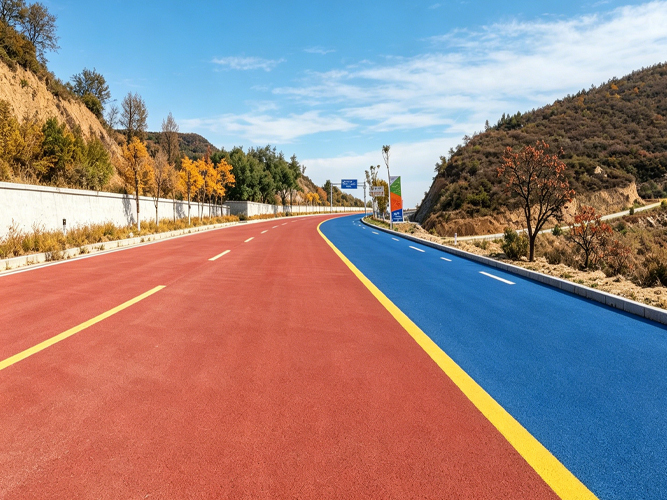
Colored asphalt is widely used for bicycle lanes, bus lanes, pedestrian areas, parking lots, parks, and urban roads because it combines functionality with visual appeal. One of the most common questions among project owners and contractors is how durable colored asphalt is and how long it can last. The answer depends on the materials used, traffic conditions, installation quality, and maintenance practices.
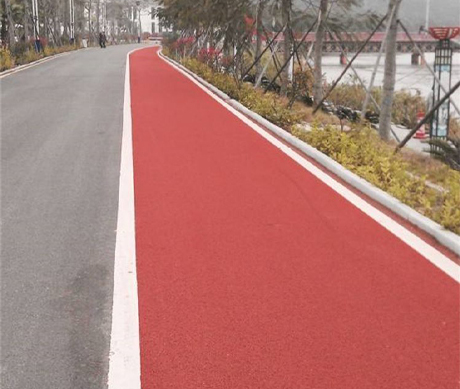
Modern colored asphalt systems are designed to withstand heavy traffic, weather exposure, and daily wear. High-quality colored asphalt uses durable pigments, colored binders, or surface coatings that resist fading and maintain their appearance over time. Many systems also incorporate anti-slip aggregates, which improve skid resistance and enhance road safety.
Compared with traditional asphalt, colored asphalt offers similar structural strength when properly constructed. The color itself does not weaken the pavement. In fact, advanced resin-based colored surfacing systems can provide additional protection against abrasion, UV radiation, and environmental damage.
The lifespan of colored asphalt varies depending on the application:
Low-traffic pedestrian paths and parks: 8–15 years
Bicycle lanes and recreational trails: 7–12 years
Urban roads and commercial areas: 5–10 years
High-traffic intersections and bus lanes: 3–8 years before surface renewal may be required
The pavement structure often lasts much longer than the visible color layer. In many cases, periodic resurfacing or recoating can restore color and anti-slip performance without replacing the entire pavement.
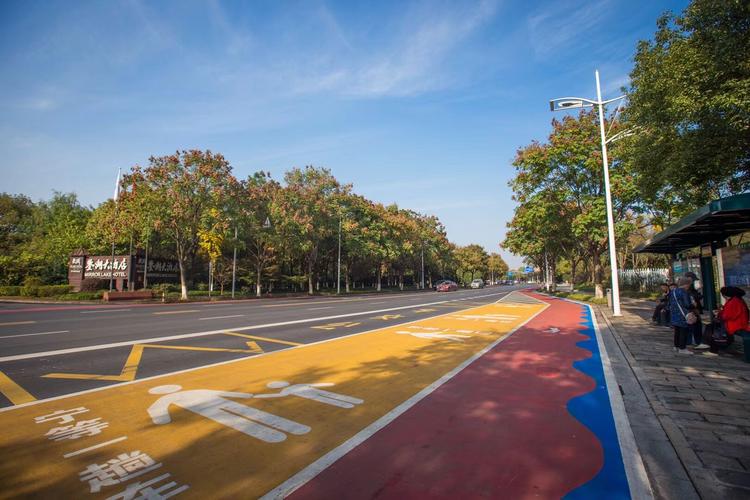
Areas exposed to heavy vehicle traffic experience faster surface wear than pedestrian walkways or cycling paths. Frequent braking, turning, and acceleration can accelerate color degradation.
Premium pigments, high-performance resins, and durable aggregates significantly improve longevity. Investing in quality materials typically results in lower lifecycle costs.
UV exposure, temperature fluctuations, rainfall, and freeze-thaw cycles can affect pavement performance. UV-resistant materials help maintain color stability in sunny environments.
Proper surface preparation, material mixing, and application techniques are essential for achieving maximum durability. Poor installation can lead to premature peeling, cracking, or fading.
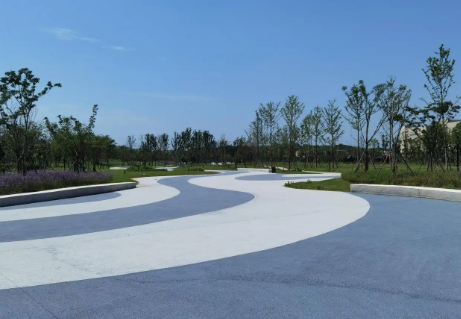
Routine cleaning and timely repairs help extend the lifespan of colored asphalt. Addressing minor damage early prevents larger maintenance issues later.
To achieve the best long-term performance, project owners should select high-quality materials, work with experienced contractors, and implement a regular maintenance program. Protective coatings and periodic surface renewals can further extend service life and preserve color vibrancy.
Colored asphalt is a durable and cost-effective solution for modern transportation and public infrastructure projects. When properly installed and maintained, it can provide many years of reliable service while enhancing safety, visibility, and aesthetics. Although the exact lifespan depends on project conditions, high-quality colored asphalt systems offer excellent long-term value and performance for a wide range of applications.