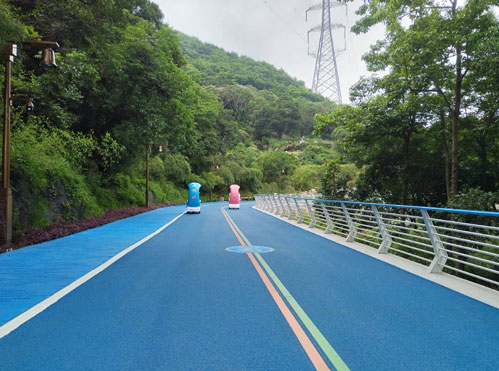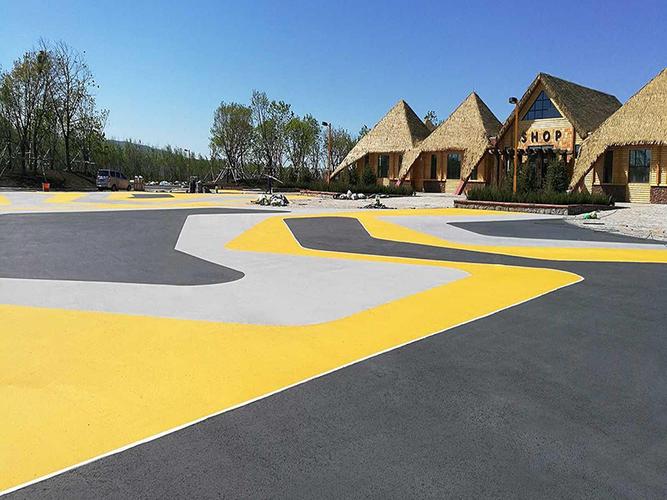
The global demand for colored anti-slip pavement is growing rapidly as governments, transportation authorities, and urban planners place greater emphasis on road safety, sustainable infrastructure, and modern city development. With increasing traffic density and rising concerns about accidents involving vehicles, cyclists, and pedestrians, colored anti-slip pavement has become an important solution for improving transportation safety and traffic management worldwide.
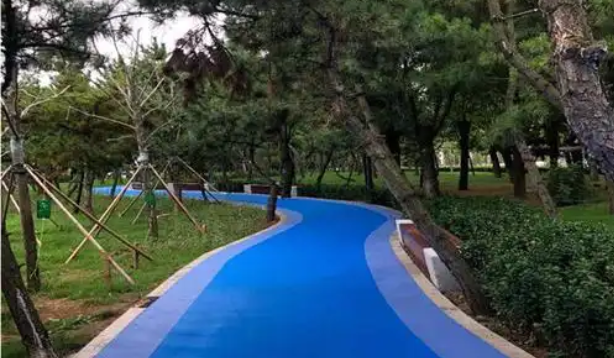
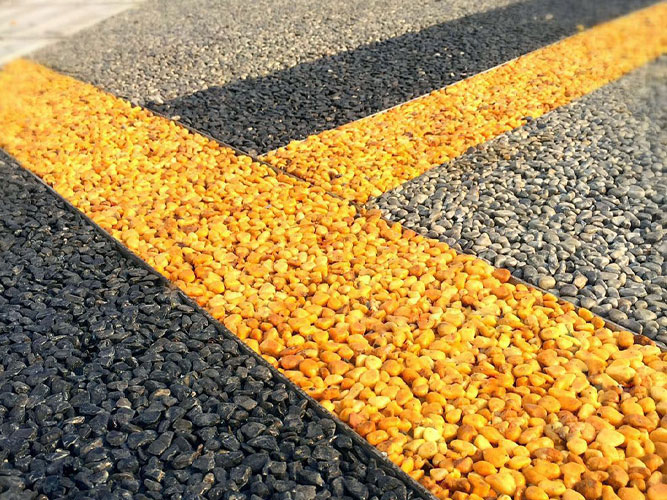
Colored anti-slip pavement systems are designed to provide both high visibility and enhanced skid resistance. These surfaces are typically made using resin binders combined with anti-skid aggregates such as ceramic particles, quartz sand, or calcined bauxite. The textured surface improves tire grip and pedestrian traction, helping reduce skidding accidents in wet or hazardous conditions. At the same time, bright pavement colors improve road guidance and make traffic zones easier to identify.
Many countries are now widely applying colored pavement technology in urban roads, highways, bicycle lanes, bus lanes, pedestrian crossings, airports, tunnels, bridges, and industrial facilities. In densely populated cities, colored anti-slip pavement is especially valuable for separating traffic flows and improving safety around schools, shopping districts, and public transportation systems.
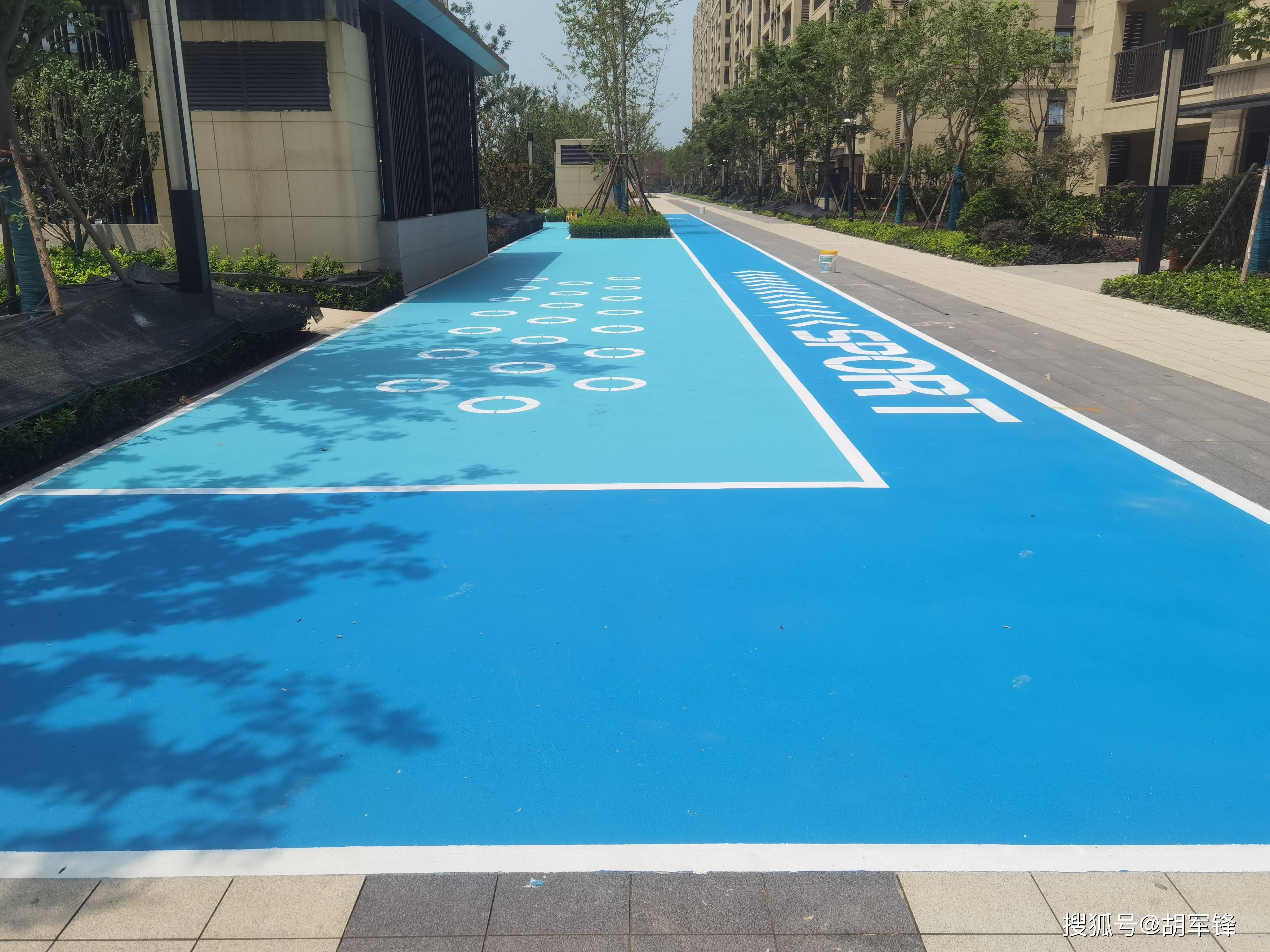
One major factor driving market growth is the increasing global focus on smart city infrastructure. Modern urban development projects require road systems that are not only durable and functional but also visually organized and environmentally friendly. Colored pavement helps create cleaner and safer transportation environments while supporting efficient traffic management.
Environmental awareness is also contributing to the expansion of the industry. Many modern colored anti-slip pavement products use water-based or low-VOC materials that reduce environmental impact compared with traditional solvent-based coatings. Sustainable pavement technologies are becoming increasingly important in Europe, North America, Southeast Asia, and the Middle East, where green construction standards continue to evolve.
In addition, advancements in resin technology and anti-skid materials have improved the durability and performance of colored pavement systems. High-performance coatings now offer better UV resistance, stronger adhesion, faster curing times, and longer service life under heavy traffic conditions. These improvements reduce maintenance costs and make the technology more attractive for large-scale infrastructure projects.
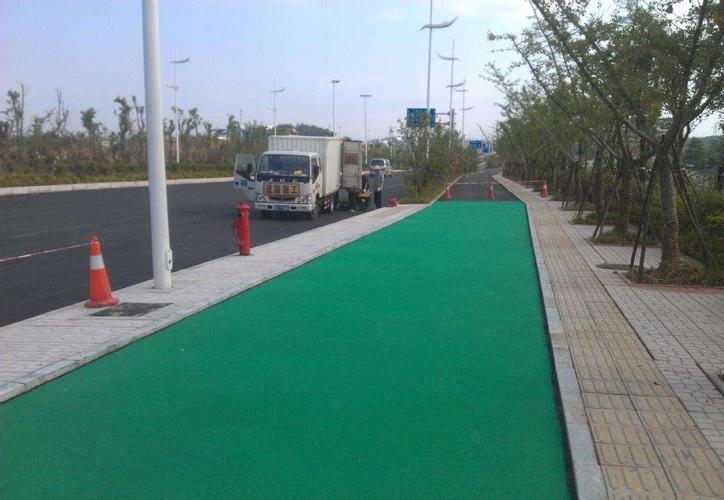
As road safety regulations become stricter worldwide, the demand for colored anti-slip pavement is expected to continue growing. Its ability to combine safety, durability, visibility, and modern urban design makes it an essential solution for future transportation infrastructure development across global markets.