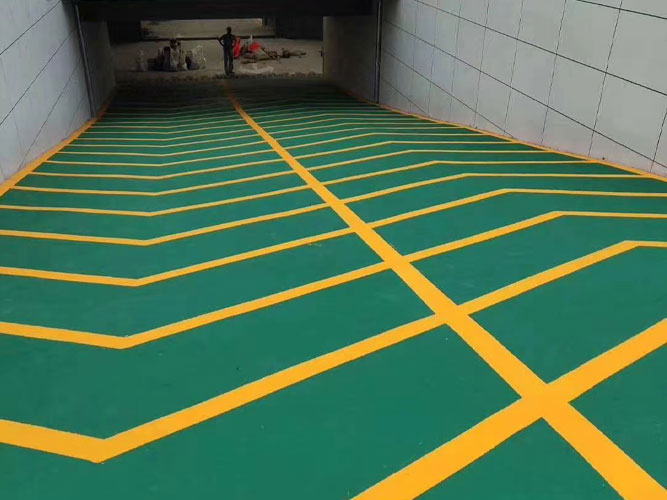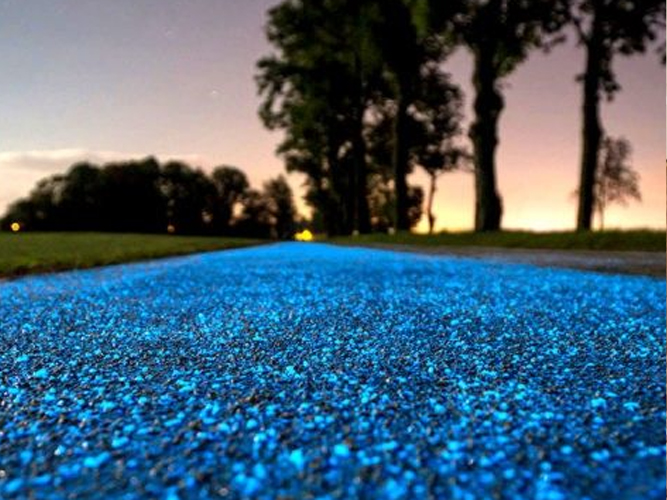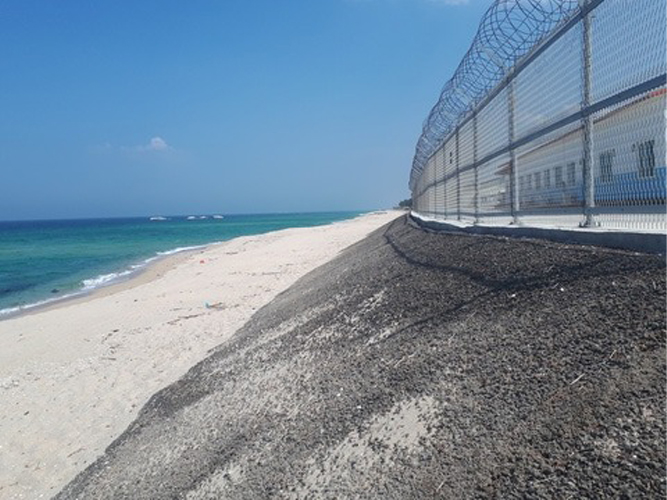
Road safety remains a major challenge worldwide as traffic volumes continue to increase and transportation networks become more complex. Governments, transportation agencies, and infrastructure developers are investing heavily in innovative technologies that can reduce accidents and improve driving conditions. Among these solutions, road anti-skid materials have emerged as one of the most effective and cost-efficient approaches to enhancing pavement safety.
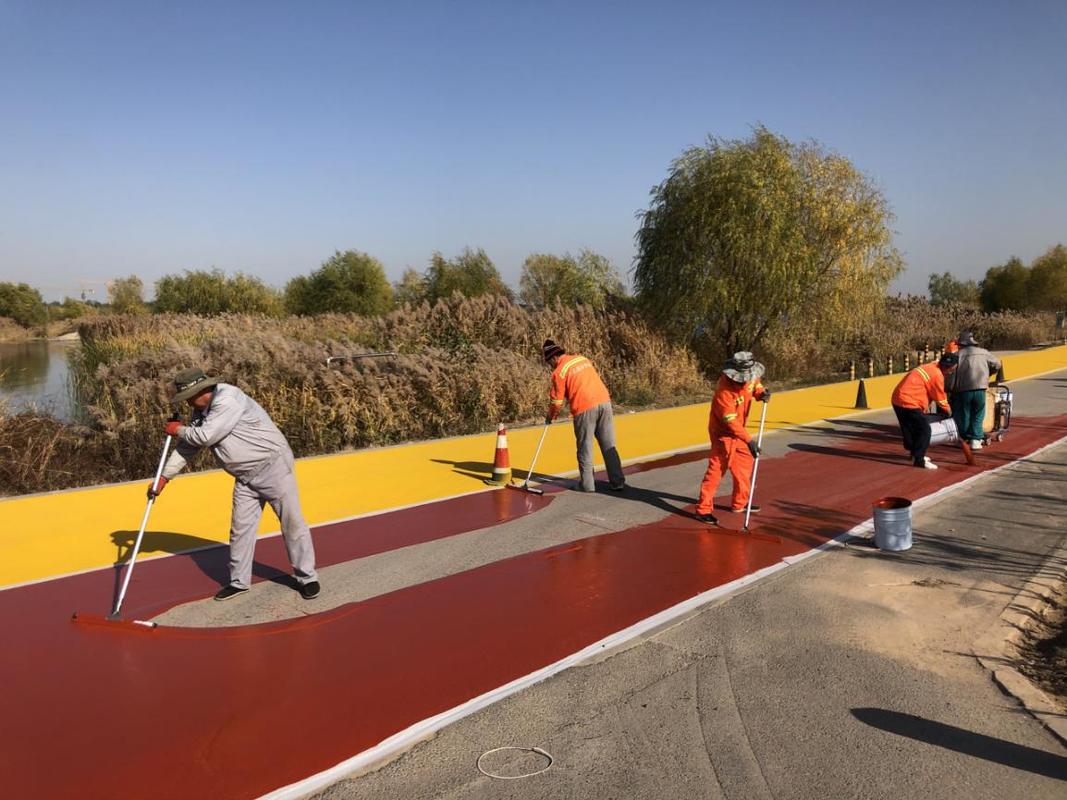
Road anti-skid materials, often referred to as high-friction surfacing systems, are engineered to increase the friction between vehicle tires and road surfaces. These systems typically combine durable aggregates with advanced resin binders to create a surface that provides exceptional skid resistance under both dry and wet conditions. They are widely applied at intersections, roundabouts, bridge decks, steep grades, highway ramps, pedestrian crossings, bicycle lanes, and other high-risk traffic areas.
One of the most significant global trends is the growing adoption of High Friction Surface Treatments (HFST). Transportation agencies around the world are using HFST to improve safety at locations with a history of wet-weather crashes, sharp curves, and heavy braking demand. Studies have shown that high-friction surfacing can significantly reduce crash rates while improving vehicle control and shortening braking distances.
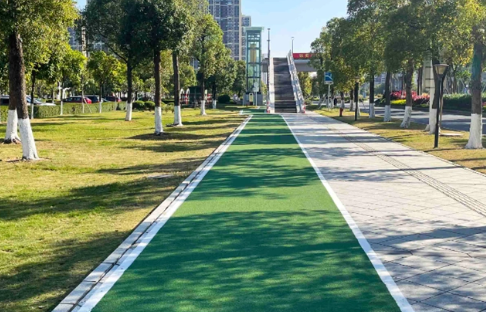
Another important trend is the increasing use of colored anti-skid pavement systems. Colored surfaces help improve traffic organization by clearly identifying bicycle lanes, bus lanes, pedestrian zones, school areas, and other designated spaces. Enhanced visibility supports safer navigation and contributes to smarter urban mobility planning.
Sustainability is also influencing the development of road anti-skid technologies. Many manufacturers are introducing water-based, low-VOC, and environmentally friendly pavement systems that reduce environmental impact while maintaining high performance. The industry is increasingly focused on durable materials that extend pavement service life and reduce maintenance requirements, supporting long-term infrastructure sustainability.
Digitalization and intelligent transportation systems are creating new opportunities for road safety innovation. Modern road networks increasingly rely on pavement condition monitoring, friction management programs, and data-driven maintenance strategies. Advanced pavement friction measurement technologies help agencies identify high-risk locations and deploy anti-skid treatments more effectively.
The rise of smart mobility is further accelerating demand for high-performance road surfaces. As cities expand bicycle infrastructure, public transit corridors, and pedestrian-friendly environments, the need for reliable anti-skid pavement systems continues to grow. These materials not only improve safety but also support efficient traffic management and enhanced user experience.

Looking ahead, global road safety strategies will continue to prioritize high-friction surfacing, sustainable pavement technologies, and intelligent infrastructure solutions. Road anti-skid materials are expected to play an increasingly important role in reducing accidents, improving transportation efficiency, and supporting the development of safer and more resilient road networks worldwide.
As transportation infrastructure evolves, road anti-skid materials will remain at the forefront of road safety innovation, helping governments and contractors create safer roads for drivers, cyclists, and pedestrians around the globe.