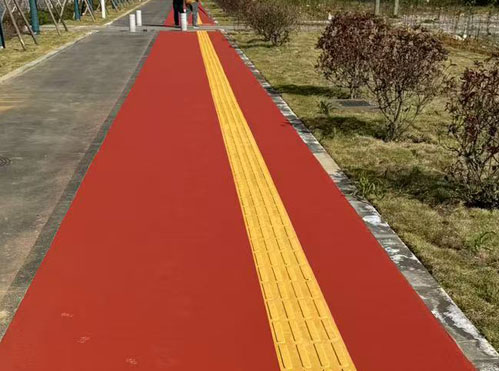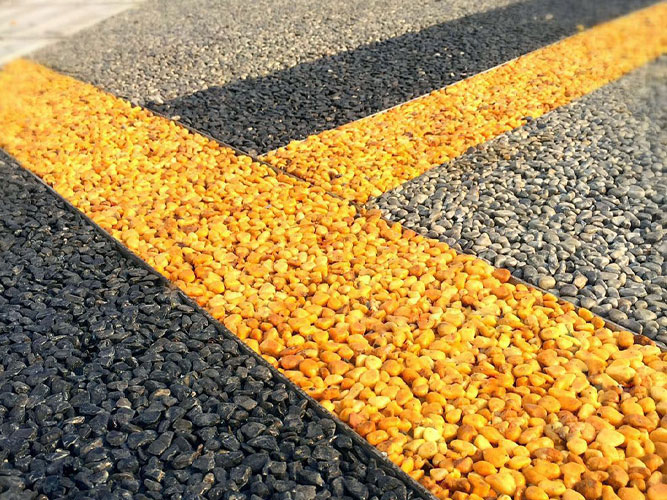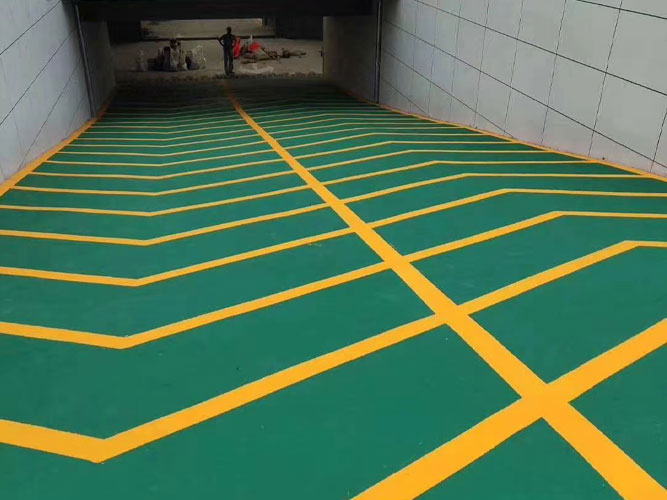
Safety and color play an increasingly important role in modern road surface design. As urban traffic continues to grow, transportation authorities are focusing on solutions that improve visibility, guide traffic efficiently, and reduce accident risks. Colored road surfaces combine functional safety features with clear visu
al communication, making them an effective choice for modern transportation infrastructure.
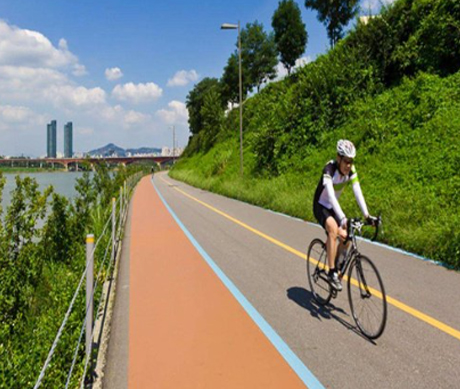
One of the main benefits of colored road surfaces is improved traffic visibility. Bright colors such as red, green, blue, and yellow help distinguish different traffic zones and provide clear guidance for drivers, cyclists, and pedestrians. For example, green pavement is often used for bicycle lanes, while red pavement commonly identifies bus lanes or warning areas. These visual differences help road users quickly understand traffic conditions and reduce confusion in busy environments.
Colored road surfaces also improve safety by increasing driver awareness. High-visibility pavement attracts attention and encourages drivers to slow down near pedestrian crossings, school zones, sharp curves, and intersections. This visual warning effect helps reduce speeding and lowers the possibility of accidents.
In addition, many colored pavement systems include anti-slip materials such as ceramic particles or high-friction aggregates. These surfaces provide better tire grip and improved braking performance, especially during rainy or slippery weather conditions. High-friction colored pavement is widely used on ramps, bridges, tunnels, and other high-risk traffic areas.
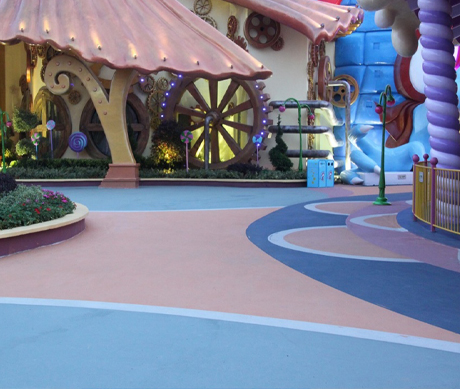
Modern colored pavement technologies are also designed for long-term durability. Materials such as MMA resin coatings, water-based SP systems, and colored micro-surfacing offer excellent resistance to wear, UV exposure, and heavy traffic loads. Their durability helps reduce maintenance costs and extends pavement service life.
Beyond safety, colored road surfaces contribute to more attractive and organized urban spaces. They help create modern city environments that are both functional and visually appealing.
As cities continue to invest in safer and smarter transportation systems, the combination of safety and color in road surfaces is becoming an essential part of future urban road design.