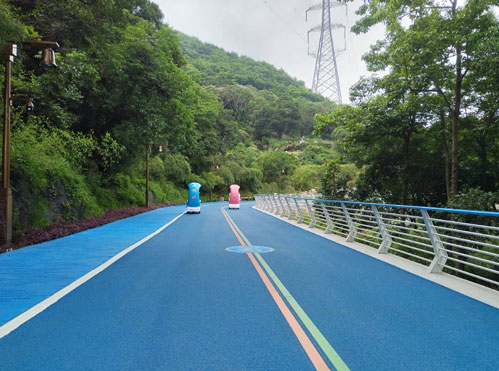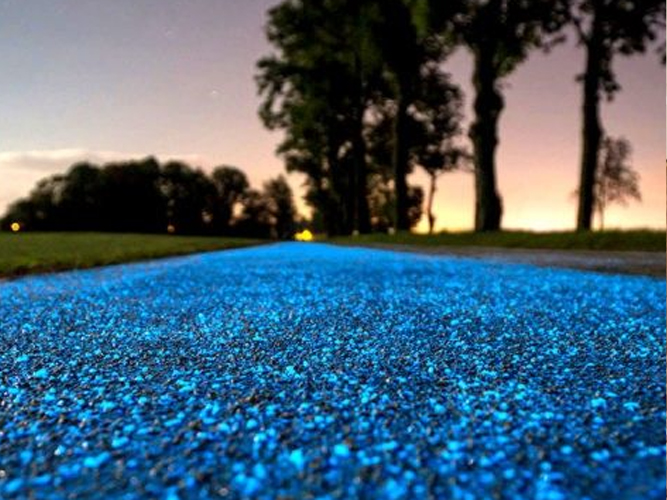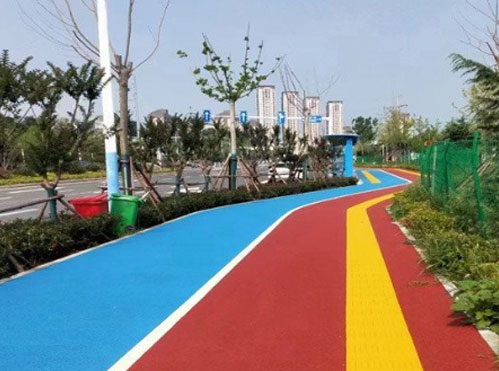
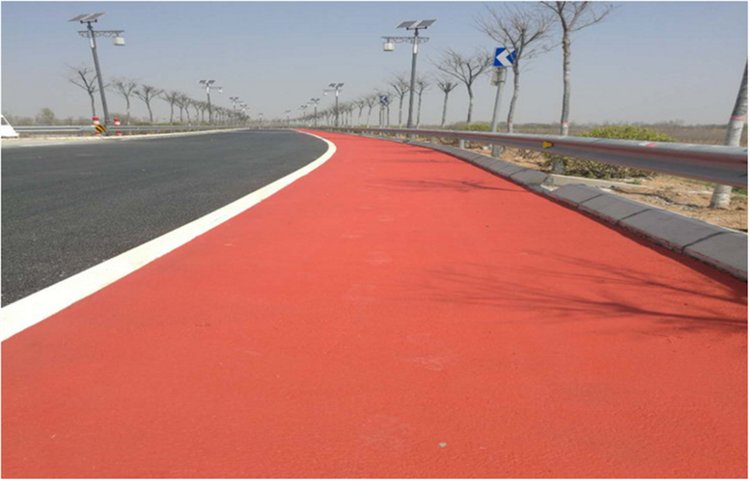
Cost-effective SP (StreetPrint / polymer-modified colored pavement systems) colored pavement solutions are designed to deliver durable, visually distinctive, and skid-resistant surfaces while keeping material and lifecycle costs under control. These systems are widely used in urban streets, bike lanes, crosswalks, plazas, and traffic-calming zones.
“SP” in colored pavement systems commonly refers to StreetPrint-style or spray-applied polymer colored surfacing systems, which are thin decorative and functional overlays applied on existing asphalt or concrete.
A typical SP colored pavement system includes:
Polymer-modified emulsions or resins
Colored mineral aggregates or pigments
Anti-skid fillers (often ceramic or silica-based)
UV-stable additives for long-term color retention
These systems form a thin (often 2–5 mm) surface layer that enhances both safety and appearance. (besdecorative.com)
SP systems are thin-layer applications, meaning they require significantly less material compared to full-depth asphalt reconstruction. This reduces raw material and transport costs.
Fast application and curing reduce road closure time. This is especially valuable in cities where traffic delays have high indirect economic costs.
Instead of rebuilding roads, SP coatings are applied over existing surfaces, extending pavement life and delaying expensive reconstruction cycles.
Chip seal and surface treatment research shows that such methods can reduce life-cycle pavement costs significantly while maintaining performance. (Slender Paving Inc)
Anti-skid aggregates improve friction, reducing accidents and lowering liability and maintenance costs over time.
Modern polymer-modified systems resist aging, cracking, and color fading, reducing maintenance frequency.
SP colored pavements provide both:
Functional safety (anti-slip, traffic guidance)
Visual zoning (bike lanes, crosswalks, pedestrian areas)
This dual function increases infrastructure efficiency without additional systems.
SP colored pavement systems are widely used in:
Bicycle lanes and protected cycling corridors
Pedestrian crossings and school zones
Urban traffic-calming streets
Parking lots and public plazas
Transit stations and bus lanes
Community and campus walkways
These areas benefit most from improved safety at relatively low upgrade cost.
To optimize cost efficiency, project planners typically consider:
Substrate condition (new vs. existing pavement)
Aggregate and pigment quality
Traffic load level (light vs. heavy duty)
Thickness of application
Climate and UV exposure requirements
Project scale (larger projects reduce unit cost)
A major cost-saving factor is using existing pavement as the base layer instead of full reconstruction.
Cost-effective SP colored pavement solutions achieve a balance between safety performance, visual functionality, and lifecycle economy. By using thin polymer-modified layers over existing roads, cities and developers can significantly reduce construction costs while improving skid resistance, durability, and urban design quality.
As smart cities continue to expand, SP colored pavement systems are increasingly seen as a practical and economical solution for modern transportation infrastructure.