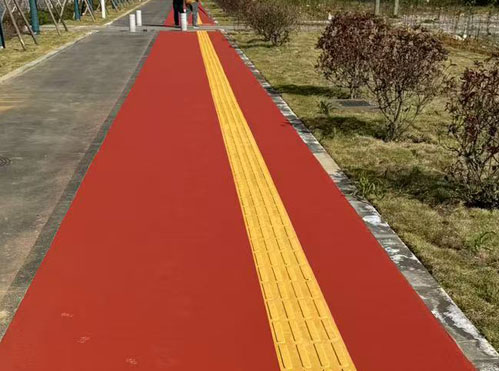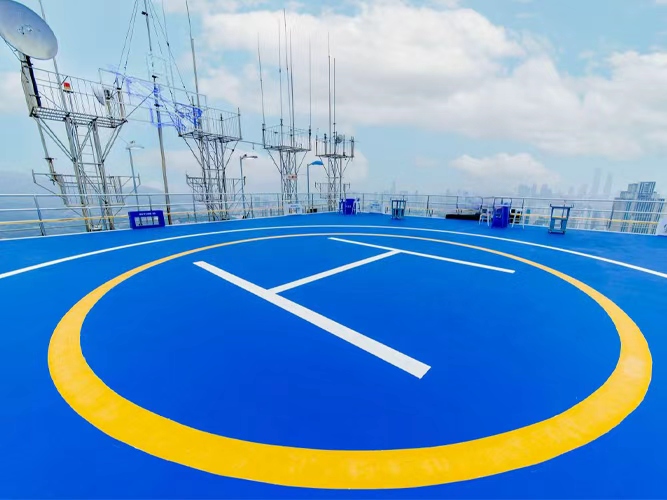
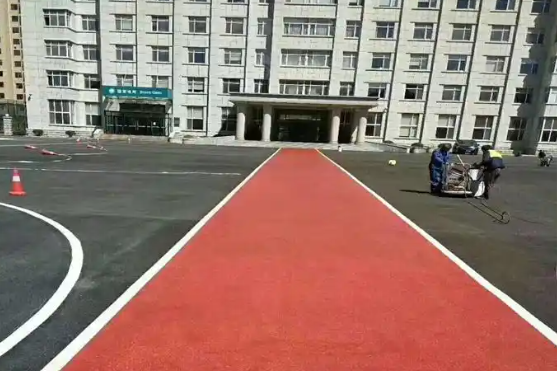
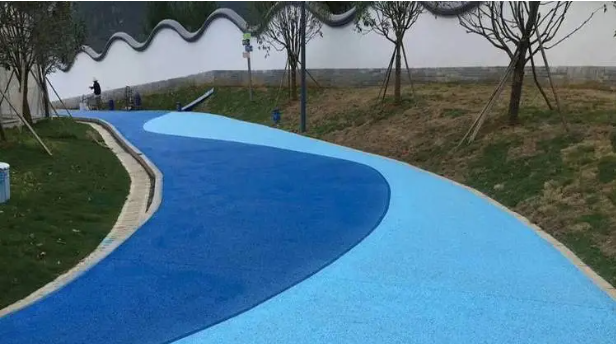
Water-based SP pavement is an eco-friendly, high-performance colored anti-slip surfacing system designed specifically for bicycle lanes, pedestrian crossings, and urban safety zones. It combines water-based polymer binders with colored aggregates and anti-skid materials to create a durable, visible, and slip-resistant road surface.
This system is widely used in modern cities to improve non-motorized transport safety, enhance traffic visibility, and support sustainable urban infrastructure development.
Water-based SP pavement is a surface coating technology that uses a water-emulsified polymer system (SP-type binder) combined with pigments and high-friction aggregates. It is applied as a thin layer over asphalt or concrete pavements to improve both functional performance and visual guidance.
Unlike solvent-based systems, water-based SP pavement produces low VOC emissions, making it more environmentally friendly and suitable for urban public spaces.
Water-based SP pavement works by forming a strong bonded surface layer after water evaporation and polymer curing. The system locks colored anti-slip aggregates into place, creating a textured surface with high friction.
It improves road performance in two key ways:
The first is anti-slip performance. The textured surface increases tire and foot friction, reducing the risk of slipping in wet or high-traffic conditions.
The second is visual guidance. Bright colored pigments help clearly define bicycle lanes, pedestrian crossings, and other functional zones, improving traffic organization and safety awareness.
Water-based SP pavement offers excellent environmental performance due to its low-emission, water-based formulation. It reduces construction pollution and supports green infrastructure goals.
It provides strong skid resistance through the use of high-friction aggregates such as quartz sand or ceramic particles, ensuring safety for cyclists and pedestrians.
It has good color stability and can maintain bright visual effects such as green bicycle lanes or red crosswalks under UV exposure and traffic wear.
The system also supports fast application and quick reopening to traffic, minimizing disruption in busy urban areas.
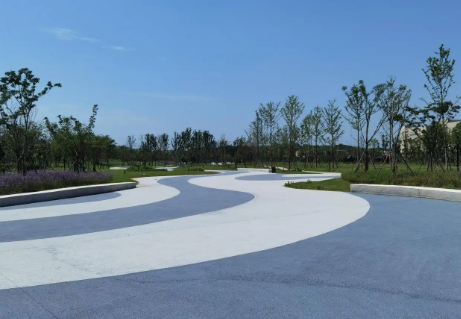
Water-based SP pavement is especially suitable for bicycle lanes because it improves surface grip and clearly separates cycling zones from motor vehicle traffic. This reduces accident risks and enhances cycling comfort.
In pedestrian crosswalks, the system increases visibility and slip resistance, helping pedestrians safely cross intersections even in rainy conditions.
It is also commonly used in school zones, park walkways, bus stops, and urban intersections where safety and visual clarity are critical.
Compared with standard asphalt markings or painted coatings, water-based SP pavement offers significantly higher durability and skid resistance. It is less prone to fading, peeling, or wear under traffic stress.
It also provides better environmental performance due to its water-based formulation, which reduces harmful emissions during construction.
In addition, its textured surface design improves both wet-weather safety and long-term pavement performance.
Water-based SP pavement is evolving toward higher durability, improved polymer technology, and enhanced color retention. Future systems are expected to provide stronger bonding performance, longer service life, and even lower environmental impact.
With the growing emphasis on sustainable transportation and smart cities, water-based SP pavement will continue to play an important role in bicycle infrastructure and pedestrian safety systems.