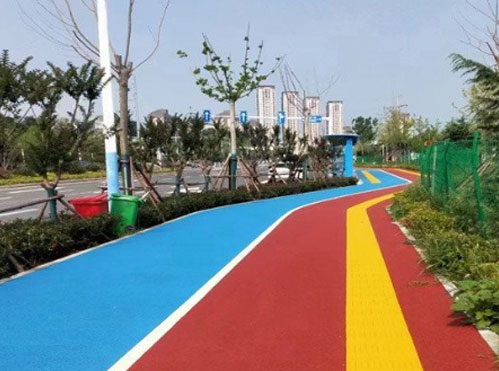
As modern cities continue to improve barrier-free infrastructure, tactile paving systems have become an essential part of urban pedestrian safety. Cast-in-place diamond tactile paving is widely used in sidewalks, subway stations, public squares, schools, hospitals, and transportation hubs to provide safe and effective guidance for visually impaired pedestrians.
Compared with traditional prefabricated tactile tiles, cast-in-place tactile paving offers better durability, stronger bonding performance, and longer service life, making it an ideal solution for modern municipal engineering projects.
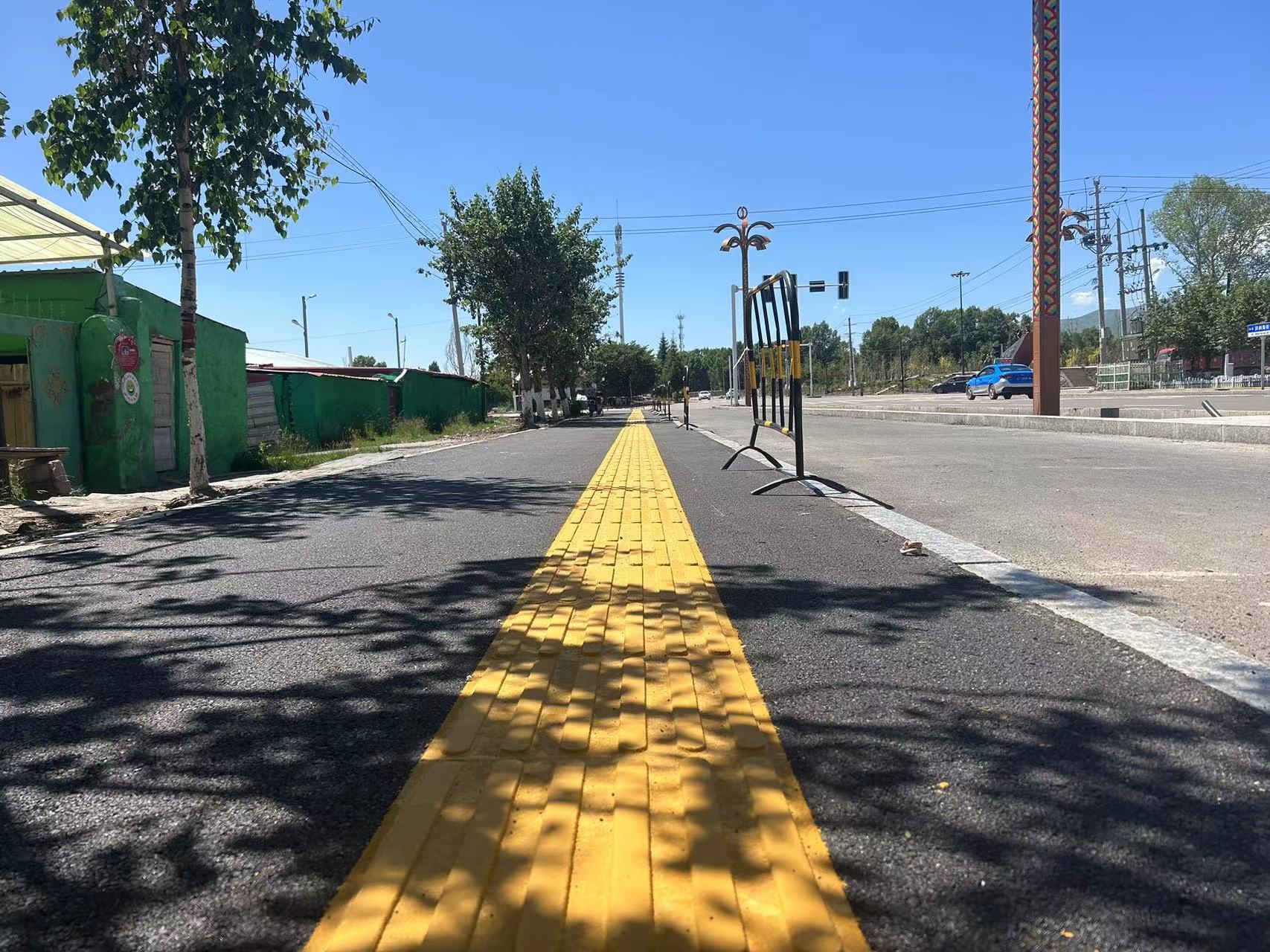
Cast-in-place diamond tactile paving is a specially designed tactile guidance system installed directly on concrete or asphalt surfaces through on-site paving construction. The surface usually features raised diamond-shaped patterns that provide clear tactile feedback and anti-slip performance.
This paving system helps visually impaired pedestrians detect directional paths, warning zones, and crossing areas safely and efficiently.
The cast-in-place construction method creates strong adhesion between the tactile surface and the pavement base, reducing the risk of cracking, detachment, or movement under heavy traffic conditions.
The diamond-textured surface provides reliable skid resistance in both dry and wet weather conditions, improving pedestrian safety.
The material offers excellent resistance to UV exposure, rain, temperature changes, and abrasion, ensuring long-term outdoor performance.
Unlike prefabricated tactile tiles, cast-in-place paving forms a continuous and integrated surface without visible gaps or loose edges.
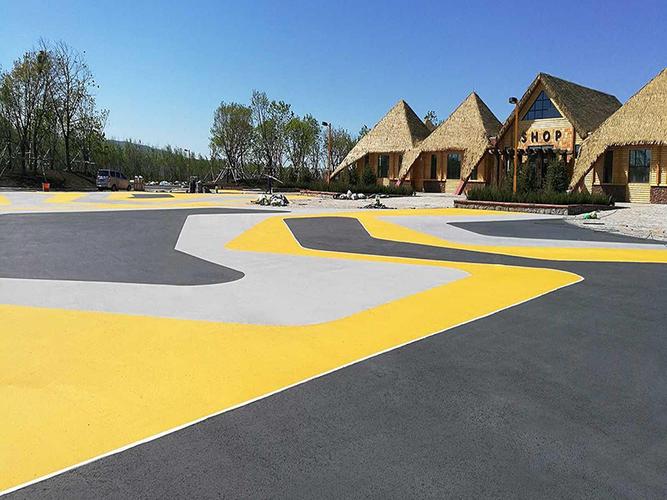
Common colors include yellow, red, green, gray, and customized municipal colors to meet different urban design requirements.
Cast-in-place diamond tactile paving is suitable for various public infrastructure projects, including:
Urban sidewalks
Pedestrian crossings
Subway and railway stations
Bus stops
Public parks
Schools and hospitals
Commercial plazas
Barrier-free access ramps
The typical installation process includes:
Surface cleaning and preparation
Primer application
Mold positioning
Material mixing and on-site pouring
Pattern forming and surface finishing
Curing and quality inspection
Professional construction ensures consistent thickness, accurate patterns, and long-lasting performance.
| Feature | Cast-in-Place Tactile Paving | Traditional Tactile Tiles |
|---|---|---|
| Bonding Strength | Excellent | Moderate |
| Service Life | Long | Relatively Short |
| Slip Resistance | High | Medium |
| Seamless Surface | Yes | No |
| Maintenance Cost | Low | Higher |
| Installation Flexibility | Strong | Limited |
With increasing global demand for accessible urban environments, municipalities and contractors are seeking more reliable tactile paving solutions. Cast-in-place diamond tactile paving combines safety, durability, aesthetics, and low maintenance costs, making it a preferred choice for smart city and public infrastructure projects.
Cast-in-place diamond tactile paving plays an important role in creating safer and more accessible urban spaces. Its durable structure, anti-slip properties, and long-term performance make it an effective solution for modern pedestrian infrastructure.
As cities continue to focus on inclusive and sustainable development, high-quality tactile paving systems will remain an essential component of urban accessibility projects.