Ceramic particle road surface technology is an advanced pavement system designed to improve skid resistance, road durability, and traffic visibility. By using high-strength colored ceramic particles combined with specialized resin binders, this surface treatment creates a highly durable and anti-slip pavement layer suitable for demanding traffic environments.
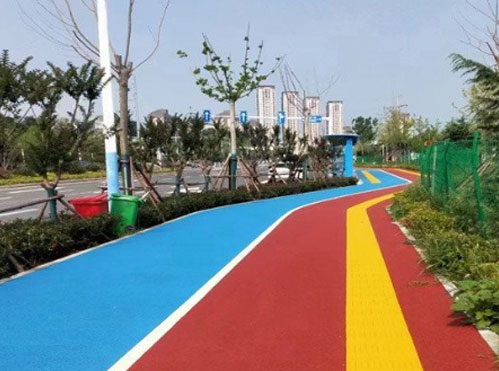
Ceramic particle road surfaces are widely used in bicycle lanes, intersections, pedestrian crossings, highway ramps, bridges, tunnels, and other high-risk traffic areas where enhanced friction and long-term performance are essential.
A ceramic particle road surface is a high-friction pavement system that uses calcined ceramic aggregates bonded to asphalt or concrete surfaces with resin materials such as MMA, epoxy, or polyurethane binders.
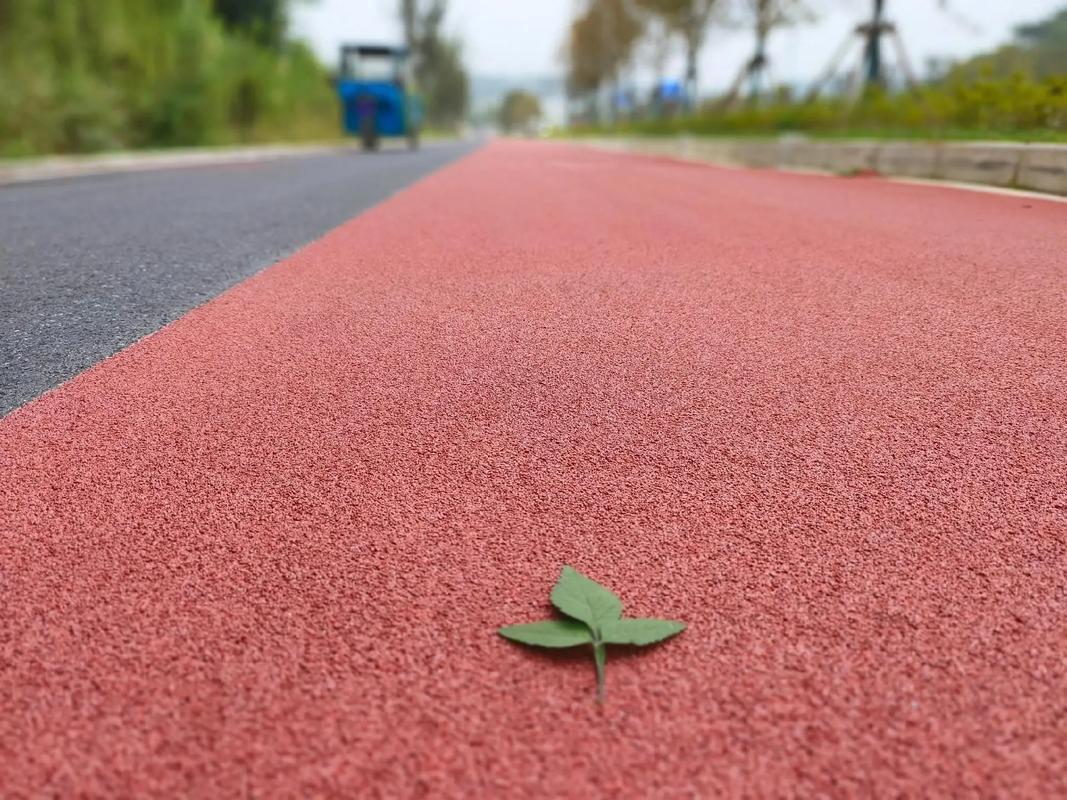
The ceramic particles are manufactured under high temperatures, giving them exceptional hardness, wear resistance, and stable color performance. These particles create a textured pavement surface that improves tire grip and increases traffic safety.
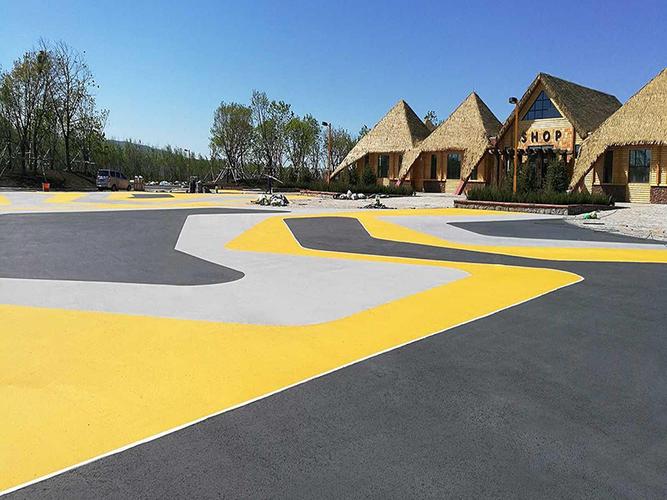
Unlike ordinary asphalt surfaces, ceramic particle systems provide both functional anti-skid performance and decorative visual effects.
The system works by creating a rough and durable surface texture that increases friction between vehicle tires and the pavement. The ceramic particles protrude slightly from the surface, improving traction during braking, turning, and wet weather conditions.
At the same time, the bright colored surface improves road visibility and helps drivers quickly recognize traffic zones and warning areas.
The resin binder firmly locks the ceramic particles onto the pavement, creating a long-lasting and weather-resistant surface structure.
Ceramic particles provide high friction performance, significantly reducing the risk of vehicle skidding and improving braking control on dangerous road sections.
Because ceramic aggregates are extremely hard and durable, the surface can withstand heavy traffic loads and long-term abrasion without losing texture performance.
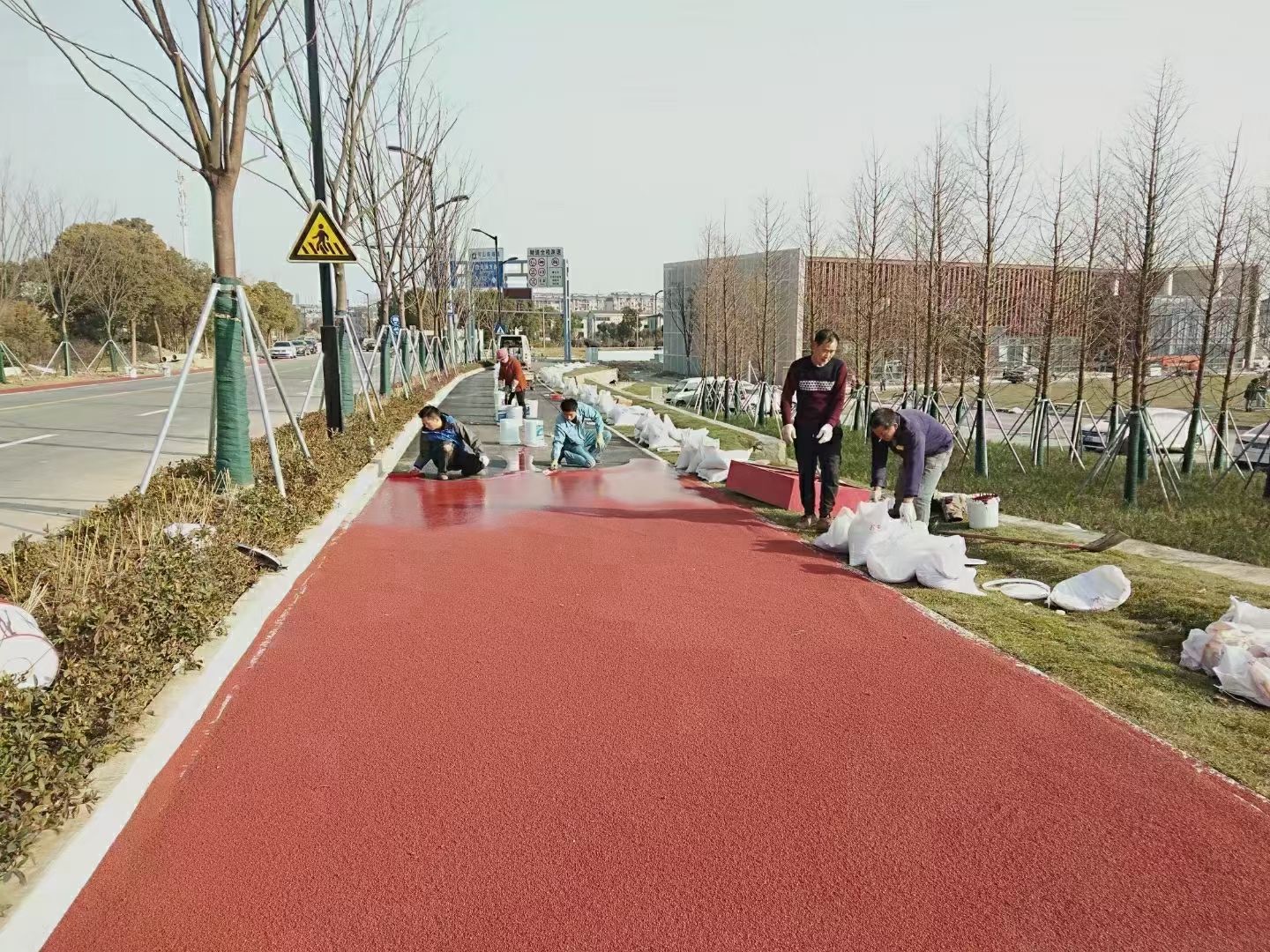
Colored ceramic particles maintain bright and stable colors even under strong sunlight, heavy traffic, and harsh weather conditions.
Bright pavement colors improve driver awareness and help separate different traffic functions such as bicycle lanes, bus lanes, and pedestrian crossings.
Ceramic particle road surfaces offer excellent resistance to water, UV radiation, oil contamination, and temperature changes.
Typical ceramic particle road surface systems include:
Colored ceramic particles
MMA resin binders
Epoxy or polyurethane adhesives
Anti-slip aggregates
Protective sealing layers
These materials create a durable, high-friction, and visually attractive pavement surface.
Ceramic particle systems are widely used in transportation and municipal engineering projects, including:
Bicycle lanes
Pedestrian crossings
Highway ramps and curves
Bus rapid transit lanes
Parking garage ramps
Bridges and tunnels
School safety zones
Industrial traffic areas
Decorative urban roads
The system is especially suitable for areas requiring maximum skid resistance and strong visual guidance.
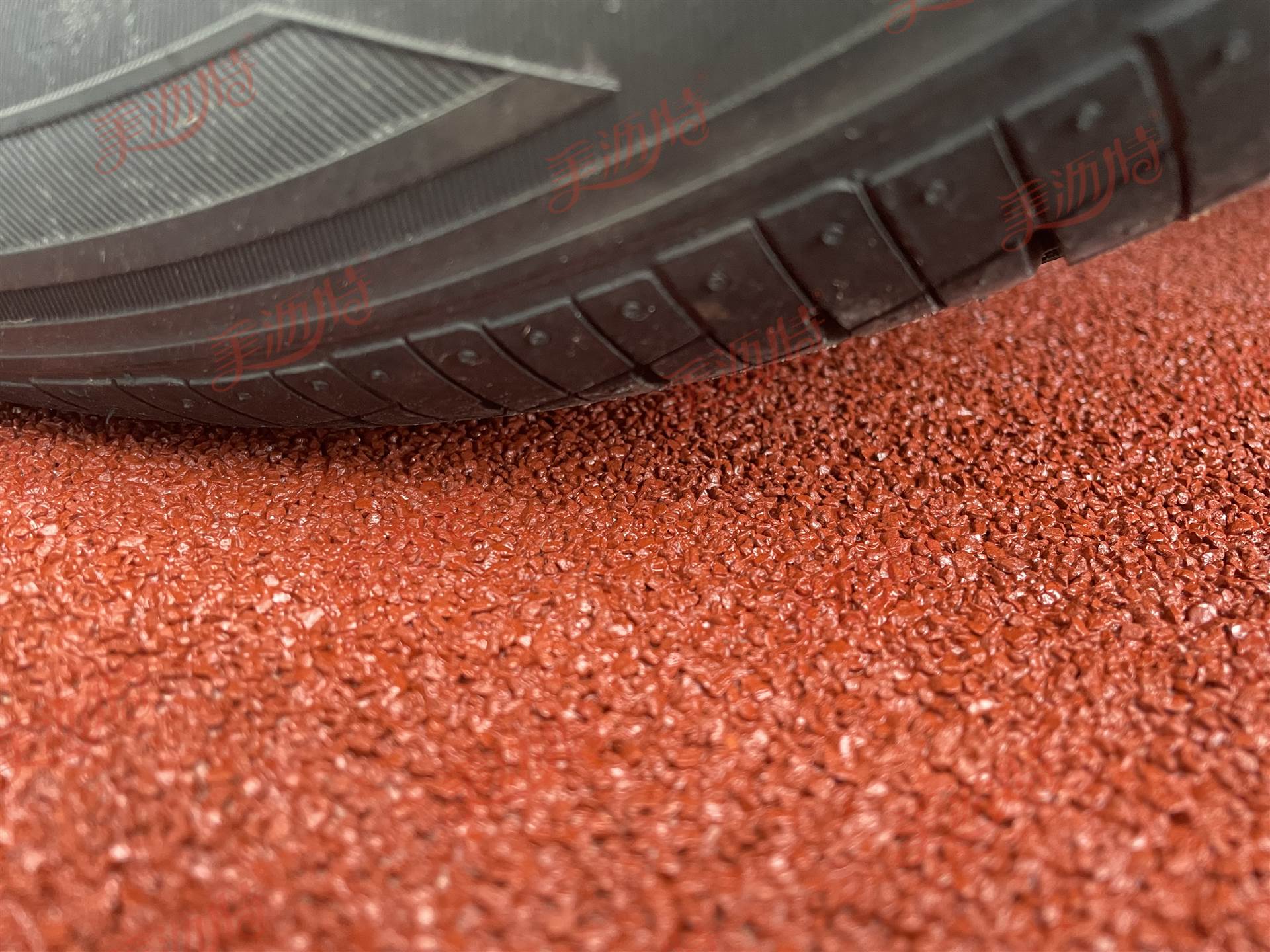
Compared with conventional asphalt or painted road markings, ceramic particle road surfaces provide several important advantages:
Higher friction performance
Better durability
Longer service life
Stronger color retention
Improved traffic safety
Enhanced decorative appearance
Lower long-term maintenance costs
These advantages make ceramic particle surfacing a preferred solution for modern road safety projects.
As cities continue to invest in safer and more sustainable transportation infrastructure, ceramic particle road surface technology is evolving rapidly. Improved resin materials, environmentally friendly binders, and advanced aggregate manufacturing processes are helping create longer-lasting and more energy-efficient pavement systems.
In the future, ceramic particle road surfaces will continue to play an important role in smart transportation systems, urban safety improvement, and modern road engineering applications.