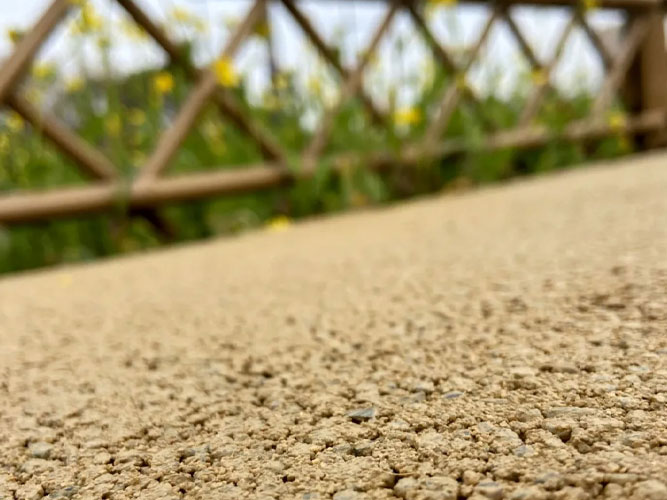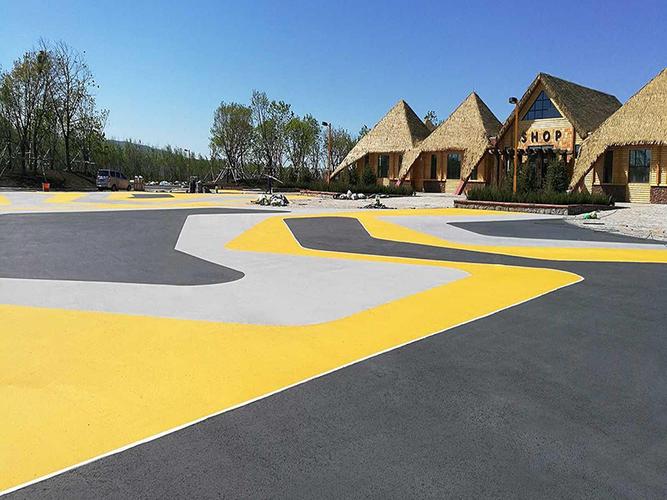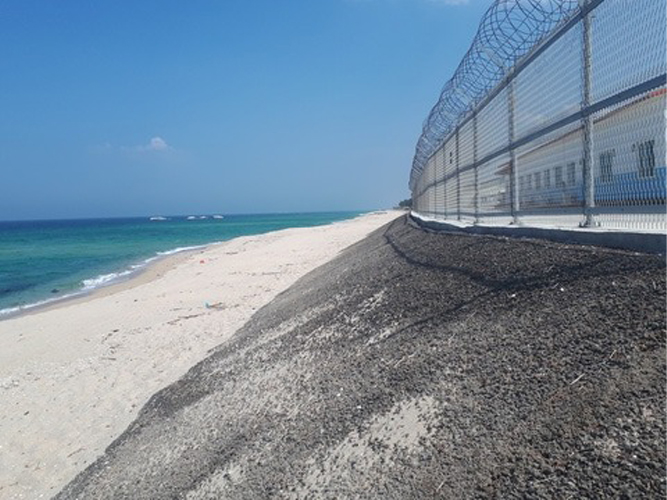
Road safety is a critical concern for transportation authorities, contractors, and infrastructure developers. One of the most effective ways to improve pavement safety is by applying anti-skid coating materials to asphalt and concrete surfaces. These specialized coatings enhance traction, reduce the risk of accidents, and extend pavement service life. With various technologies available today, selecting the right anti-skid coating material depends on traffic conditions, project requirements, and long-term performance expectations.
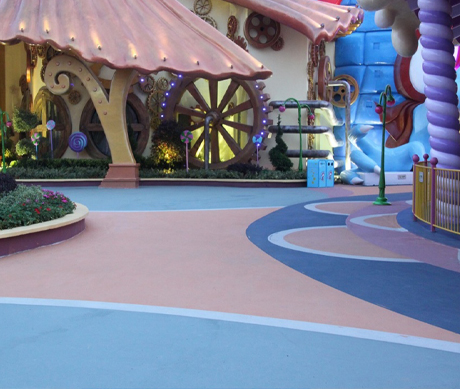
Methyl Methacrylate (MMA) resin systems are among the most popular anti-skid pavement solutions. Known for their rapid curing speed and exceptional durability, MMA coatings provide strong adhesion to both asphalt and concrete surfaces. They can be combined with colored aggregates to create highly visible traffic lanes, pedestrian crossings, and bicycle paths. Their excellent weather resistance and long service life make them ideal for high-traffic areas.
Ceramic aggregate coatings are widely recognized for their superior skid resistance and durability. These systems use high-strength resin binders combined with engineered ceramic particles that provide exceptional grip under both dry and wet conditions. Ceramic aggregates maintain their texture and color over time, making them suitable for intersections, sharp curves, ramps, bridges, and other high-risk traffic zones.
Water-based anti-skid coatings offer an environmentally friendly solution for modern infrastructure projects. These systems contain low VOC emissions and are easy to apply. In addition to improving traction, they provide vibrant colors that help define bicycle lanes, pedestrian walkways, parking areas, and traffic management zones. Water-based coatings are increasingly used in sustainable urban development projects.
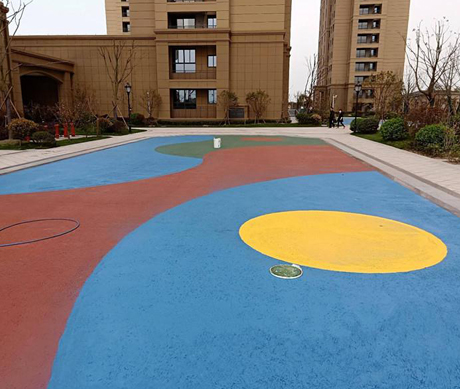
Colored polymer slurry systems combine polymer-modified binders with mineral aggregates to create durable and skid-resistant pavement surfaces. These materials are commonly used for urban roads, residential communities, parks, and commercial developments. They provide excellent wear resistance, attractive appearance, and cost-effective pavement enhancement.
High friction surface treatments are specifically engineered for locations with elevated accident risks. These systems typically use high-performance resin binders and premium aggregates to maximize tire grip. They are frequently installed on steep grades, highway exits, roundabouts, and accident-prone intersections where additional braking performance is required.
Epoxy coatings provide strong adhesion, chemical resistance, and long-term durability. When combined with anti-slip aggregates, epoxy systems create reliable skid-resistant surfaces for industrial roads, parking structures, loading zones, and concrete pavements. Their durability makes them suitable for heavy-duty applications.
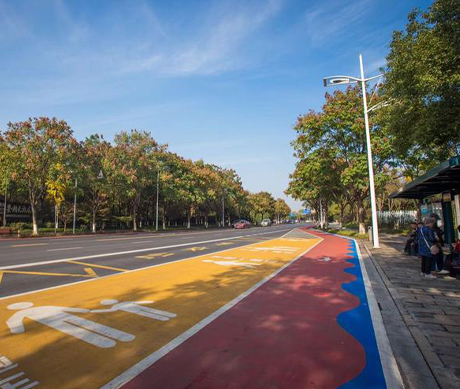
The best anti-skid coating depends on several factors, including traffic volume, climate conditions, surface type, and project budget. For maximum durability and high-performance traffic safety, MMA resin systems and ceramic aggregate surfacing are often preferred. For environmentally conscious projects, water-based colored pavement coatings offer an excellent balance of performance and sustainability.
As road safety requirements continue to increase worldwide, anti-skid coating materials remain an essential component of modern pavement engineering. By selecting the right system, contractors and infrastructure owners can improve safety, enhance visibility, and extend the life of both asphalt and concrete roads.