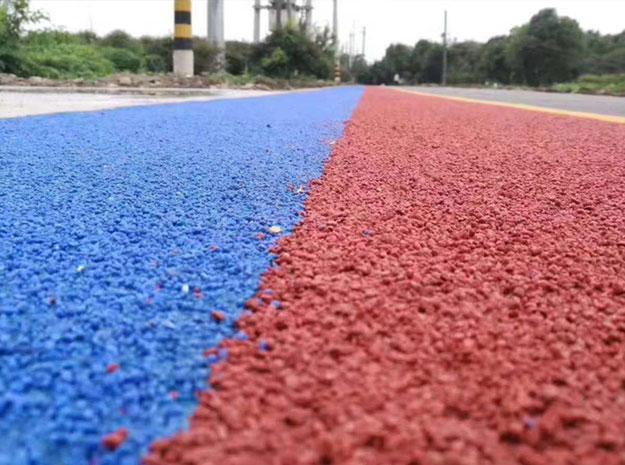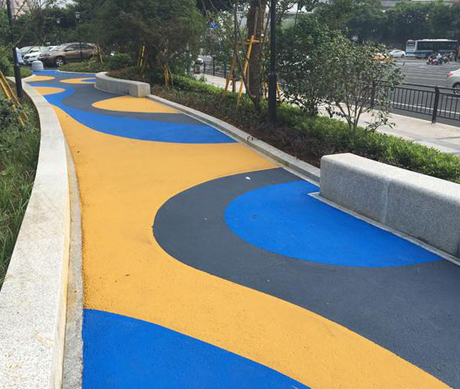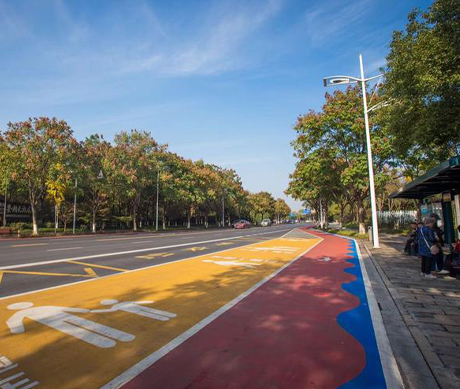
Colored anti-slip pavement is a high-performance surfacing solution designed to improve road safety, visibility, and aesthetics. By combining durable resin binders with high-friction aggregates and vibrant pigments, it creates a skid-resistant surface suitable for roads, bicycle lanes, pedestrian walkways, parking lots, bridges, and public spaces.
One of the main advantages of colored anti-slip pavement is its excellent traction. The textured surface increases friction between tires and pavement, helping reduce braking distances and minimizing the risk of skidding, especially in wet conditions. The bright colors also improve visibility and provide clear traffic guidance, making roads safer for drivers, cyclists, and pedestrians.
|
|
|
Several types of colored anti-slip pavement systems are available, including MMA resin pavement, water-based anti-slip pavement, colored ceramic aggregate pavement, and high-friction surfacing systems. Each option offers unique benefits such as rapid curing, environmental friendliness, superior durability, and long-lasting color retention.
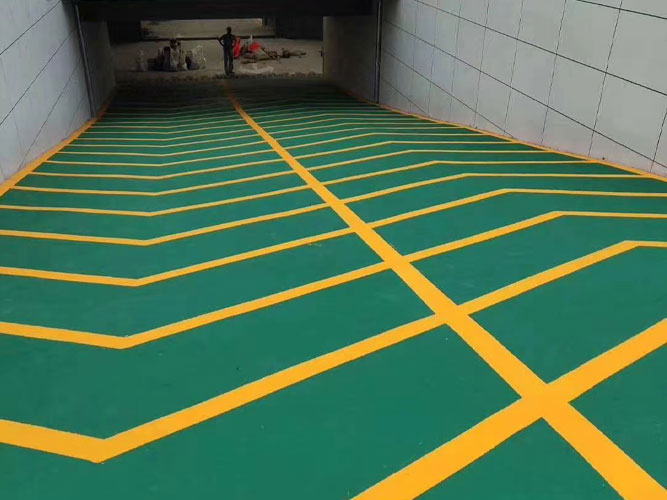
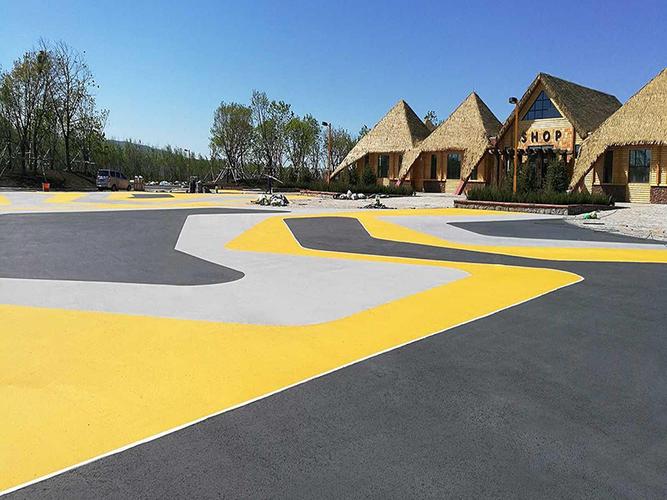
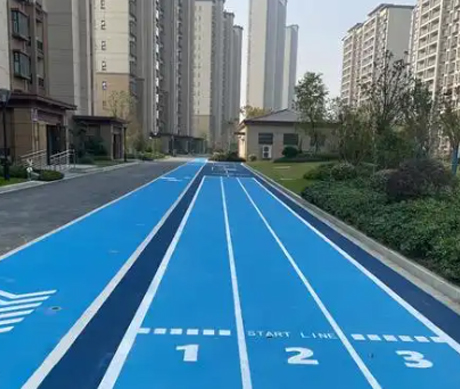
Colored anti-slip pavement is widely used in urban roads, bus lanes, school zones, bicycle paths, pedestrian crossings, underground parking ramps, scenic areas, and commercial developments. Different colors can be used to identify traffic zones and improve road organization. For example, red is commonly used for bus lanes, while green is often used for bicycle lanes.
In addition to improving safety, colored pavement enhances the visual appeal of public infrastructure. It is resistant to wear, UV exposure, and harsh weather conditions, ensuring long-term performance with minimal maintenance.
As cities continue to prioritize road safety and sustainable urban development, colored anti-slip pavement has become a popular choice for modern infrastructure projects. Its combination of safety, durability, and attractive appearance makes it an effective solution for creating safer and more visually appealing transportation networks.