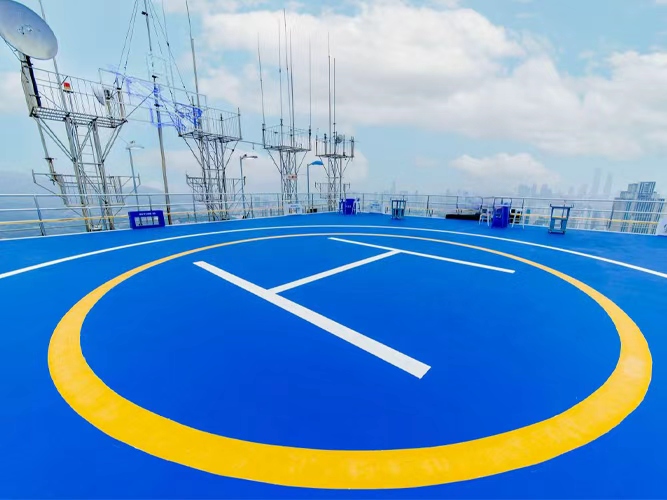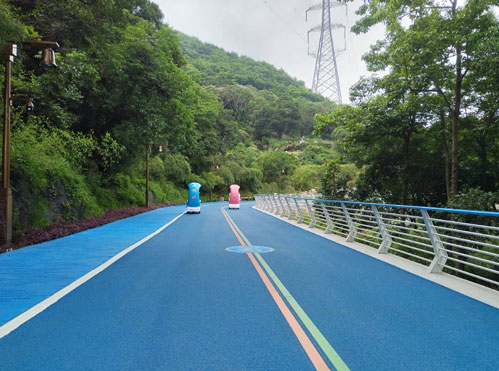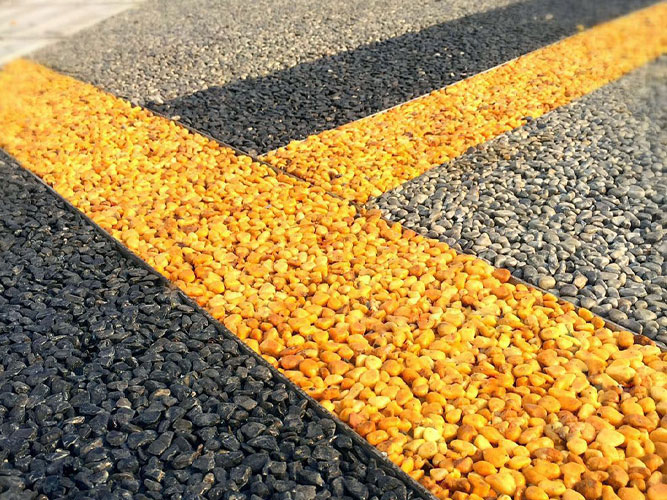

Urban transportation systems require safer, more durable, and visually effective road surfaces to support modern traffic management. High-performance colored pavement solutions have become an important part of smart city infrastructure, helping improve road safety, traffic guidance, and urban aesthetics at the same time.
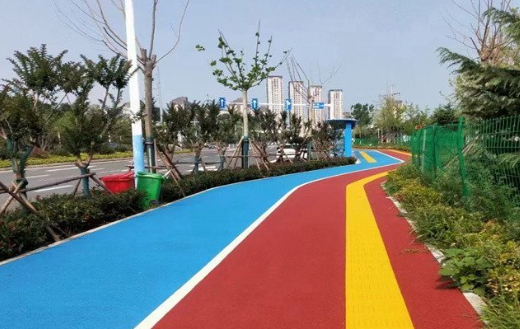
Colored pavement is widely used in bike lanes, pedestrian crossings, bus lanes, intersections, parking areas, and public spaces where clear visual guidance is essential. Compared with traditional asphalt surfaces, colored pavement provides stronger visual recognition and better anti-skid performance, making roads safer for drivers, cyclists, and pedestrians.
Colored pavement is a specialized road surfacing system that combines colored aggregates, resins, pigments, or modified binders to create durable and highly visible pavement layers. Common systems include:
MMA colored pavement
Waterborne SP colored pavement
Colored anti-skid coatings
Colored micro surfacing
High friction surfacing systems
These materials are engineered to provide long-term color stability, skid resistance, weather durability, and strong bonding performance.
Bright and clearly defined road surfaces help drivers quickly identify traffic zones and potential hazards. Colored pavement is especially effective in:
Bicycle lanes
Pedestrian crossings
School zones
Bus rapid transit lanes
Sharp curves and intersections
High-friction aggregates also increase tire grip and reduce braking distance in wet conditions.
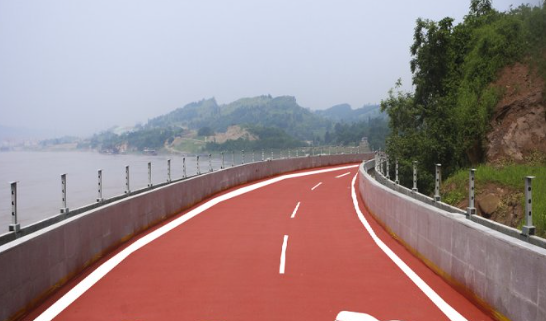
Different pavement colors can be used to separate traffic functions and improve traffic flow efficiency. Red, green, blue, and yellow pavement systems are commonly applied to distinguish specific traffic areas and guide road users more effectively.
Modern anti-skid pavement systems use high-strength ceramic aggregates and resin binders to create textured surfaces with excellent friction performance. This helps reduce vehicle slipping risks and improves pedestrian safety.
High-quality colored pavement materials are designed to withstand:
UV exposure
Heavy traffic loads
Rain and moisture
Temperature fluctuations
Abrasion and wear
Advanced MMA and water-based SP systems also provide fast curing times and long service life.
Many modern colored pavement systems use environmentally friendly materials with low VOC emissions and recyclable aggregates. Water-based pavement technologies are becoming increasingly popular in sustainable urban development projects.
Colored bike lanes improve visibility for cyclists and help separate bicycle traffic from motor vehicles. Green and red pavement systems are widely used in urban cycling infrastructure.
Colored anti-slip pavement enhances pedestrian visibility and increases safety in high-footfall areas such as schools, shopping districts, and public transportation hubs.
High-friction colored surfacing helps define dedicated bus lanes while improving skid resistance for heavy vehicles.
Decorative colored pavement creates visually attractive public spaces while maintaining functional durability and safety performance.
MMA resin systems provide rapid curing, excellent adhesion, and outstanding wear resistance. They are suitable for heavy traffic areas and locations requiring quick reopening.
Water-based SP colored pavement systems offer environmentally friendly performance with low emissions and durable anti-skid properties.
Micro surfacing technology is a cost-effective solution for road maintenance and surface rehabilitation while improving pavement appearance and friction.
As cities continue to invest in smart transportation and sustainable infrastructure, the demand for advanced colored pavement systems is expected to grow rapidly. Future developments will focus on:
Eco-friendly pavement materials
Longer-lasting color stability
Improved skid resistance
Smart traffic guidance systems
Low-maintenance pavement technologies
High-performance colored pavement solutions are becoming an essential component of modern urban road engineering, combining safety, durability, and visual functionality for next-generation transportation networks.