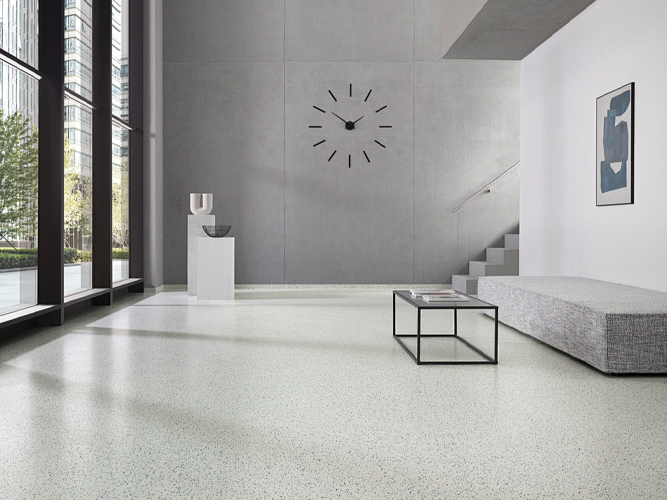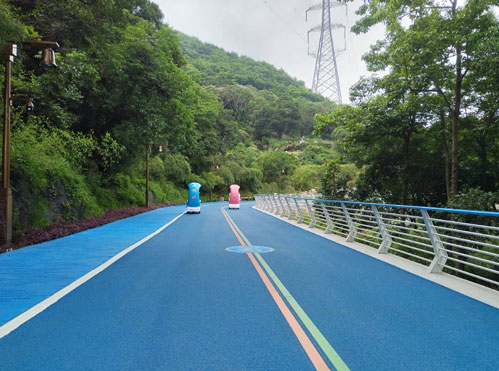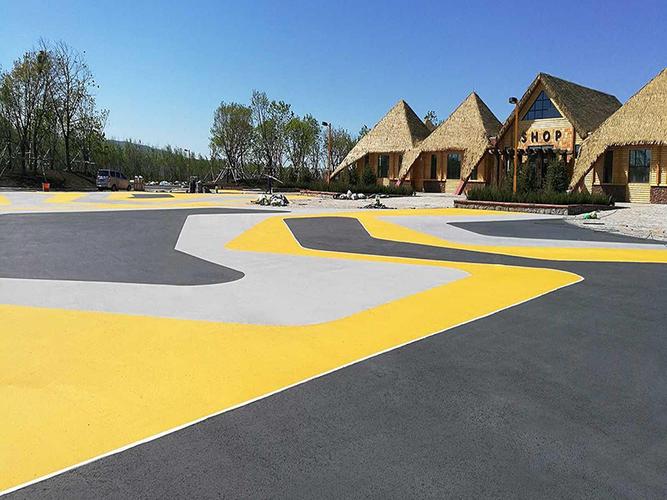
Colored concrete pavement is a popular choice for roads, sidewalks, plazas, bike lanes, parking areas, and public spaces. By adding pigments to concrete or applying colored surface treatments, contractors can create durable pavements that combine functionality with visual appeal. Before choosing colored concrete pavement, it is important to understand both its advantages and limitations.
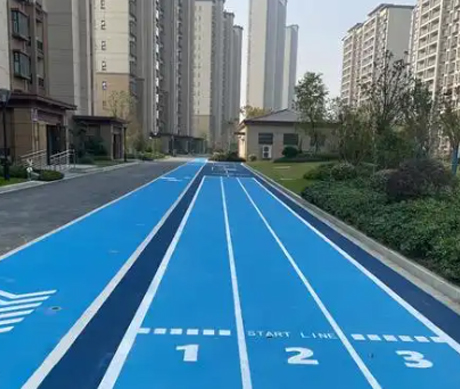
Colored concrete can significantly improve the appearance of urban and commercial environments. It offers a wide range of colors that can complement architectural designs, landscapes, and public infrastructure projects.
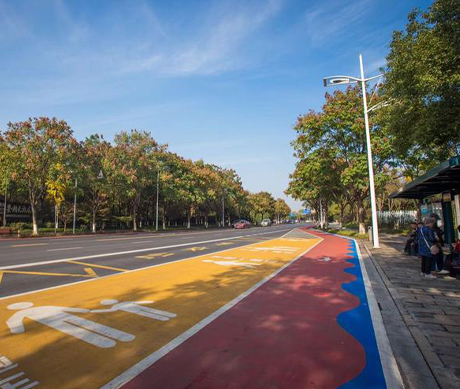
Different colors can be used to distinguish bike lanes, pedestrian crossings, bus lanes, and restricted traffic zones. This helps improve traffic organization and increases safety for both drivers and pedestrians.
Concrete pavement is known for its durability and resistance to heavy loads. When quality pigments are used, the color can remain visible for many years with proper maintenance.
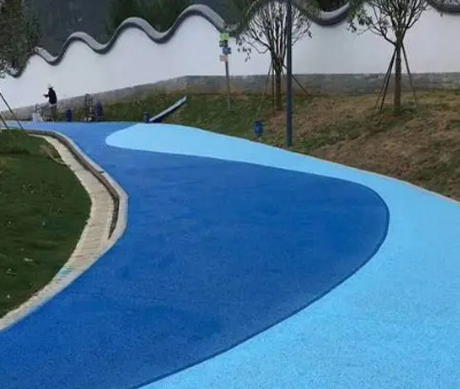
High-quality inorganic pigments are resistant to ultraviolet radiation, allowing colored concrete to maintain its appearance under long-term sun exposure. It also performs well in various weather conditions.
Compared with some painted surface treatments, integrally colored concrete does not easily peel or wear away because the color is distributed throughout the concrete structure.
Colored concrete can be combined with decorative finishes, textures, patterns, and stamping techniques to create unique and attractive pavement designs.
Colored concrete typically costs more than standard gray concrete due to pigment materials, specialized production processes, and additional quality control requirements.
Differences in mixing, curing conditions, moisture content, and construction techniques may lead to slight color variations between pavement sections if not properly controlled.
When repairs are needed, matching the original color can be difficult. New concrete patches may appear different from older pavement because of weathering and aging effects.
Some colored concrete systems require careful mixing, curing, and finishing procedures to achieve uniform color and appearance, which can increase construction time.
Like traditional concrete, colored surfaces may be affected by oil, chemicals, dirt, or environmental contaminants if not properly sealed and maintained.
For projects where aesthetics, safety, and long-term durability are priorities, colored concrete pavement can provide excellent value. It is particularly effective in public spaces, bicycle infrastructure, pedestrian zones, commercial developments, and decorative landscape projects. Although the initial investment may be higher than standard concrete, the combination of durability, visibility, and attractive appearance often makes colored concrete a worthwhile long-term solution for modern infrastructure projects.