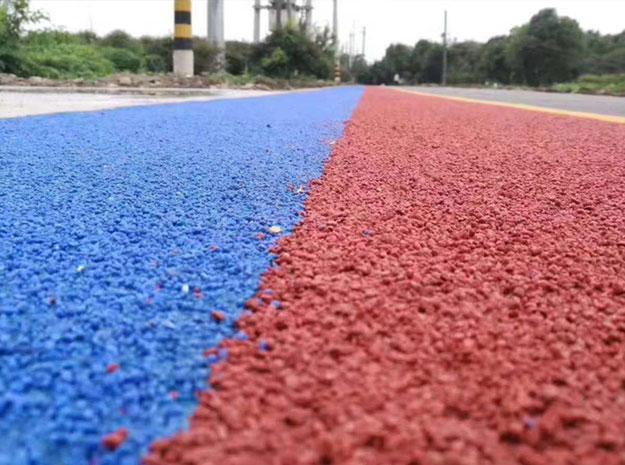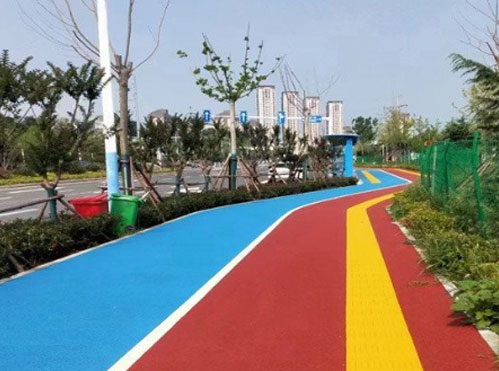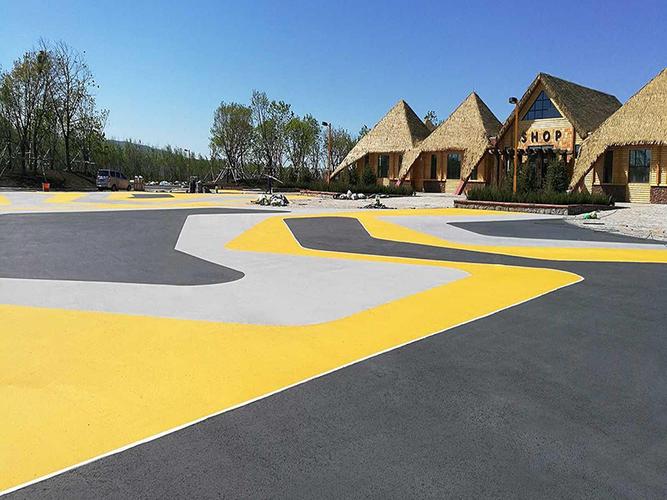
Road safety depends not only on traffic rules and driver behavior, but also on the quality and design of the road surface itself. In recent years, colored pavement materials have become an increasingly important part of modern traffic safety engineering. By combining visual guidance with enhanced surface friction, these materials help create safer and more organized road environments.
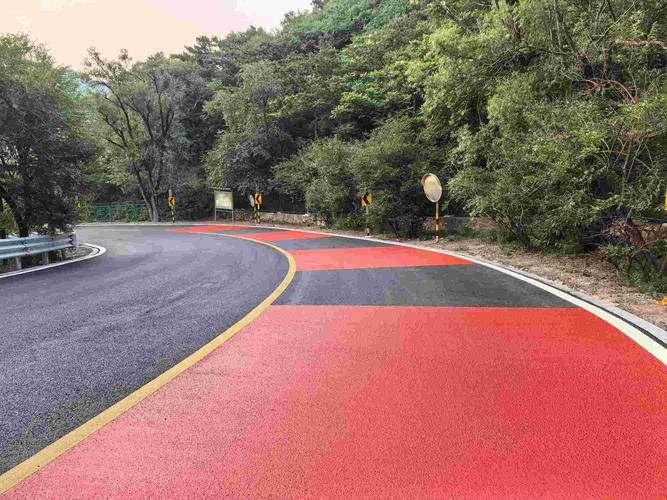
Colored pavement materials are specially designed surfacing systems that incorporate durable binders, high-strength aggregates, and UV-stable pigments. Unlike traditional road paint, these systems form a bonded surface layer that integrates with asphalt or concrete, delivering both structural strength and long-term performance.
One of the most important safety benefits of colored pavement materials is improved visibility. Bright and clearly defined colors help drivers and pedestrians quickly identify road functions such as lanes, crossings, intersections, and hazard zones. This visual clarity reduces confusion, especially in complex urban traffic environments where multiple road users interact simultaneously.
In addition to visibility, modern colored pavement materials significantly improve skid resistance. The textured surface created by high-friction aggregates enhances tire grip, reducing the risk of skidding during braking, turning, or wet weather conditions. This makes them especially effective in high-risk areas such as slopes, roundabouts, bus stops, and pedestrian crossings.
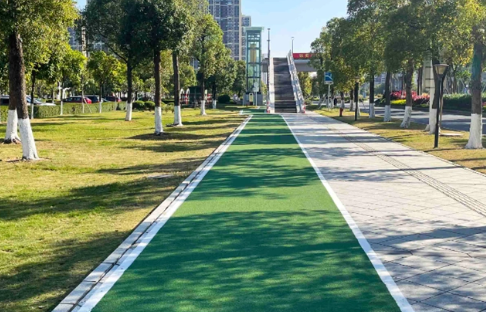
Different colors can also be used to organize traffic more effectively. For example, specific colors may designate bicycle lanes, pedestrian walkways, bus lanes, parking zones, or restricted access areas. This structured approach to road design helps guide traffic flow and reduces the likelihood of accidents caused by lane confusion or improper road usage.
Durability is another key advantage of modern colored pavement systems. These materials are designed to resist wear from heavy traffic, UV exposure, and environmental stress. As a result, both color brightness and surface texture can be maintained over long periods, reducing the need for frequent maintenance or repainting.
Colored pavement materials can also be applied to existing roads, making them a cost-effective solution for safety upgrades. Instead of full road reconstruction, cities and contractors can enhance specific high-risk zones, improving safety performance with minimal disruption to traffic.
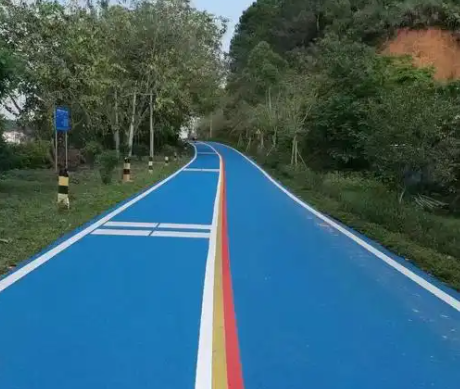
From a broader perspective, colored pavement systems contribute to smarter and more human-centered road design. They not only improve functional safety but also enhance the overall visual environment of streets, making urban areas more structured, readable, and user-friendly for all road users.
As transportation systems continue to evolve, colored pavement materials are playing an increasingly important role in road safety strategies. By combining friction performance, durability, and visual communication, they provide a practical and efficient solution for reducing accidents and improving traffic management on modern roads.