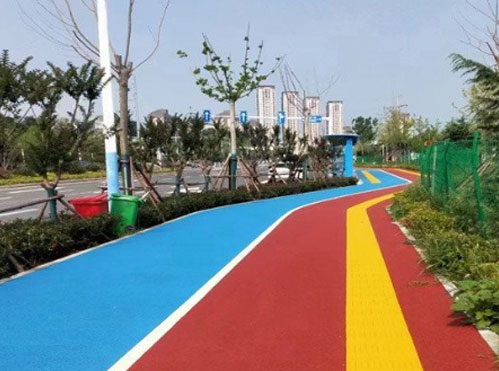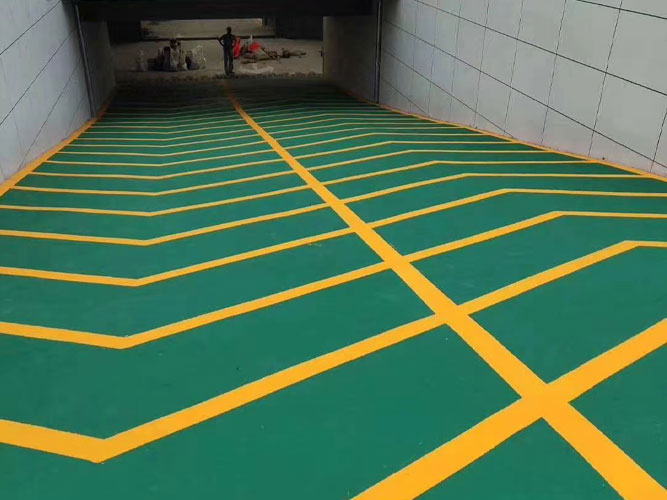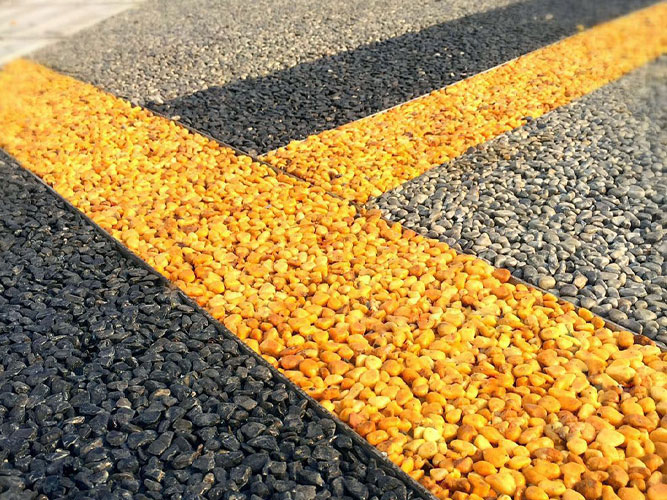
Safety-focused anti-slip surface coatings are specialized protective materials designed to improve traction, reduce slipping hazards, and enhance surface durability in both pedestrian and vehicle traffic areas. These coatings are widely used on roads, parking lots, sidewalks, ramps, industrial floors, bridges, bicycle lanes, and public spaces where safety is a top priority.
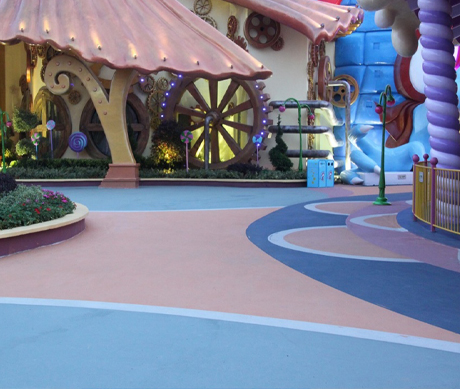
The primary function of anti-slip surface coatings is to increase surface friction and reduce the risk of accidents caused by wet, smooth, or worn pavement. Rain, oil, dust, and heavy traffic can make ordinary surfaces dangerous for vehicles and pedestrians. By creating a textured and high-friction layer, anti-slip coatings provide better grip for tires and footwear, improving overall movement safety and stability.
Modern anti-slip coatings are typically made from durable resin systems combined with high-strength aggregates such as ceramic particles, quartz sand, silica, or emery materials. These aggregates form a rough surface texture that maintains long-term skid resistance even under heavy traffic conditions. Compared with untreated concrete or asphalt surfaces, anti-slip coatings significantly improve braking performance and reduce slipping incidents.
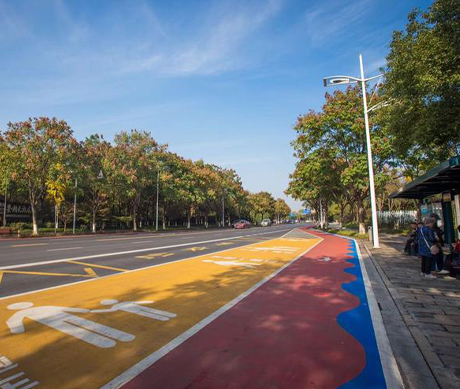
Safety-focused coatings are especially important in high-risk areas such as pedestrian crossings, school zones, parking ramps, bus lanes, loading docks, and industrial facilities. In transportation infrastructure, high-friction coatings help vehicles maintain control during sudden braking or sharp turns. In pedestrian environments, textured surfaces reduce fall risks and improve walking confidence, particularly during rainy weather.
Colored anti-slip coatings also enhance visibility and traffic management. Bright colors such as red, green, yellow, and blue can identify bicycle lanes, emergency areas, pedestrian pathways, or hazardous zones. Clear visual guidance helps improve driver awareness and encourages safer traffic behavior.
Another major advantage of modern anti-slip coatings is their durability and low maintenance requirements. Advanced materials such as MMA, epoxy, and polyurethane systems offer strong resistance to abrasion, UV exposure, chemicals, and harsh weather conditions. Many water-based products are also environmentally friendly and produce lower emissions during installation.
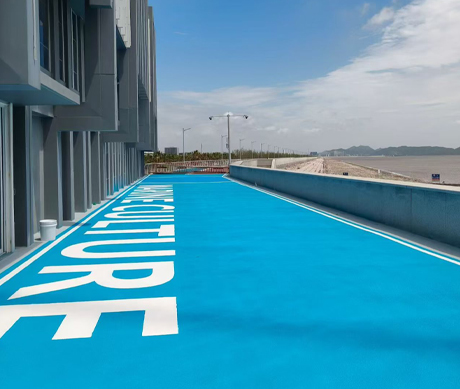
Fast curing technology allows roads and facilities to reopen quickly after application, minimizing downtime and traffic disruption. This makes anti-slip coatings practical for busy commercial and municipal projects.
As safety standards continue to increase in modern infrastructure development, safety-focused anti-slip surface coatings have become an essential solution for creating secure, durable, and visually organized environments. Their combination of traction performance, durability, and visibility makes them highly effective for long-term surface safety applications.