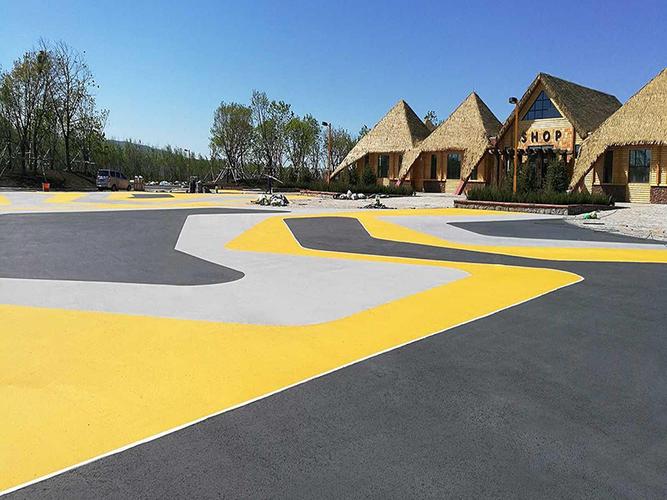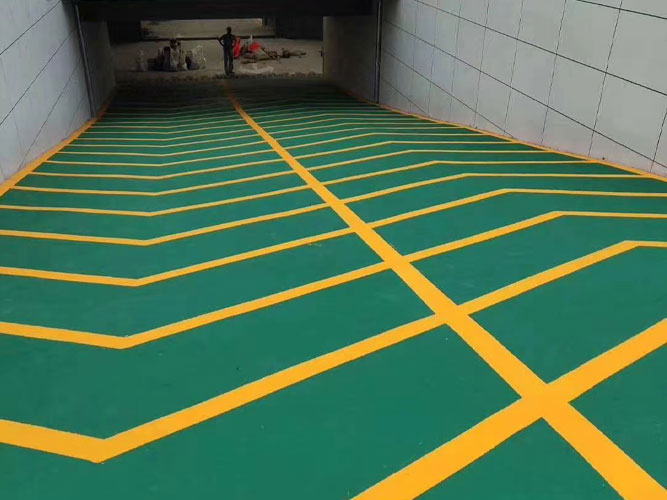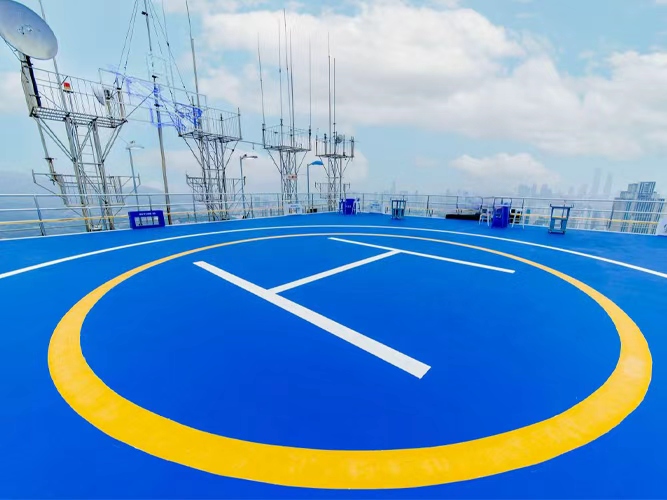
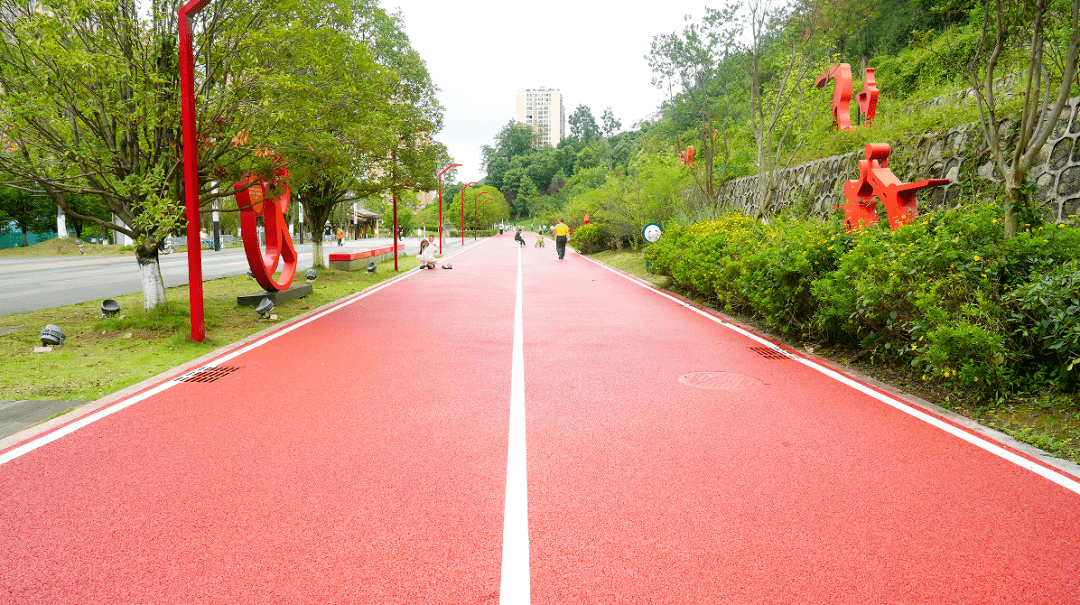
The cost of colored pavement varies depending on the material system, project size, color requirements, surface condition, and installation method. In general, colored pavement costs more than traditional asphalt because it requires pigments, specialty binders, resin coatings, or anti-slip aggregates.
| Pavement Type | Typical Cost (Installed) |
|---|---|
| Colored Surface Coating | $3–$5 per sq. ft. |
| Colored Asphalt | $5–$7 per sq. ft. |
| Colored Asphalt Overlay | $3–$8 per sq. ft. |
| Premium Colored Asphalt | $12–$17 per sq. ft. |
| Traditional Asphalt | $3–$7 per sq. ft. |
These ranges vary by region, project scale, and material specification.
For international projects, the approximate costs are:
Colored coating systems: $32–$54/m²
Standard colored asphalt: $54–$75/m²
High-performance anti-slip colored pavement: $75–$183/m²
(Conversion based on 1 m² = 10.76 ft².)
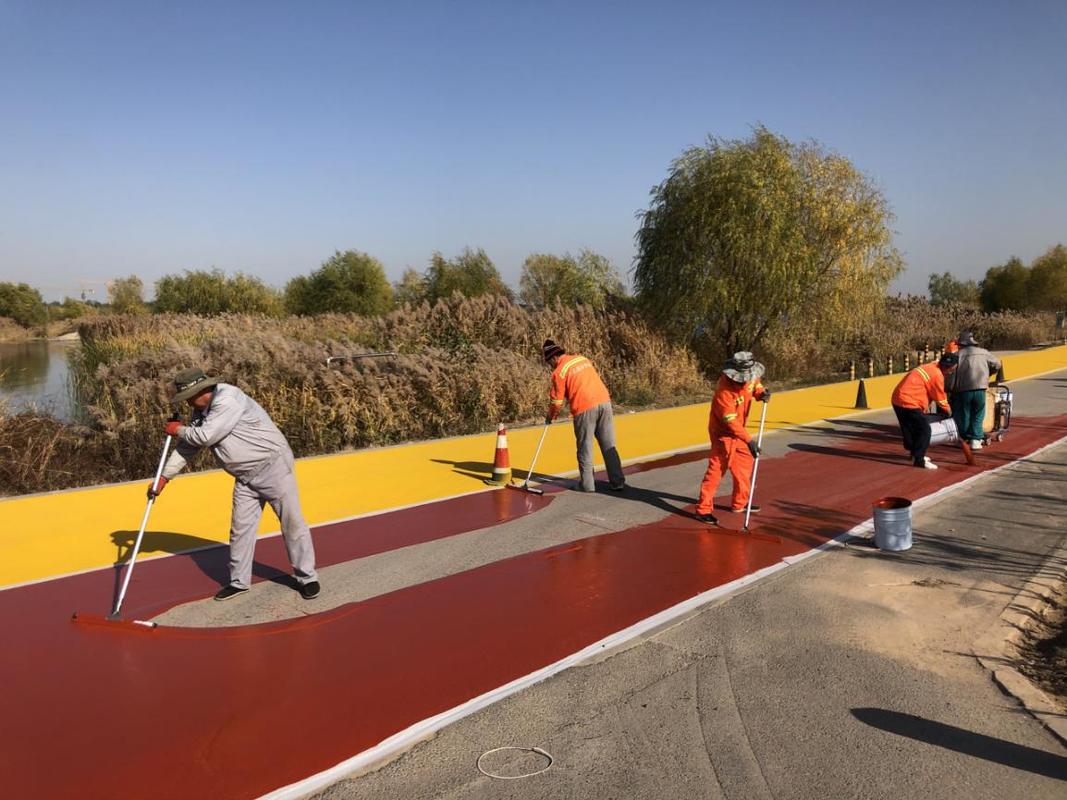
Different systems have different costs:
Water-based colored coatings: lower cost
Resin-bound colored pavement: medium cost
MMA colored pavement: higher cost
Full-depth colored asphalt: highest cost
Premium systems offer better durability and color retention but require a larger initial investment.
If the existing pavement has cracks, potholes, or structural damage, repairs may be required before installation. Surface preparation can add $1–$3 per sq. ft. to the project cost.
High-friction colored pavement systems use premium aggregates such as calcined bauxite or ceramic particles. These materials improve skid resistance but increase overall project costs.
Large municipal or highway projects generally have lower unit costs because labor, equipment, and material expenses are spread across a larger area.
Small projects such as parking lots, school crossings, or decorative pathways typically have higher per-square-meter costs.
Standard red and green colors are generally the most economical because they are widely used for bike lanes and traffic management. Custom colors may require specialized pigments and increase costs.
| Project Type | Estimated Cost Range |
|---|---|
| Bike Lane | $50–$120/m² |
| Pedestrian Crossing | $60–$150/m² |
| School Zone | $60–$140/m² |
| Parking Lot Marking Area | $40–$100/m² |
| Scenic Road Surface | $70–$180/m² |
Actual pricing depends on pavement condition, location, and performance requirements.
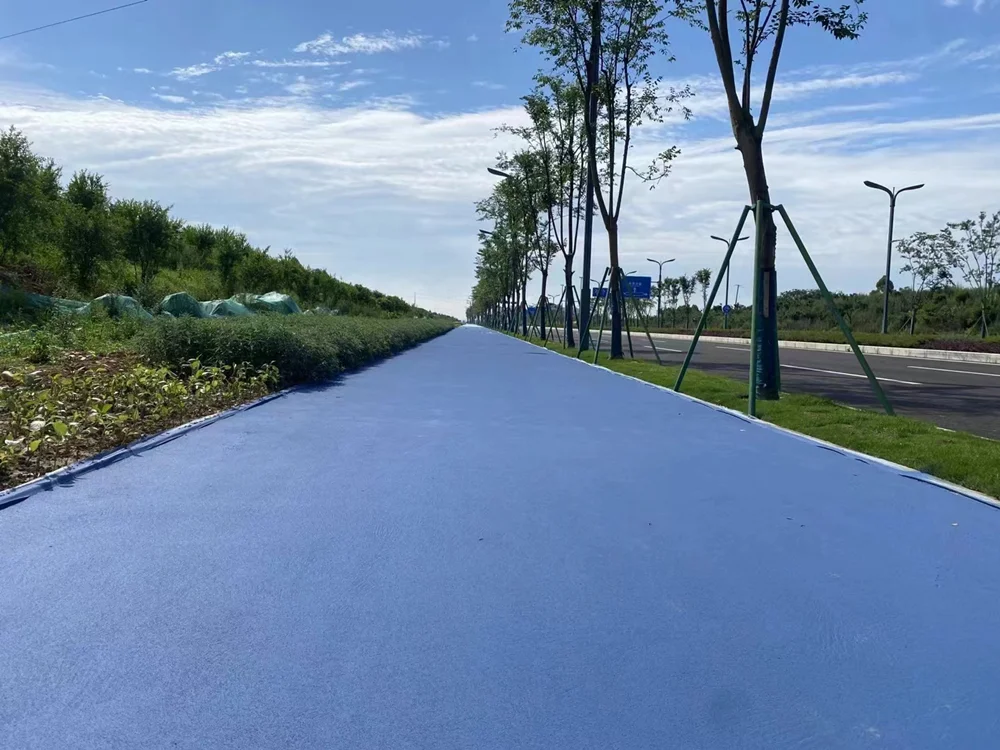
Although colored pavement may cost 20–100% more than conventional asphalt, many municipalities consider it a worthwhile investment because it:
Improves traffic safety
Enhances skid resistance
Increases visibility for cyclists and pedestrians
Reduces maintenance of painted markings
Creates attractive urban environments
Supports traffic calming strategies
A discussion among urban planners noted that colored asphalt can cost roughly 30% more upfront than standard black asphalt, but the color remains visible throughout its service life, reducing the need for repeated repainting.
For most urban infrastructure projects, colored pavement typically costs $5–$12 per square foot ($54–$129 per square meter), while premium anti-slip and decorative systems can reach $12–$17 per square foot ($129–$183 per square meter). The final price depends on the pavement system, surface preparation, color choice, and project scale. While the initial investment is higher than traditional asphalt, the long-term benefits in safety, visibility, and aesthetics often justify the additional cost.