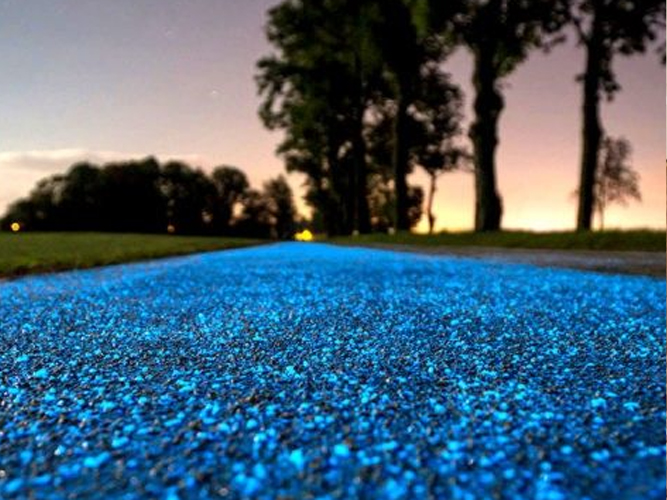
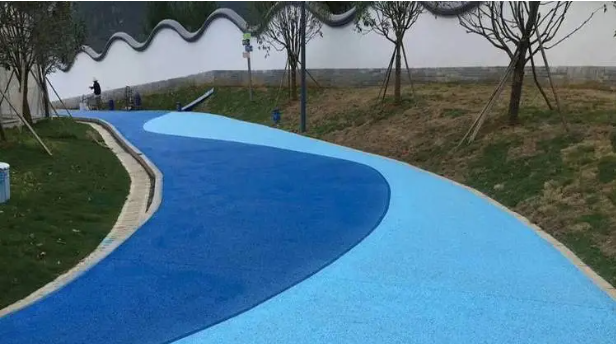
Colored road surfacing solutions are becoming an important part of modern public infrastructure projects. Governments, transportation agencies, and urban planners increasingly use colored pavement systems to improve road safety, organize traffic flow, and enhance the visual appearance of public spaces.
These advanced surfacing systems combine durable binders, high-friction aggregates, and long-lasting pigments to create pavement surfaces that are both functional and visually effective. Colored road surfaces are now widely applied in urban roads, highways, bridges, bicycle lanes, pedestrian areas, airports, schools, and public transportation corridors.
Colored pavement provides multiple advantages for transportation infrastructure and public safety projects.
Colored surfacing creates clear visual guidance for drivers, cyclists, and pedestrians. Different traffic zones can be easily identified, helping reduce confusion and improve overall traffic management.
High-friction colored surfaces also improve skid resistance, especially during wet weather or heavy braking conditions.
Cities use colored road systems to separate various transportation functions, including:
Bicycle lanes
Bus rapid transit lanes
Pedestrian crossings
Emergency vehicle lanes
Parking guidance zones
School safety areas
The use of color improves road readability and supports efficient urban mobility planning.
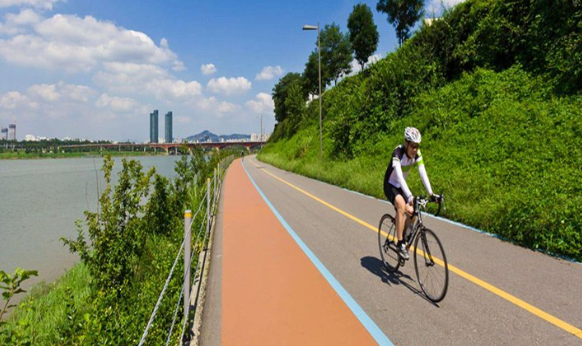
Modern colored surfacing systems are designed to withstand heavy traffic loads, UV exposure, temperature changes, and harsh weather conditions. Advanced resin technologies help maintain strong adhesion, color stability, and long-term anti-skid performance.
Many modern colored pavement materials use water-based technologies with low VOC emissions, supporting environmentally responsible infrastructure development.
Water-based systems are environmentally friendly and suitable for urban roads, parks, greenways, and pedestrian infrastructure. These systems offer good flexibility, strong adhesion, and reduced environmental impact during installation.
MMA (Methyl Methacrylate) resin surfacing is widely used in high-traffic public infrastructure because of its rapid curing speed and exceptional durability. It allows fast project completion with minimal traffic disruption.
Applications include:
Intersections
Bridges
Tunnels
Highways
Airport pavements
Colored ceramic particles provide excellent friction performance and long-lasting color retention. These systems are commonly used where both high visibility and superior skid resistance are required.
Colored micro surfacing is a cost-effective maintenance solution for extending pavement life while improving road appearance and surface texture.
Colored road surfacing solutions are widely used across multiple public infrastructure sectors.
Cities use colored pavement to improve traffic control and create safer multimodal transportation networks.
Dedicated bicycle lanes and pedestrian crossings benefit from improved visibility and safer walking and cycling conditions.
Colored anti-skid systems improve driver awareness and traction in confined or high-risk roadway environments.
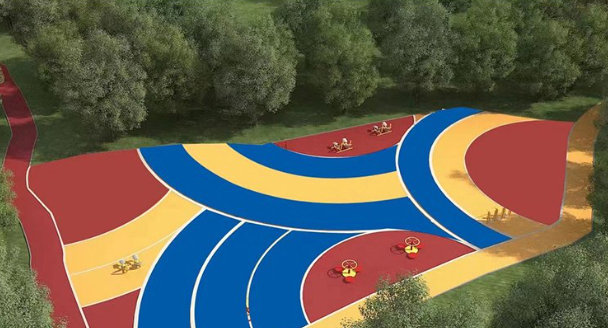
Bus lanes and transit priority zones often use colored pavement to improve operational efficiency and traffic separation.
Ports, logistics centers, parking facilities, and industrial roads use durable anti-slip colored surfacing for safety and traffic organization.
To achieve long-term performance, public infrastructure projects should consider:
Proper surface preparation
Traffic load requirements
Climate conditions
Aggregate selection
Binder durability
Color stability
Maintenance planning
Professional installation and high-quality materials are essential for maximizing pavement lifespan and safety performance.
As cities continue developing smart transportation systems, colored road surfacing technology will play a greater role in improving public safety, sustainability, and urban design. Modern infrastructure projects increasingly demand road surfaces that combine high durability, skid resistance, environmental performance, and strong visual communication.
Colored pavement solutions are helping create safer, more organized, and more sustainable public infrastructure for the future.