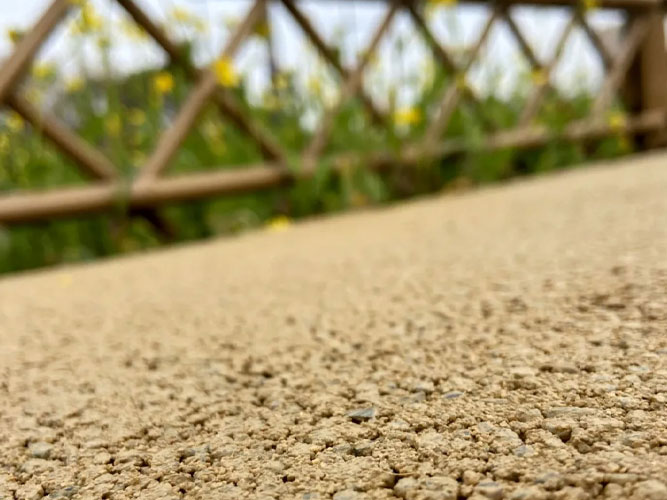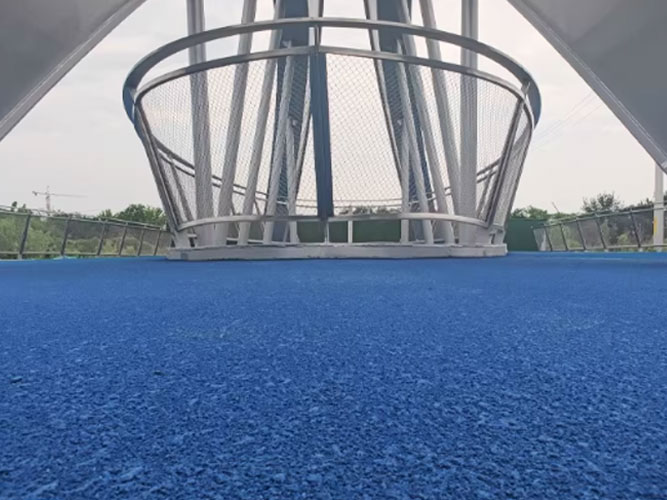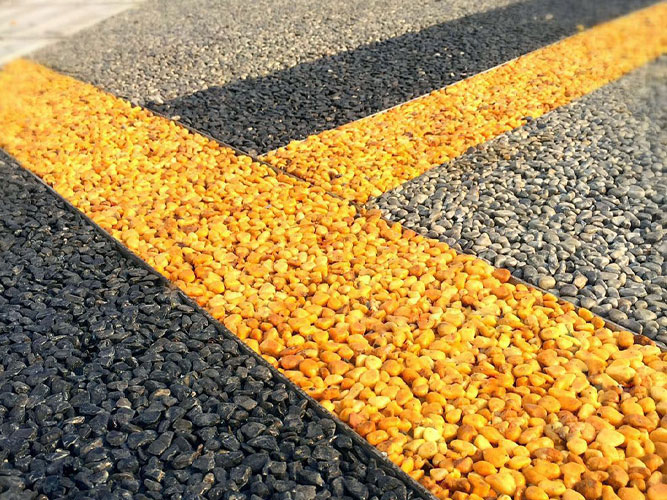
Water-based colored anti-slip pavement materials are environmentally friendly surfacing systems designed to improve road safety, visibility, and durability while reducing environmental impact. They are widely used in urban roads, bike lanes, pedestrian crossings, parking lots, school zones, and traffic-calming areas where both performance and sustainability are important.
These systems use waterborne resin technology, combined with pigments and high-friction aggregates, to create a durable, colored, and slip-resistant pavement layer.
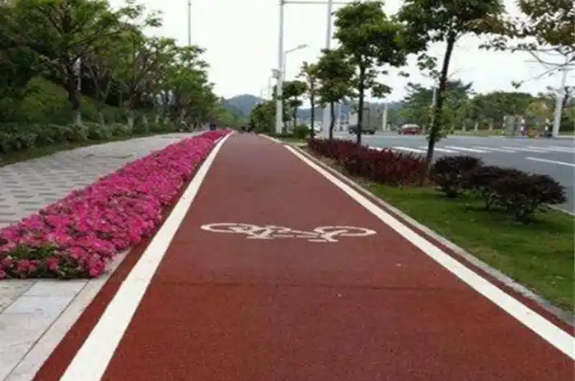
The most important feature of water-based colored anti-slip materials is their low environmental impact.
Key environmental advantages include:
Low volatile organic compound (VOC) emissions
No need for high-temperature heating during application
Reduced energy consumption during construction
Safer working conditions for installers and surrounding areas
Because water is used as the dispersion medium, these systems are considered a greener alternative to solvent-based or hot-mix coatings.
Despite being eco-friendly, water-based anti-slip systems still provide strong safety performance. They incorporate hard mineral aggregates that create a textured surface with high friction.
This helps:
Improve tire grip in wet conditions
Reduce slipping risks for cyclists and pedestrians
Shorten braking distances for vehicles
Increase stability in intersections and crossings
This makes them suitable for both light-traffic and moderate-traffic areas where safety is critical.
Water-based colored pavement systems use UV-resistant pigments to provide clear and long-lasting color marking.
Common applications include:
Green bicycle lanes
Red warning or conflict zones
Yellow caution and transition areas
Blue special-use zones
These colors improve traffic organization and help road users quickly understand lane functions.
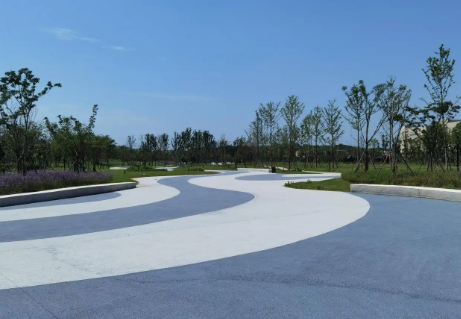
Modern water-based resin systems are engineered to bond effectively with asphalt and concrete surfaces. Once cured, they form a protective layer that helps extend pavement life.
Benefits include:
Sealing minor surface cracks
Reducing water penetration
Protecting against oxidation and weathering
Improving overall pavement durability
Water-based colored anti-slip pavement materials are widely used in:
Urban bike lanes and shared paths
Pedestrian crossings and sidewalks
School zones and residential streets
Parking areas and community roads
Parks and recreational pathways
They are especially suitable for projects where environmental compliance is required.
Compared to full pavement reconstruction, water-based systems provide a cost-efficient solution for surface improvement.
Advantages include:
Lower material and energy costs
Faster application process
Minimal traffic disruption
Extended pavement service life
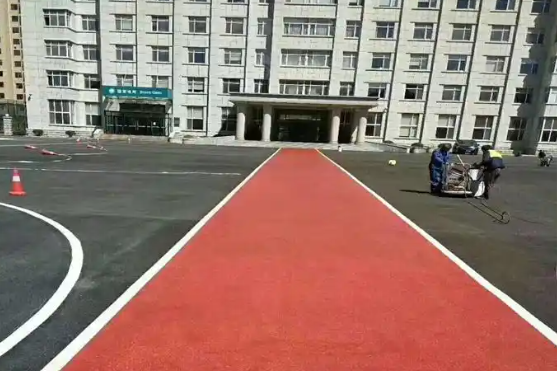
These materials are designed to perform under various environmental conditions, including:
Rain and moisture exposure
UV radiation
Moderate temperature changes
Daily traffic wear
While they may not match the extreme durability of MMA systems, they offer reliable performance for many urban applications.
Water-based colored anti-slip pavement materials provide a balanced solution that combines environmental sustainability, skid resistance, and visual road guidance. Their low-VOC formulation, ease of application, and strong safety performance make them ideal for modern urban infrastructure projects focused on green development and traffic safety. As cities continue to prioritize eco-friendly construction, these materials are becoming an increasingly important choice for sustainable pavement engineering.