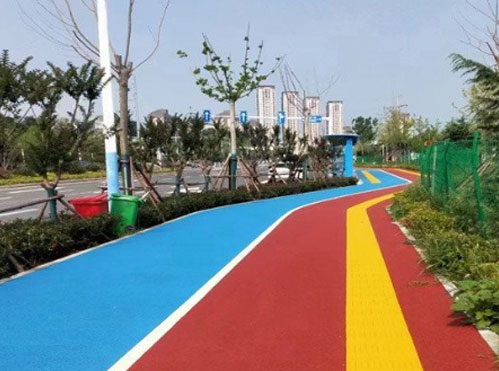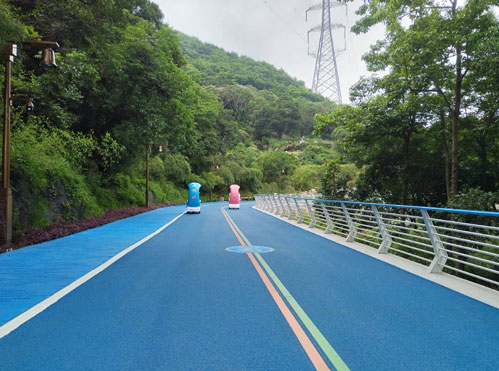
Urban traffic accidents remain one of the most persistent challenges for modern cities. With increasing vehicle density, mixed traffic types, and complex road networks, traditional road markings and standard asphalt surfaces are often not enough to ensure safe driving conditions. To address this, many cities are now adopting colored anti-skid systems as part of their traffic safety strategy.
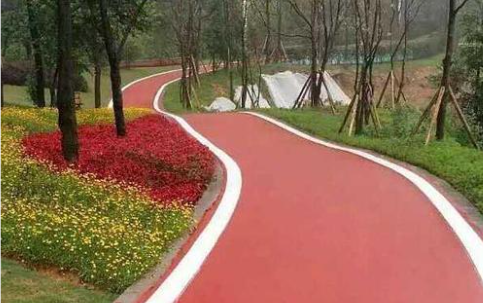
Colored anti-skid systems combine high-friction surfacing technology with visual road differentiation. This dual-function approach improves both physical grip and driver awareness, helping to reduce accidents in high-risk urban zones such as intersections, pedestrian crossings, bus lanes, and bicycle corridors.
One of the main ways cities are reducing accidents is by improving surface friction in critical areas. Colored anti-skid pavement creates a textured surface that enhances tire grip, especially during rain or sudden braking. This significantly reduces skidding incidents, which are a major cause of collisions in urban traffic environments.
At the same time, color is used as a powerful visual communication tool. Different road colors help drivers quickly recognize functional zones. For example, red surfaces may indicate bus priority lanes, green may highlight bicycle corridors, and bright markings can be used for pedestrian crossings or school zones. This clear visual separation reduces confusion and helps drivers make faster, safer decisions.
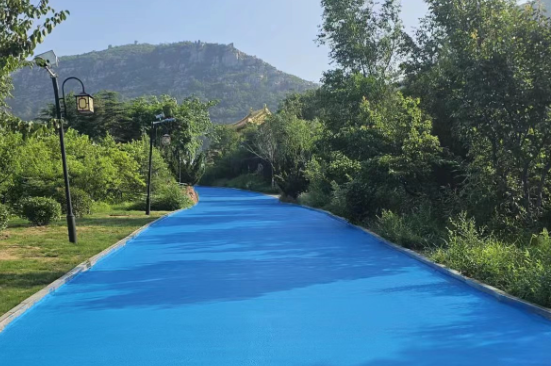
Cities are also applying colored anti-skid systems in accident-prone locations where traditional pavement has failed to provide sufficient safety performance. Sharp turns, downhill slopes, tunnel entrances, and complex intersections are common targets for these upgrades. By improving both visibility and friction, these areas experience noticeable reductions in accident rates.
Another important advantage is the ability to retrofit existing roads. Colored anti-skid systems can be applied directly onto existing asphalt or concrete surfaces without full reconstruction. This allows cities to improve safety quickly and cost-effectively, minimizing traffic disruption while maximizing impact.
Durability is also a key factor in long-term safety performance. Modern colored anti-skid materials are designed to resist wear, UV exposure, and heavy traffic loads. This ensures that both color visibility and skid resistance remain effective over time, reducing maintenance frequency and long-term costs.
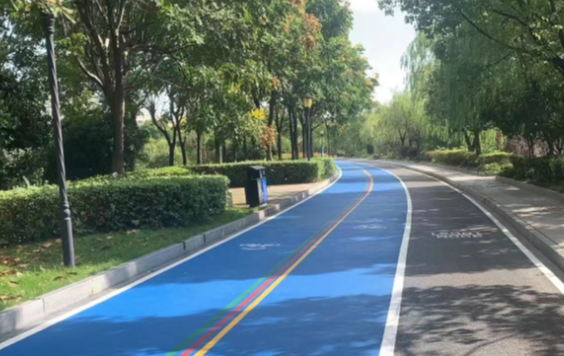
In addition to safety improvements, these systems also contribute to better urban design. Well-organized, color-coded road networks improve traffic flow efficiency and create a more structured and modern city appearance. This is particularly important in smart city development initiatives where safety, efficiency, and aesthetics are integrated.
As urban areas continue to grow and traffic conditions become more complex, colored anti-skid systems are proving to be a practical and scalable solution for accident reduction. By combining friction enhancement with clear visual guidance, cities are achieving safer roads without the need for large-scale infrastructure reconstruction.