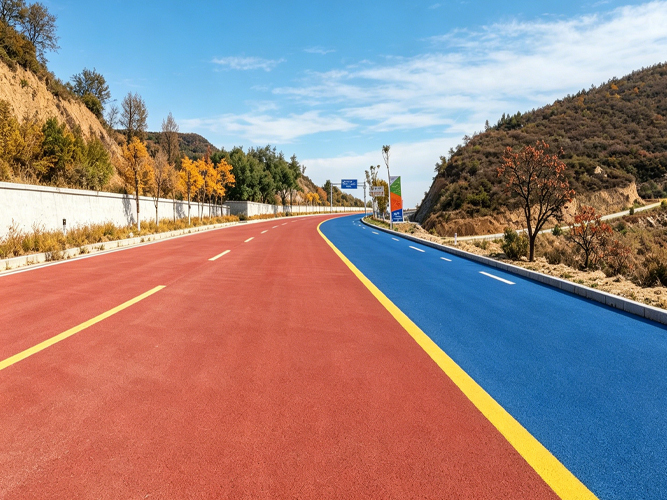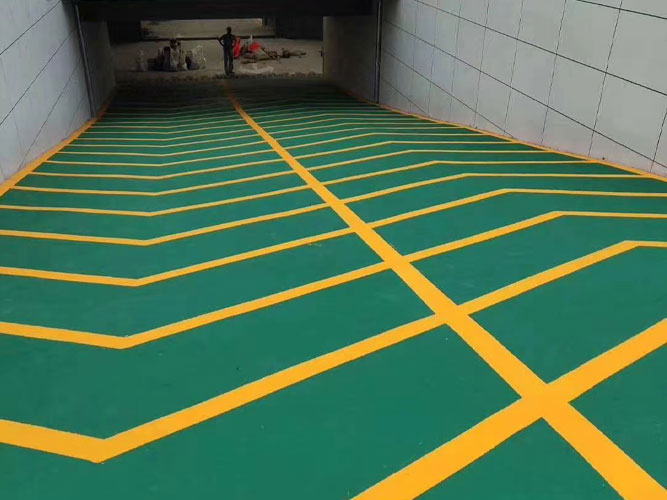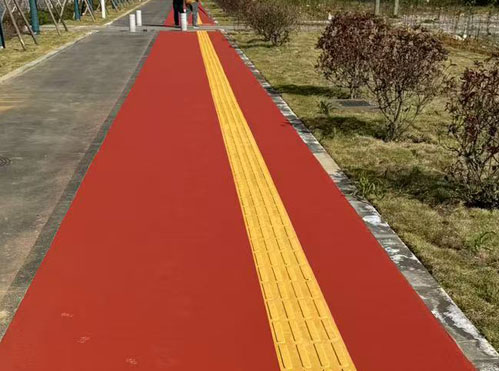
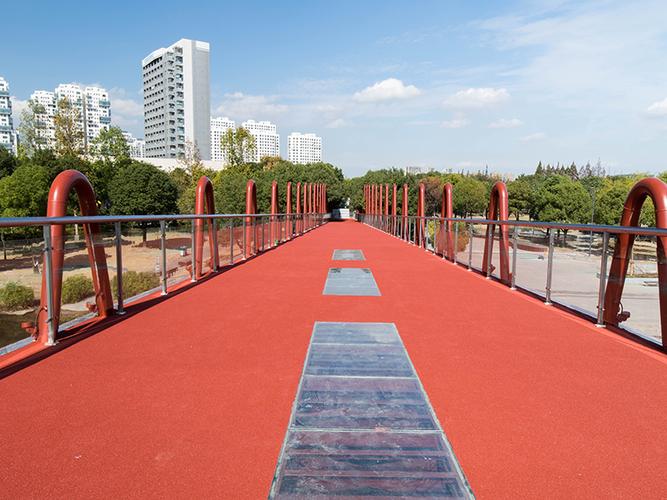
Eco-friendly MMA pavement color systems are advanced resin-based surfacing solutions designed to deliver high durability, fast installation, and strong environmental performance. MMA (methyl methacrylate) systems are widely used for colored road surfaces that require excellent skid resistance, long service life, and minimal traffic disruption.
These systems are commonly applied in urban roads, bicycle lanes, pedestrian crossings, ramps, bridges, tunnels, and other high-traffic infrastructure areas.
An MMA pavement color system is a multi-layer surfacing technology based on methyl methacrylate resin. It typically includes:
MMA resin binder (fast-curing polymer system)
Colored pigments for visibility and design
Anti-skid aggregates (ceramic sand or calcined bauxite)
Initiators and curing agents
Optional primer layer for enhanced adhesion
Once applied, the system rapidly cures into a strong, durable, and brightly colored surface layer.
One of the most important advantages of MMA systems is their extremely fast curing speed. The surface can often be opened to traffic within a few hours.
This is especially valuable for:
Urban road maintenance
Night construction projects
Busy intersections
Highway ramps
Emergency repairs
Short construction time significantly reduces traffic disruption.
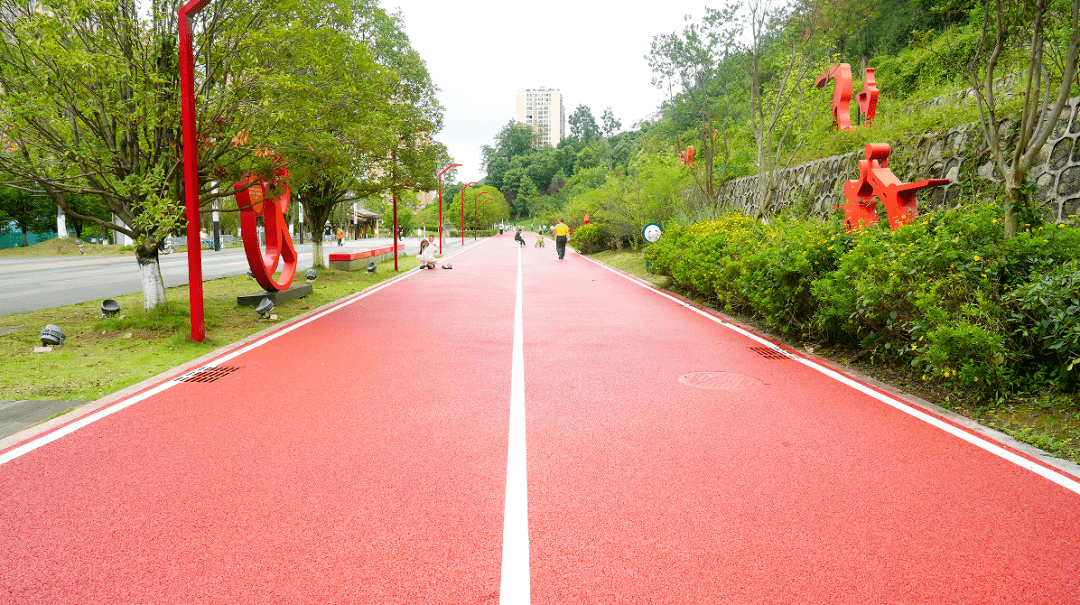
MMA colored pavement systems are combined with high-friction aggregates to improve surface roughness and tire grip. This helps enhance braking performance and driving stability.
It is highly effective in:
Wet road conditions
Curves and slopes
Intersections
Bicycle lanes
Pedestrian crossings
Improved friction reduces accident risks and enhances road safety.
MMA resin forms a highly durable bonding structure that resists wear and environmental damage. It performs well under continuous traffic loading.
Key durability advantages:
High abrasion resistance
Strong adhesion to asphalt and concrete
Resistance to cracking and peeling
Long-term structural stability
This reduces maintenance frequency and lifecycle costs.
Eco-friendly MMA systems are designed with environmental performance in mind. Modern formulations help reduce environmental impact during installation and service life.
Environmental benefits include:
Low VOC emission options available
Long service life reduces material waste
Reduced need for frequent resurfacing
Efficient use of materials through thin-layer application
This supports sustainable urban infrastructure development.
MMA pavement color systems maintain stable performance under harsh environmental conditions, including:
Strong UV exposure
Heavy rain and moisture
Freeze-thaw cycles
High and low temperature variations
Color stability remains strong over time, ensuring long-lasting visibility and aesthetics.
Colored MMA surfaces provide clear visual separation of traffic zones, improving road organization and user awareness.
Common applications include:
Bicycle lanes (green, red, or blue zones)
Bus priority lanes
Crosswalks
School zones
Safety warning areas
The high contrast improves both daytime and nighttime visibility.
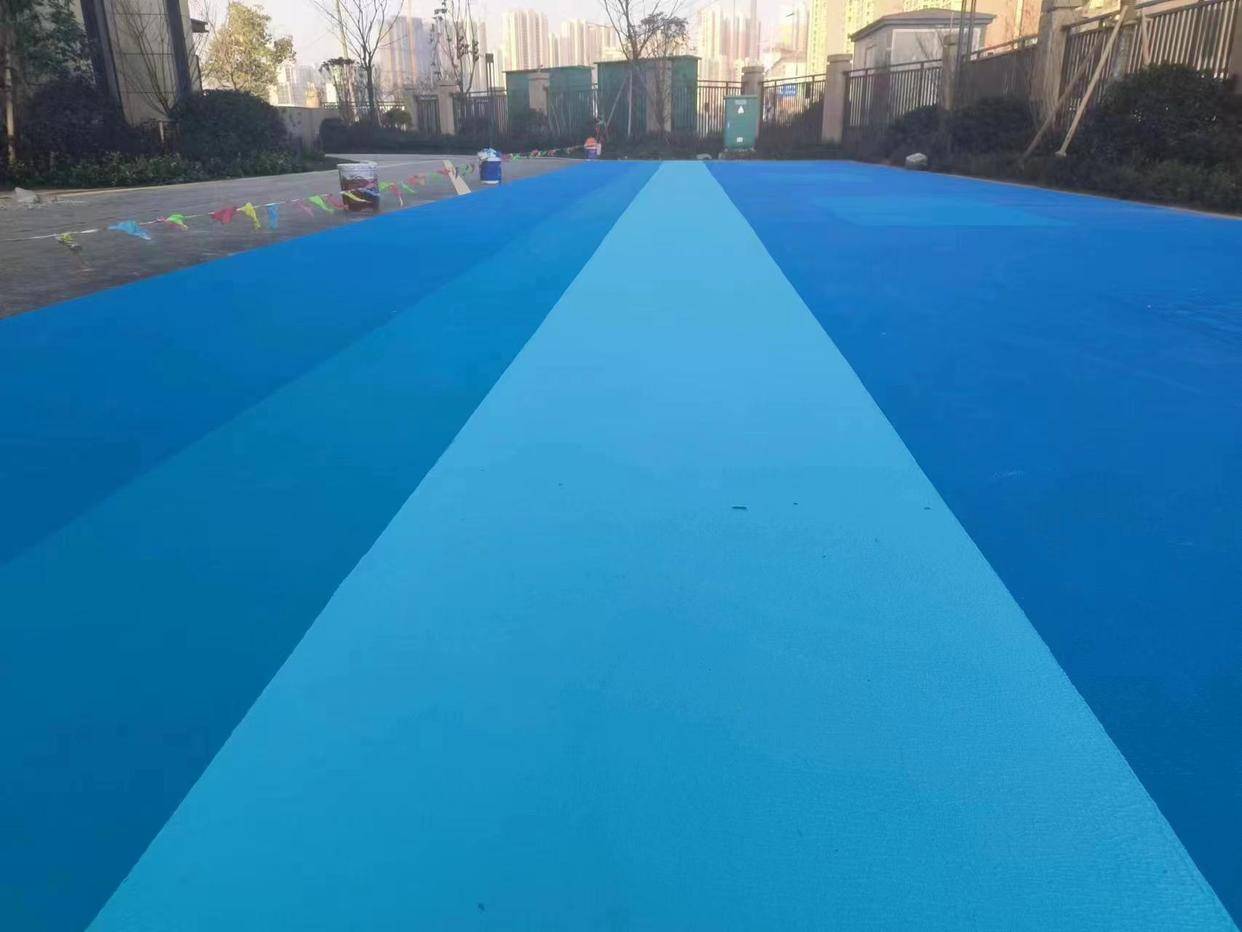
Eco-friendly MMA pavement color systems are used in:
Urban roads
Bicycle and pedestrian lanes
Highway ramps and exits
Parking structures
Bridges and tunnels
Industrial facilities
Airport service roads
Commercial plazas
They are suitable for both functional and decorative pavement needs.
MMA colored pavement systems align with smart city development goals by offering:
Safer traffic environments
Faster construction efficiency
Sustainable material usage
Improved urban aesthetics
Flexible design options
They help cities build more organized, efficient, and visually clear transportation networks.
Eco-friendly MMA pavement color systems provide a powerful combination of fast curing performance, high durability, anti-skid safety, and environmental sustainability. Their ability to quickly create long-lasting, high-visibility road surfaces makes them a preferred solution for modern urban infrastructure projects.
As cities continue to prioritize green construction and efficient traffic management, MMA colored pavement systems will remain an essential technology for safer and more sustainable road development.