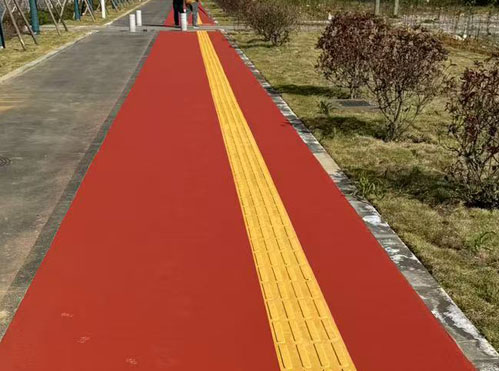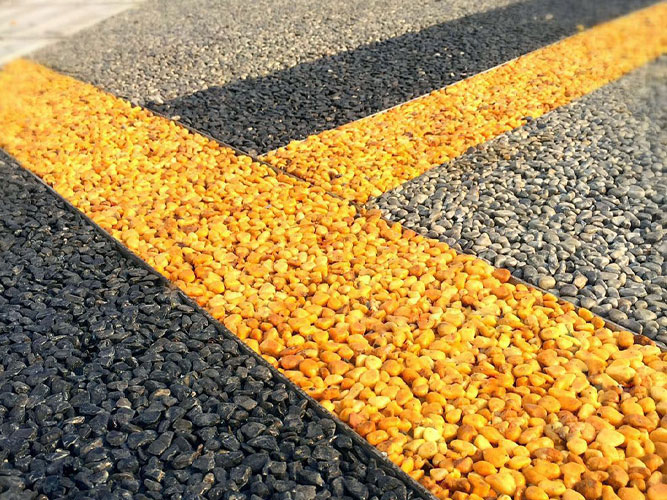
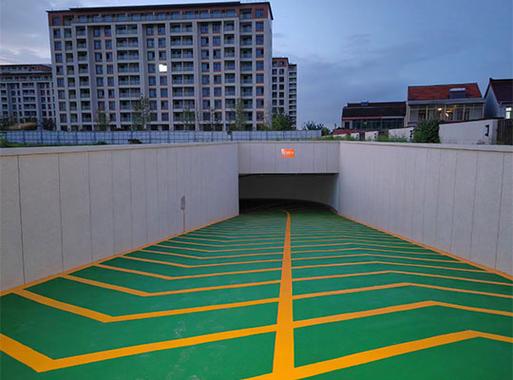
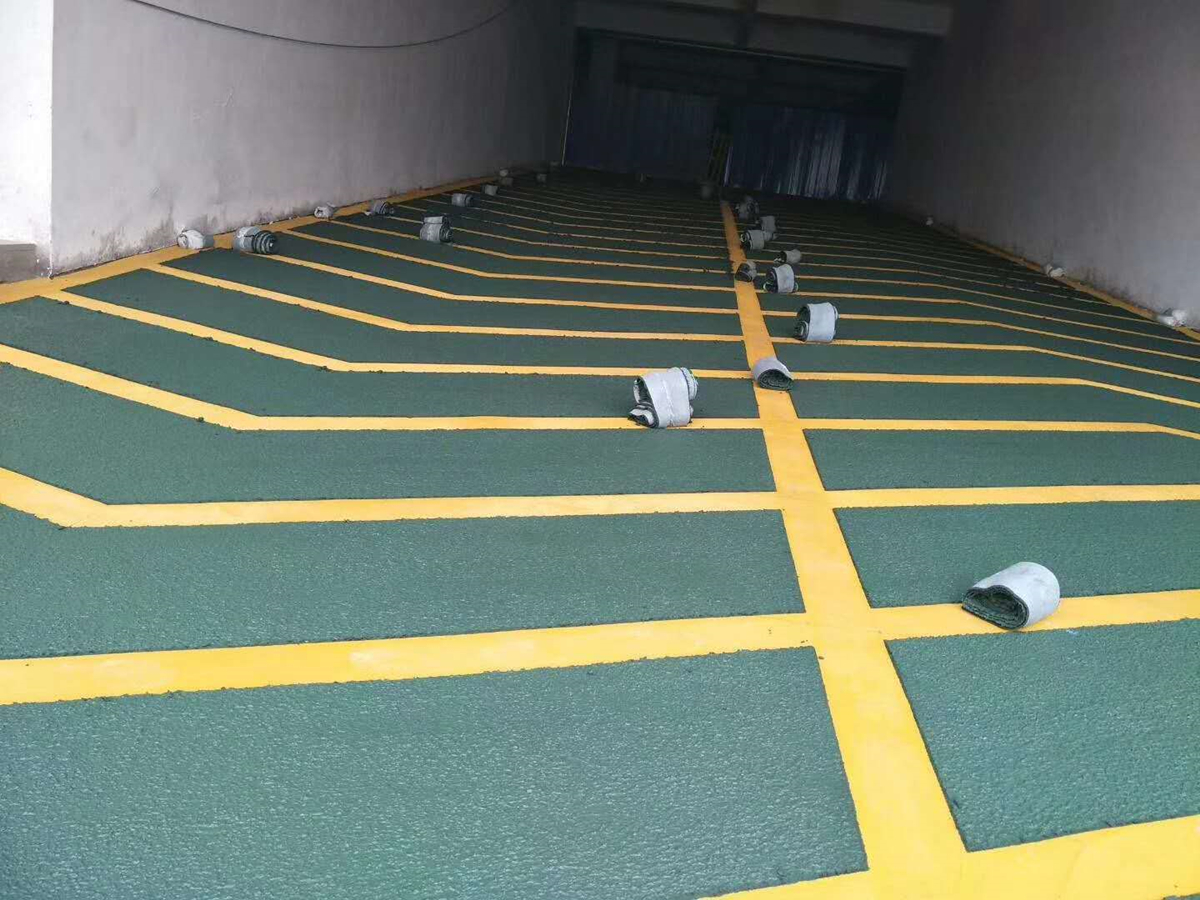
Low-vibration anti-skid ramp surfacing is a specialized pavement solution designed for ramps, bridge approaches, parking structures, loading zones, and other sloped surfaces where vehicle stability, noise reduction, and safety are critical. It combines high-friction performance with a smoother vibration-damping structure to improve driving comfort while maintaining strong skid resistance.
This type of surfacing is increasingly used in modern urban infrastructure, logistics centers, and transportation hubs where ramps experience frequent acceleration, braking, and directional changes.
Low-vibration anti-skid ramp surfacing is an engineered pavement system that reduces surface irregularities while maintaining high friction levels. It typically uses resin binders, modified asphalt systems, and carefully graded aggregates to create a stable yet textured surface.
Common system types include:
MMA resin ramp surfacing
Polymer-modified anti-skid coatings
High-friction textured ramp overlays
Colored anti-skid ramp systems
Micro-textured vibration-reducing surfacing
These systems are designed to balance smooth driving comfort with strong safety performance.
Ramps are high-risk areas because vehicles frequently transition between different elevations while accelerating or braking. Low-vibration anti-skid surfacing improves stability and reduces the risk of slipping.
Key benefits include:
Better tire grip during uphill and downhill movement
Reduced wheel slip during acceleration
Improved braking control on slopes
Enhanced vehicle stability in tight turning ramps
Safer transitions between levels in parking structures
This makes it especially valuable in multi-story parking garages and highway ramps.

One of the main advantages of this surfacing type is its ability to reduce vibration impact caused by uneven pavement textures or joint transitions.
Comfort improvements include:
Smoother vehicle passage over ramp surfaces
Reduced tire-road impact noise
Less driver fatigue in repetitive ramp use
Improved passenger comfort in buses and commercial vehicles
This is particularly important in high-frequency traffic environments such as commercial parking buildings and logistics facilities.
Even though it reduces vibration, this surfacing still maintains strong anti-skid properties through engineered surface texture and high-friction aggregates.
Safety benefits include:
Improved grip in wet or oily conditions
Reduced risk of skidding on steep slopes
Better traction during braking and turning
Increased safety in emergency vehicle movement
This balance of smoothness and friction is critical for ramp safety design.
Ramps are especially vulnerable to water accumulation due to slope geometry. Low-vibration anti-skid surfacing helps maintain safe driving conditions even during rainfall.
Performance advantages include:
High wet-weather skid resistance
Reduced hydroplaning risk
Improved drainage-compatible surface texture
Stable friction under changing weather conditions
This makes it ideal for outdoor ramps and exposed bridge approaches.
Vehicle noise is often amplified on ramp structures, especially in parking garages and elevated road systems. Low-vibration surfacing helps reduce acoustic impact.
Noise reduction benefits include:
Lower tire-road noise generation
Reduced echo in enclosed parking structures
Improved environmental comfort for nearby buildings
Better urban noise control compliance
This is increasingly important in dense urban developments.
Modern ramp surfacing systems are designed to withstand repeated vehicle stress, including turning, braking, and heavy loading.
Durability features include:
Strong resistance to shear forces
High adhesion to concrete and asphalt bases
UV and weather resistance
Long-term texture stability
Resistance to rutting and polishing
This reduces maintenance frequency and lifecycle costs.
Many low-vibration anti-skid systems use fast-curing resin technologies, allowing rapid installation and reopening.
Construction advantages include:
Quick curing times (especially MMA systems)
Minimal downtime for traffic or facility use
Suitable for night-time or phased construction
Efficient repair and resurfacing capability
This is especially useful in commercial parking structures and busy transport hubs.
Low-vibration anti-skid ramp surfacing is suitable for many infrastructure environments, including:
Multi-level parking garages
Highway entrance and exit ramps
Bridge approach ramps
Logistics and warehouse loading ramps
Airport service roads
Industrial vehicle access slopes
Its versatility makes it a preferred solution for both public and private infrastructure projects.
Modern ramp surfacing systems increasingly incorporate environmentally friendly materials and efficient construction methods.
Sustainability advantages include:
Reduced material waste through thin-layer application
Longer service life reduces reconstruction frequency
Low-VOC resin systems available
Compatible with green infrastructure standards
These features support sustainable urban development goals.
Low-vibration anti-skid ramp surfacing is evolving toward smarter and more advanced material systems.
Future trends include:
Enhanced self-cleaning surface technologies
Improved wear-resistant resin formulations
Smart monitoring of surface friction conditions
More eco-friendly water-based systems
Longer-lasting anti-polishing aggregates
Low-vibration anti-skid ramp surfacing provides an effective balance between driving comfort and safety performance. By reducing vibration while maintaining high friction, it improves vehicle stability, enhances passenger comfort, and increases safety on critical sloped surfaces.
As urban infrastructure becomes more complex, this surfacing technology will continue to play an important role in parking facilities, transportation hubs, and modern road systems.