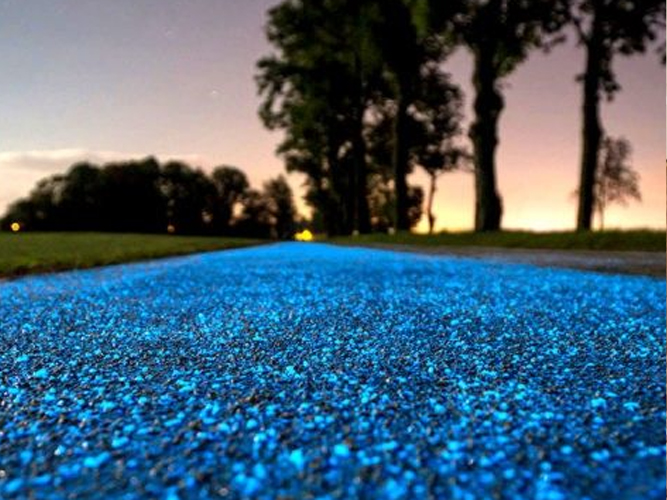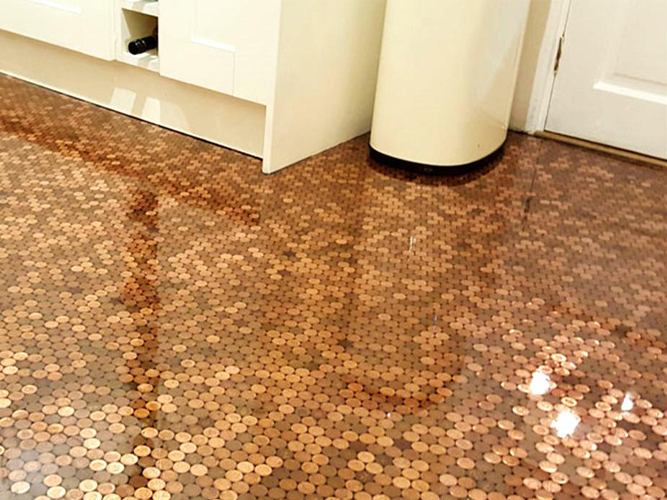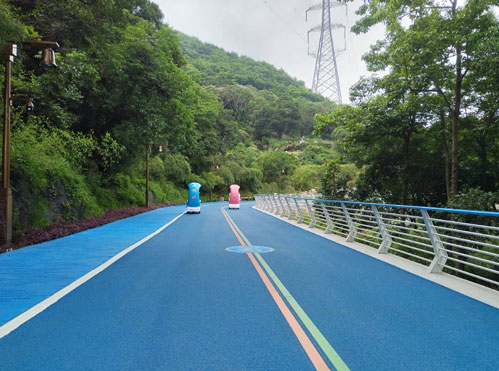
Color emulsified micro-surfacing is an advanced pavement maintenance and functional surface technology that combines polymer-modified emulsified asphalt, colored aggregates, and mineral fillers to form a thin, durable, and high-friction wearing layer. It is widely used in urban roads, bicycle lanes, intersections, and safety-critical zones where both performance and visibility are required.
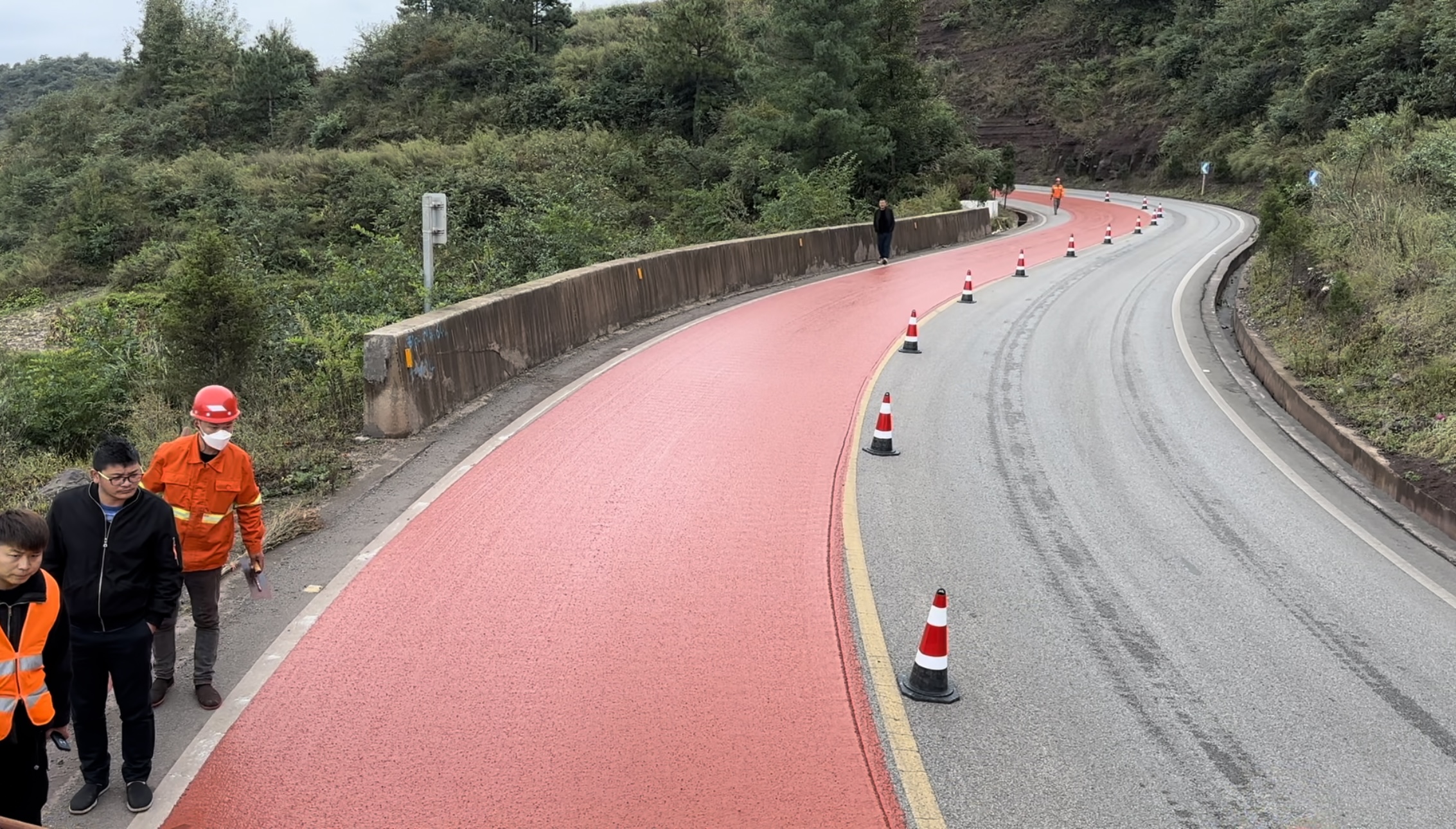
Color emulsified micro-surfacing typically consists of:
Polymer-modified asphalt emulsion
Crushed colored aggregates (such as ceramic or mineral particles)
Mineral fillers (cement or lime-based materials)
Additives for setting control and durability
After mixing and application, the slurry undergoes a chemical breaking process where water evaporates and the emulsion binds the aggregates into a dense surface layer. This creates a rough, textured, and colored pavement with strong anti-skid properties.
Research shows that micro-surfacing significantly improves surface texture depth and friction coefficient. The embedded aggregates provide long-term anti-skid performance, especially in wet conditions and high-traffic areas.
Color emulsified micro-surfacing forms a flexible yet strong layer that resists rutting, abrasion, and surface deformation. It performs well under moderate to heavy traffic when properly designed and installed.
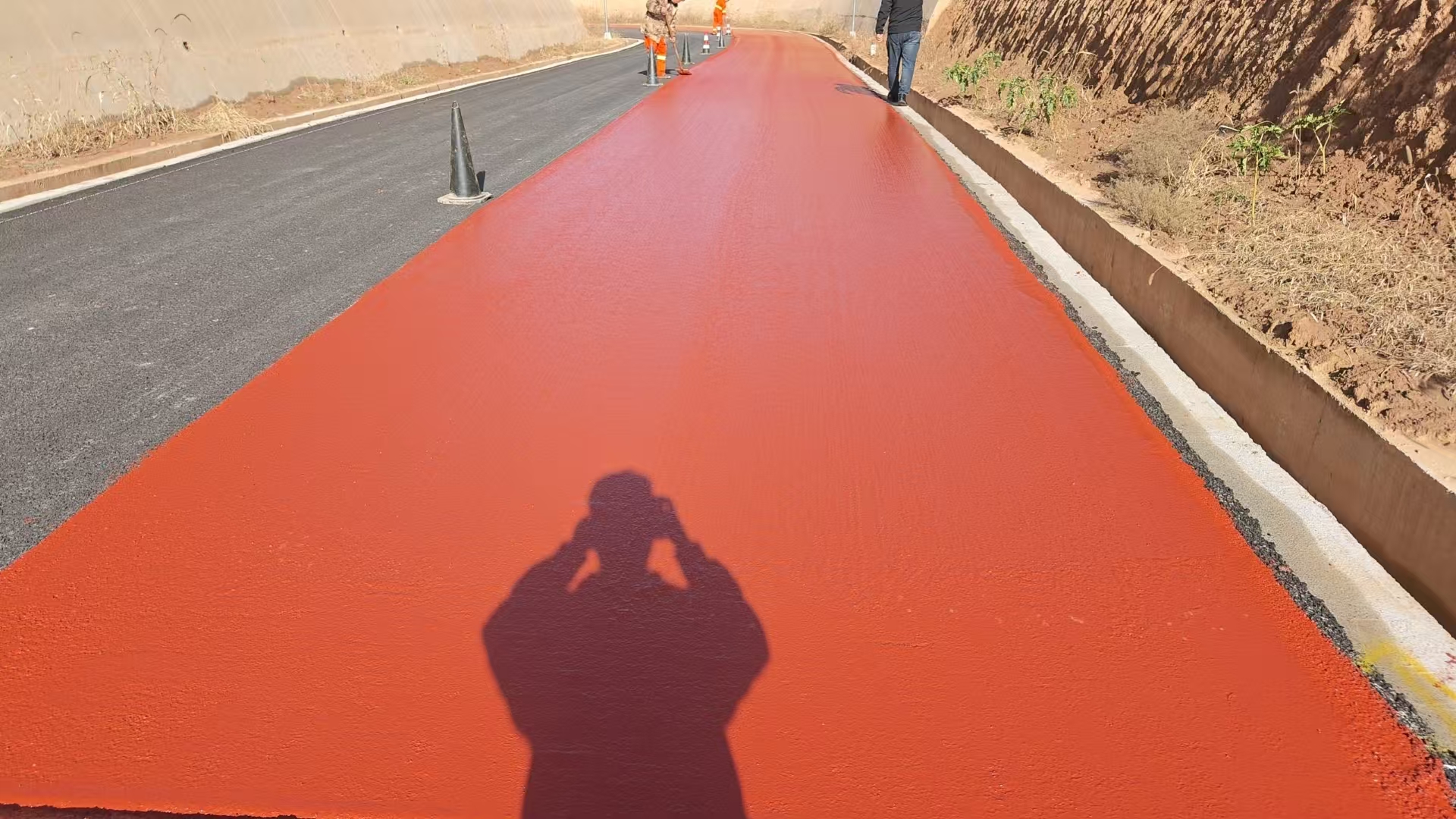
The use of mineral or ceramic pigments ensures stable coloration under UV exposure. However, long-term color retention depends on traffic intensity, aggregate quality, and environmental conditions.
The dense structure reduces water infiltration, helping protect underlying asphalt layers from oxidation and moisture damage, extending pavement lifespan.
Color emulsified micro-surfacing is commonly applied in:
Urban arterial roads
Bus lanes and transit corridors
Bicycle lanes
Bridge decks and ramps
Intersection reinforcement zones
Scenic and commercial streets
Its combination of functional performance and aesthetic improvement makes it suitable for smart city infrastructure.
Key advantages identified in engineering studies include:
Fast construction and short traffic closure time
Cost-effective maintenance solution
Improved skid resistance compared to conventional sealcoats
Enhanced visibility for traffic guidance
Reduced noise in some applications due to surface texture optimization
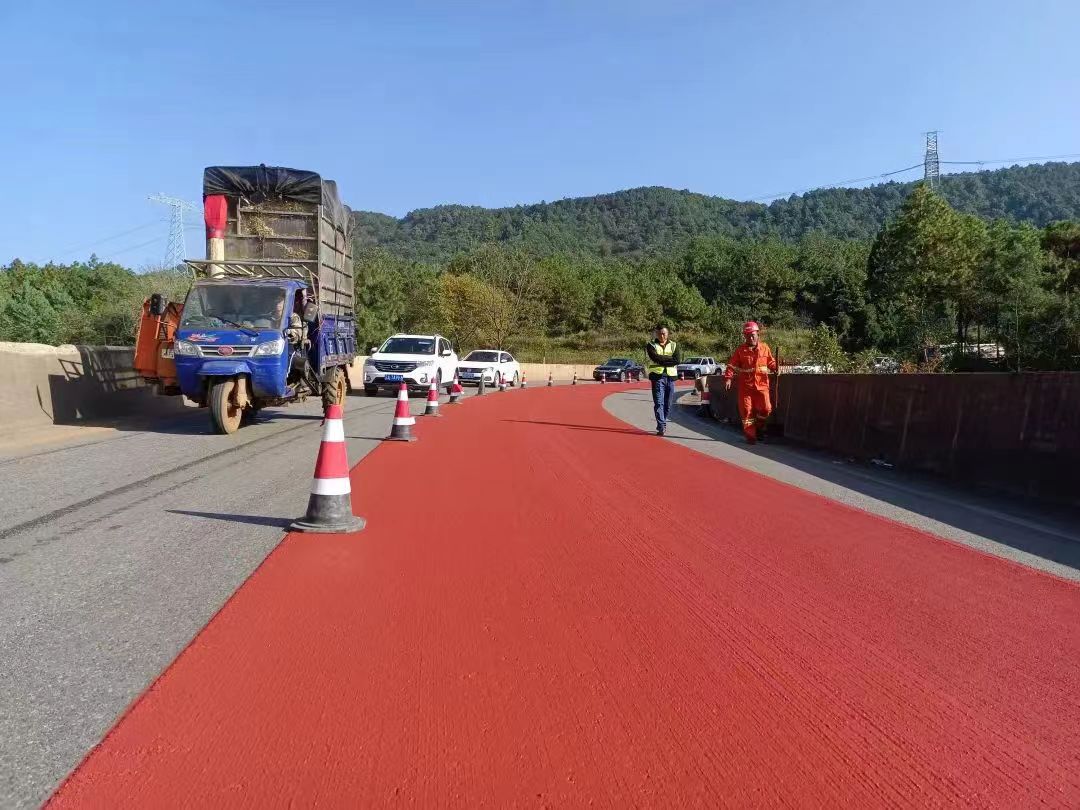
Despite its advantages, some limitations exist:
Not suitable for severely damaged or structurally failed pavements
Color may fade faster under extremely high traffic abrasion
Requires strict control of mix design and environmental conditions during application
Performance highly dependent on construction quality
Research indicates that color emulsified micro-surfacing is an effective functional pavement technology that integrates maintenance, safety, and visual enhancement. It provides strong skid resistance, improved durability, and effective traffic guidance, making it a valuable solution for modern urban road systems and smart city development.