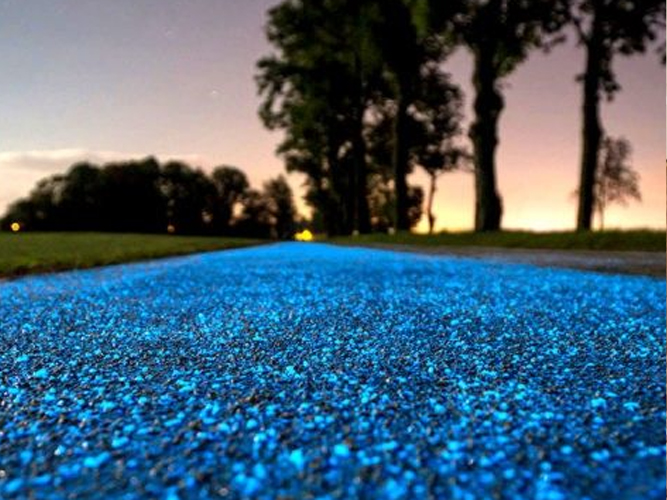

Colored anti-skid pavement has become an important part of modern urban infrastructure, especially in the development of smart cities. It combines traffic safety, visual communication, and durable surface performance, helping cities manage complex mobility systems more efficiently and safely.
One of the primary reasons smart cities adopt colored anti-skid pavement is safety improvement. The textured surface created by anti-skid aggregates increases friction between tires and the road, reducing the risk of slipping, especially in rainy or high-traffic conditions.
At the same time, bright colored surfacing clearly defines different functional zones such as bike lanes, pedestrian crossings, and bus lanes, helping reduce traffic conflicts and accidents.
Smart cities rely on clear and efficient traffic flow management. Colored pavement acts as a visual communication tool that guides drivers, cyclists, and pedestrians.
For example:
Red zones can indicate high-alert crossing areas
Green or blue lanes can mark bicycle paths
Yellow markings can highlight warning or transition zones
This color-based system improves decision-making speed for road users and enhances overall traffic efficiency.
Colored anti-skid pavements support sustainable transportation systems by encouraging walking and cycling. Safer and more visible bike lanes increase cycling adoption, reducing dependence on private vehicles and lowering carbon emissions.
They also align with smart city goals such as:
Reduced traffic congestion
Lower environmental impact
Improved public transportation integration
Modern colored anti-skid coatings are designed for long service life. They resist UV radiation, weather changes, and heavy traffic wear. This reduces maintenance frequency and long-term infrastructure costs.
Fast construction and quick curing also minimize road closure time, which is essential in densely populated urban areas.
Beyond functionality, colored pavement contributes to city branding and visual identity. Well-designed color-coded road systems create a cleaner, more organized, and modern urban appearance, improving the overall public space experience.
Colored anti-skid pavement is essential for smart cities because it integrates safety, efficiency, sustainability, and visual communication into one system. As urban mobility becomes more complex, these pavements play a key role in building safer, more organized, and more livable cities.