Ramps in heavy traffic environments face constant stress from braking, acceleration, turning, and frequent vehicle loading. These conditions make them prone to wear, skidding risks, and surface damage. Durable anti-slip ramp coatings are designed to solve these challenges by providing high friction, strong adhesion, and long-term durability.
They are widely used in parking structures, industrial facilities, logistics centers, and urban transport systems where safety and performance are critical.
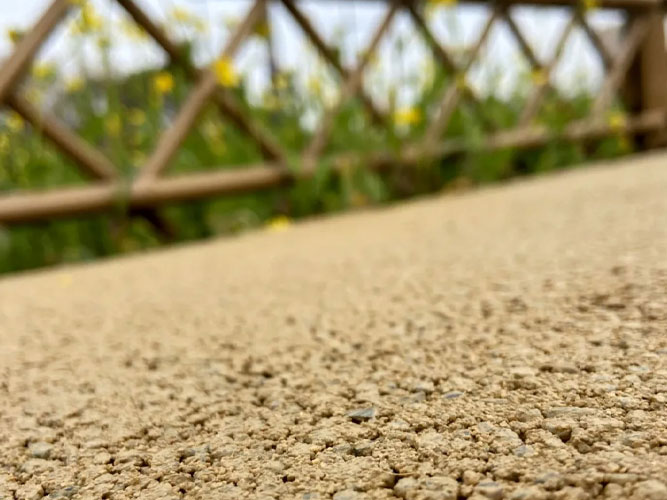
Anti-slip ramp coatings are high-performance surfacing systems applied to inclined pavement surfaces to improve traction and reduce slipping risks. They typically combine resin binders with anti-skid aggregates to create a textured, wear-resistant surface.
Common system materials include:
MMA resin coatings
Epoxy anti-slip systems
Polyurethane coatings
Water-based anti-skid surfacing
Colored ceramic aggregates
High-friction mineral fillers
These materials work together to enhance grip and extend surface life under heavy traffic conditions.
The textured surface significantly increases tire grip, especially on steep ramps or wet surfaces, reducing the risk of vehicle skidding.
Durable resin systems are engineered to withstand heavy vehicle loads, including trucks, forklifts, and continuous traffic movement.
High-quality coatings resist abrasion, impact, UV exposure, and chemical contamination, ensuring long-term performance in demanding environments.
Anti-slip aggregates maintain traction even during rain or moisture exposure, improving safety for both vehicles and pedestrians.
Many modern systems, especially MMA coatings, cure quickly and allow ramps to reopen to traffic in a short time, minimizing operational disruption.
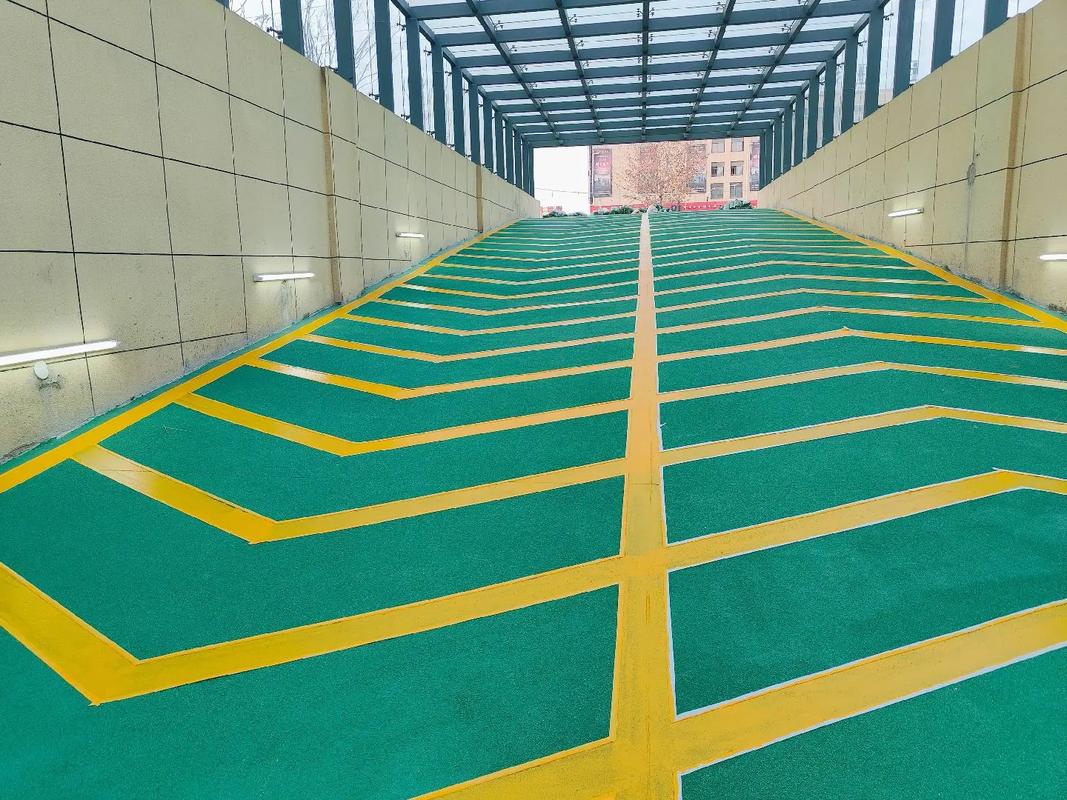
Durable anti-slip ramp coatings are widely used in:
Parking garage ramps
Industrial loading ramps
Logistics and warehouse facilities
Underground parking entrances
Airport service ramps
Commercial complex access roads
Bridge approach ramps
Bus station ramps
Freight terminals
Urban overpass ramps
These environments require strong, reliable surface performance under continuous use.
Ramps are high-risk areas due to slope angles and frequent acceleration or braking. Without proper surfacing, vehicles are more likely to slip, especially in wet or oily conditions.
Anti-slip coatings improve safety by:
Increasing friction on sloped surfaces
Reducing stopping distance
Improving vehicle stability
Enhancing driver control during turns
This makes them a critical safety upgrade for any high-traffic ramp system.
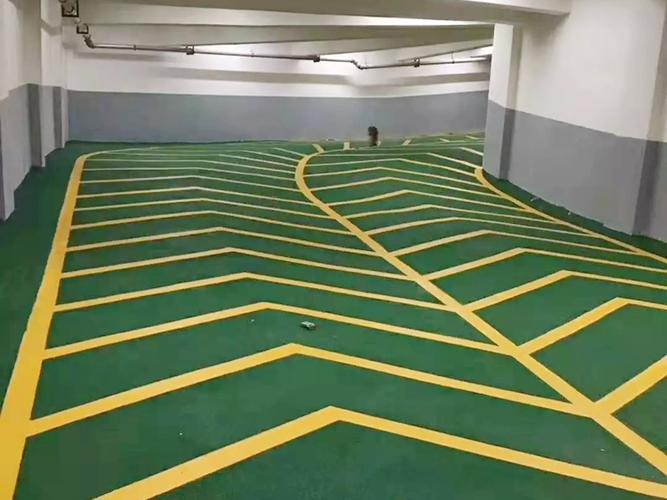
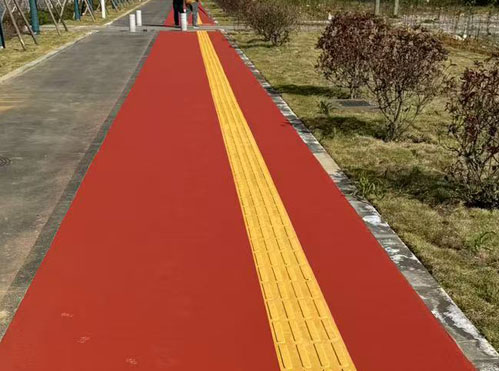
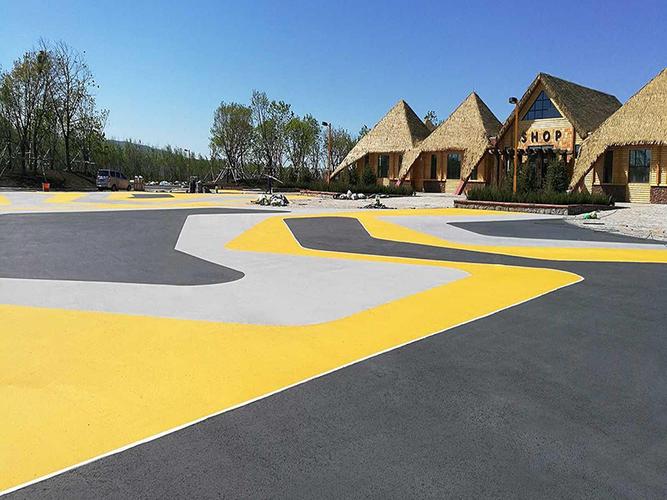
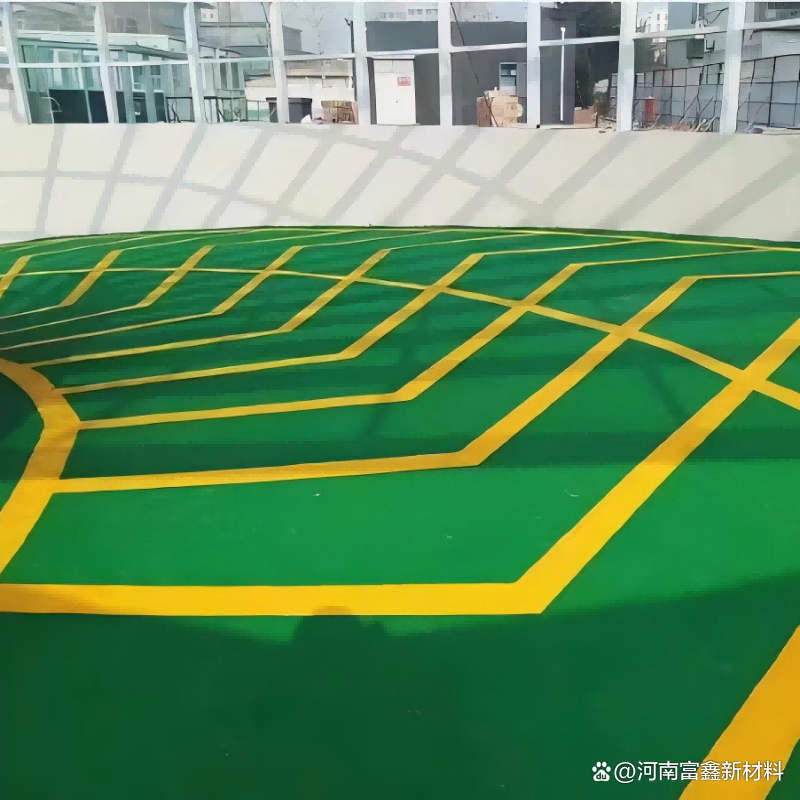
Colored anti-slip ramp coatings are often used to improve visibility and traffic organization:
Red — warning zones and high-risk areas
Yellow — caution and directional guidance
Green — pedestrian or EV access zones
Blue — accessibility-related markings
Gray — standard traffic surface integration
Color coding helps drivers quickly identify ramp functions and safety zones.
Modern ramp coatings often rely on advanced resin technologies:
Extremely fast curing
High durability
Strong bonding to substrates
Ideal for rapid repair projects
High mechanical strength
Excellent chemical resistance
Suitable for long-term industrial use
These systems are widely used in smart infrastructure and commercial developments.
The next generation of anti-slip ramp coatings will focus on:
Eco-friendly low-VOC formulations
Higher friction and wear resistance
Smart reflective or luminous coatings
Faster installation systems
Improved weather adaptability
Sustainable recycled materials
These innovations will further enhance safety and efficiency in heavy traffic environments.
Durable anti-slip ramp coatings are essential for ensuring safety and performance in heavy traffic areas. Their high-friction surfaces, strong durability, and rapid installation capabilities make them ideal for parking structures, industrial facilities, and urban transport ramps.
As infrastructure demands continue to grow, advanced anti-slip coating systems will remain a key solution for improving ramp safety and long-term pavement performance.