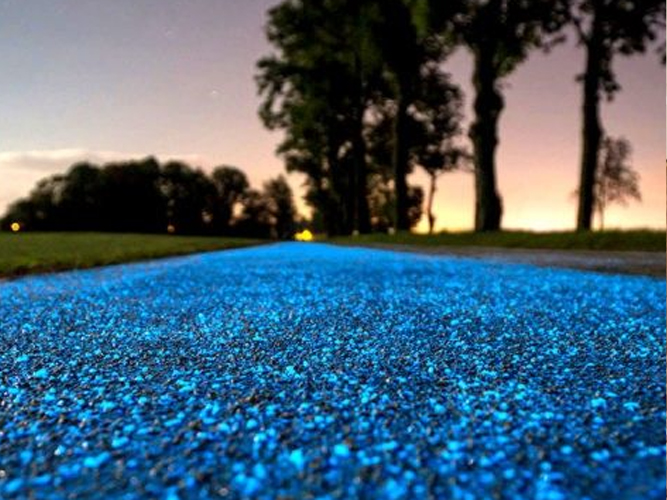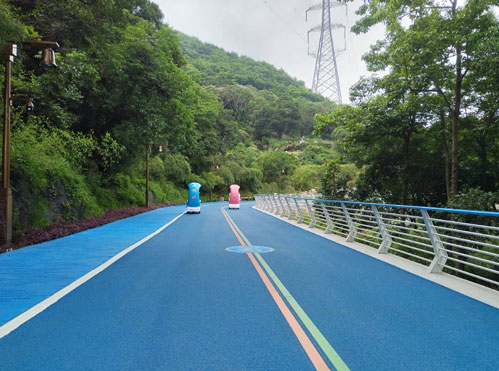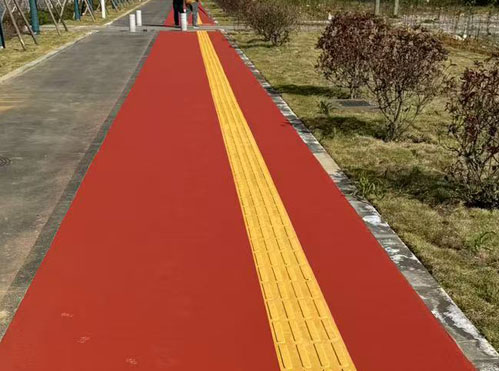
Cities around the world are rapidly adopting colored roads as part of modern transportation and urban design strategies. What was once considered a decorative option is now becoming a practical infrastructure solution. From improving safety to supporting smart mobility systems, colored pavement is reshaping how cities manage traffic and public space.
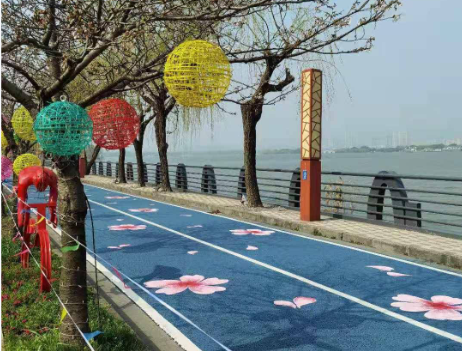
One of the main reasons cities switch to colored roads is safety.
Colored surfaces make it easier for drivers, cyclists, and pedestrians to understand road functions instantly. Instead of relying only on signs or painted lines, the road itself communicates meaning.
Examples:
Red lanes highlight bicycle zones or danger areas
Green lanes guide cyclists or shared paths
Bright crossings increase pedestrian visibility
This reduces confusion and helps prevent accidents, especially in busy urban environments.
Colored roads help cities organize complex traffic systems more efficiently.
They clearly define:
Bike lanes
Bus-only lanes
Pedestrian zones
School safety areas
Shared mobility corridors
This visual separation improves traffic flow and reduces conflicts between different road users, especially in dense city centers.
As cities promote sustainable transport, colored roads play a key role in building safe cycling infrastructure.
They help:
Encourage more people to use bicycles
Create continuous, clearly visible bike networks
Improve safety at intersections and crossings
Reduce reliance on cars in urban areas
This supports broader environmental and public health goals.
Colored roads also transform how cities look and feel.
Instead of uniform gray streets, colored pavement creates:
Visually organized districts
Modern urban landscapes
Stronger city branding
More attractive public spaces
Tourist areas, commercial zones, and parks especially benefit from this visual improvement.
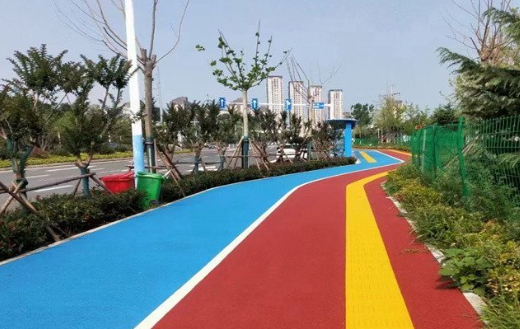
Colored pavement stands out better than traditional asphalt, especially in:
Rain or wet conditions
Nighttime driving
High-traffic intersections
Complex road networks
Improved visibility helps drivers make faster and safer decisions.
Traditional road markings fade over time and require frequent repainting.
Colored roads reduce this issue because:
The color is part of the surface
Visual guidance lasts longer
Maintenance cycles are reduced
This leads to lower long-term operational costs for municipalities.
Cities are increasingly using colored pavement in dangerous or sensitive zones such as:
School zones
Intersections
Bus stops
Curves and ramps
Pedestrian crossings
In these areas, visibility and friction are critical for accident prevention.
Colored roads are also part of smart city planning.
They help integrate:
Multimodal transport systems
Digital traffic management strategies
Urban mobility planning tools
Future-ready infrastructure layouts
This makes cities more efficient and adaptable.
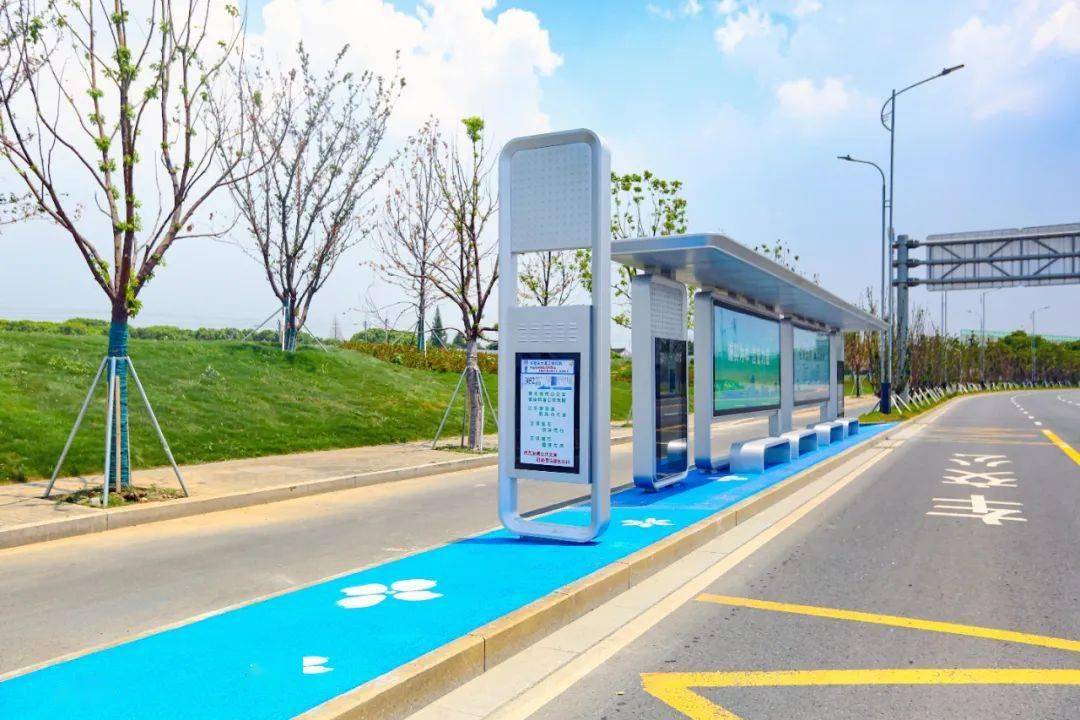
Some colored pavement systems, especially lighter-toned surfaces, can:
Reduce heat absorption
Lower urban heat island effects
Improve walking and cycling comfort
Use low-VOC or water-based materials
These benefits support sustainable urban development.
Cities are switching to colored roads because they deliver a combination of safety, efficiency, sustainability, and visual improvement that traditional gray pavement cannot match. By clearly organizing traffic, improving visibility, and enhancing urban environments, colored pavement has become a key component of modern infrastructure.
As urban mobility continues to evolve, colored roads are expected to play an even larger role in building safer, smarter, and more livable cities.