Reliable Colored Non-Slip Pavement: Features & Application Advantages
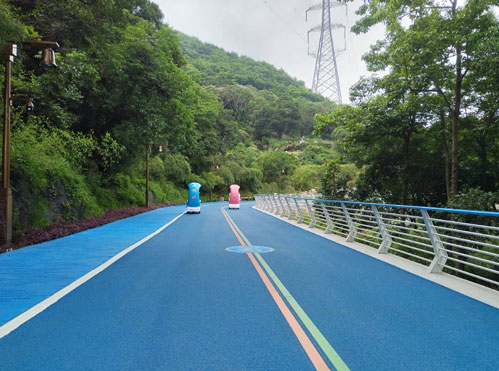
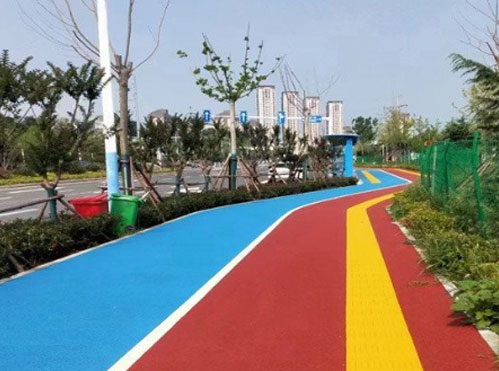
Reliable colored non-slip pavement has become an essential material in modern road engineering, offering a combination of safety enhancement, durability, and visual traffic organization. It is widely used in urban roads, intersections, pedestrian crossings, bicycle lanes, ramps, parking areas, and industrial zones where both traction performance and clear visual guidance are required.
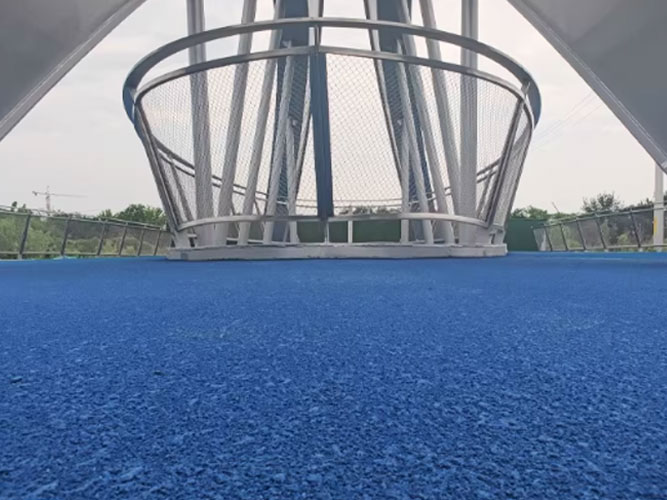
One of the most important features of this system is its high friction performance. The pavement is typically made by combining durable aggregates such as ceramic particles or high-friction minerals with strong binding materials like resin or polymer-modified binders. This creates a textured surface that significantly improves tire grip, reduces skidding risk, and shortens braking distance, especially in rainy or wet conditions.
Another key feature is excellent durability. Reliable colored non-slip pavement is designed to withstand heavy traffic loads, UV exposure, temperature fluctuations, and long-term mechanical wear. Unlike traditional asphalt surfaces that gradually polish and lose texture, high-quality systems maintain their skid resistance and structural integrity over time, reducing maintenance frequency and lifecycle costs.
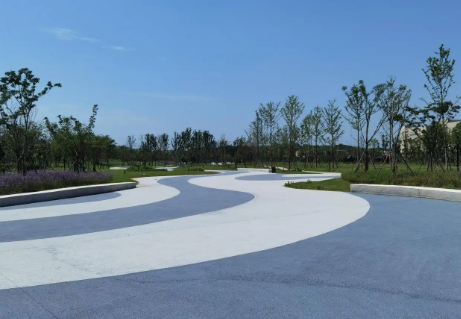
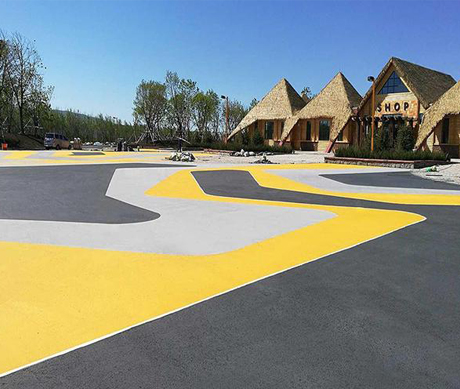
Color stability is also a critical advantage. Advanced inorganic pigments, such as iron oxide-based systems, provide strong resistance to fading caused by sunlight, weather, and chemical exposure. This ensures long-lasting visibility, allowing road markings and functional zones to remain clear and effective for years.
From an application perspective, this pavement offers strong versatility. It can be applied to asphalt, concrete, and existing road surfaces without requiring full reconstruction. This makes it ideal for both new construction projects and renovation works in urban environments where minimizing disruption is important.
Fast installation and curing performance are additional advantages, especially for resin-based or MMA systems. These materials allow rapid application and quick reopening of traffic lanes, making them highly suitable for busy city roads, intersections, and commercial areas where downtime must be minimized.
Modern systems such as Colored Non-Slip Pavement System are widely used due to their balance of safety performance, construction efficiency, and long-term stability.
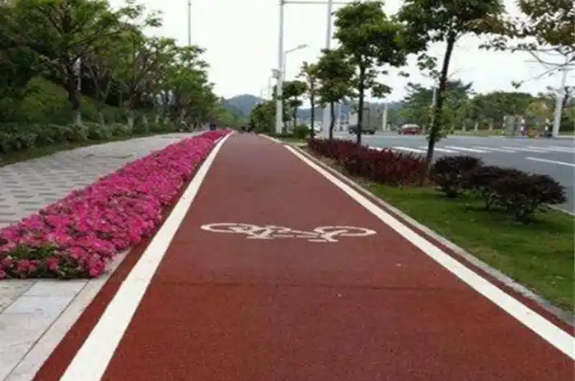
In addition, environmental performance has improved significantly. Many formulations now use low-VOC or eco-friendly technologies that reduce environmental impact during installation while still delivering strong mechanical and frictional properties. This supports sustainable urban development and green infrastructure initiatives.
Overall, reliable colored non-slip pavement provides a complete solution for modern road safety challenges. It enhances traction, improves traffic visibility, reduces accident risk, and supports efficient urban traffic management, making it a key material in contemporary transportation infrastructure design.