Choosing colored pavement isn't just about picking a color — it's about durability, safety, and total cost. Here's what matters:
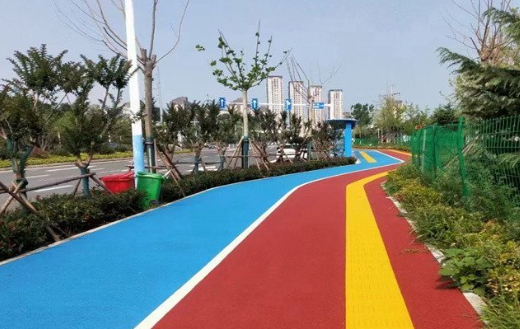
1. Material Type
Colored asphalt suits bike lanes; colored concrete works for sidewalks; ceramic particle surfaces are best for high-traffic zones. Match the material to the job.
2. Binder Quality
Polyurethane (PU) is now the industry standard — flexible, UV-resistant, strong bond. Epoxy cracks in cold climates. Acrylic degrades fast. Check that bond strength meets JT/T 712-2008 standard.
3. Color Durability — Body vs. Surface
This is the #1 regret. Body-colored ceramic particles (fired at 1200°C+) last 8–15 years. Surface-dyed fades in 1–3 years. Scratch test: same color underneath = body-colored. Different color = surface-dyed. Avoid the latter.
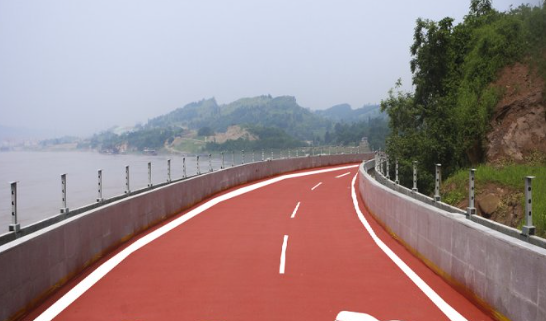
4. Anti-Slip Performance
Non-negotiable for pedestrian zones. Look for Mohs hardness ≥ 6 and Taber abrasion data. Low-quality particles polish smooth in months.
5. Certifications
Don't trust self-declared "green" labels. Verify CNCA certification and request VOC test reports. Low odor ≠ non-toxic.
6. Supplier Evaluation
One-stop service (material + construction) usually wins on total cost. Material-only saves 5–10% upfront but costs 2–3× more in repairs. Always visit completed projects over 3 years old.
Bottom line: The cheapest option is almost never the cheapest. Buy the system — binder + aggregate + application — not just the color.