Road Anti-Skid Materials for Bridges, Ramps, and Slopes
Bridges, ramps, and slopes are among the most dangerous sections of any road network. These areas are highly sensitive to weather conditions, especially rain, ice, and humidity. Because vehicles experience changes in speed, direction, and load distribution, Road anti-skid materials are essential for maintaining traction and preventing accidents.
Why These Areas Need Special Anti-Skid Protection
Unlike flat road sections, bridges and ramps have unique risk factors:
Higher chance of water accumulation and drainage issues
Increased braking and acceleration forces
Steeper gradients on slopes and ramps
Wind exposure on elevated bridge structures
Sudden friction changes at entry and exit points
These conditions significantly increase the risk of skidding and loss of control.
How Road Anti-Skid Materials Improve Safety
Road anti-skid materials enhance safety by increasing surface friction and maintaining stable tire grip under dynamic conditions.
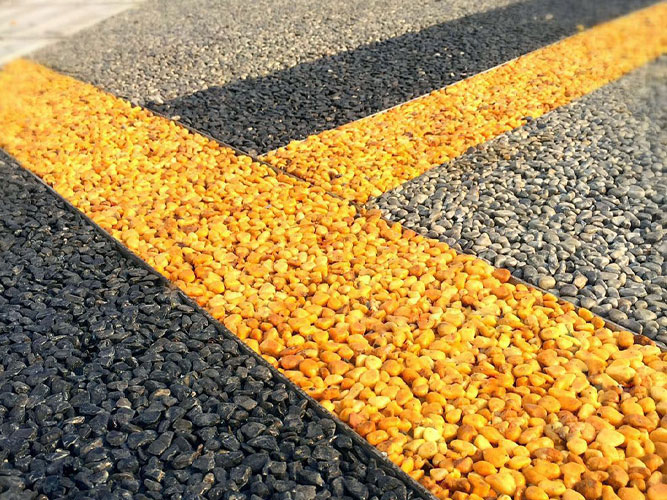
First, they create a high-friction textured surface using hard aggregates such as ceramic particles, basalt, or calcined materials. These aggregates improve grip even when the road is wet.
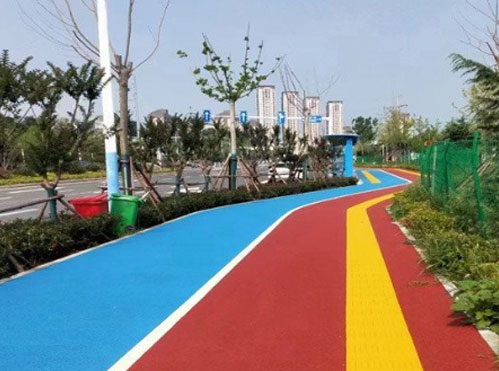
Second, resin or polymer binding systems securely fix the aggregates to the pavement, ensuring long-term durability under heavy braking forces commonly seen on ramps and bridge decks.
Third, they improve water drainage performance, reducing hydroplaning risk by preventing water film buildup on the surface.
Types of Anti-Skid Materials Used in Bridges, Ramps, and Slopes
Different systems are selected based on structural stress and environmental exposure:
High-Friction Surface Treatments (HFST)
Used in critical zones like sharp curves on ramps and bridge approaches. They offer extremely high skid resistance and fast safety improvement.
Ceramic Aggregate Anti-Skid Systems
Provide long-lasting durability and stable friction performance. Commonly used on bridge decks and urban ramps.
Epoxy Resin Anti-Skid Coatings
Offer strong bonding strength and resistance to moisture and temperature changes, ideal for bridge surfaces and tunnel entrances.
Polymer-Modified Micro-Surfacing
Used for slope maintenance and large ramp areas where cost-effective resurfacing is needed.
Key Safety Benefits
The use of road anti-skid materials in these areas provides important safety improvements:
Shorter braking distance on downhill ramps
Better traction during uphill acceleration
Reduced hydroplaning on bridge surfaces
Improved stability in sharp curves and slopes
Lower accident risk in wet or icy conditions
Additional Functional Advantages
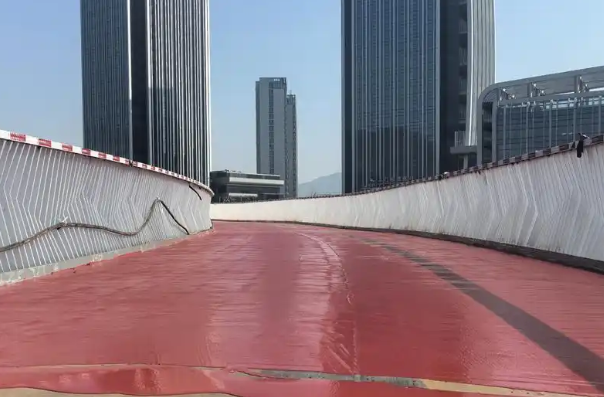
Modern anti-skid systems also improve:
Long-term surface durability under heavy loads
Resistance to weathering and UV exposure
Reduced maintenance frequency and cost
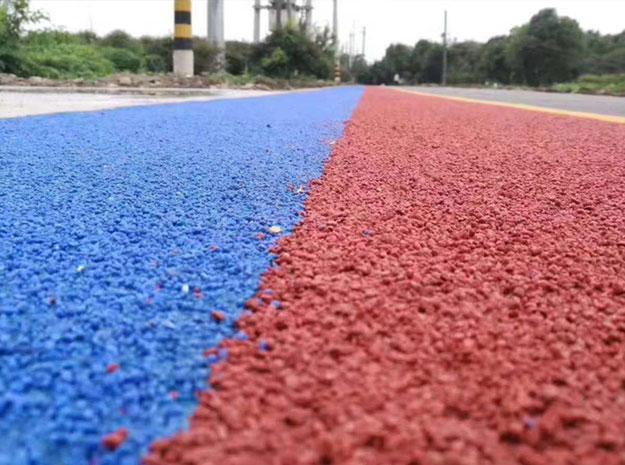
Better visibility when combined with colored surfaces
Conclusion
Road anti-skid materials are essential for bridges, ramps, and slopes because these areas experience the highest risk of vehicle instability. By increasing friction, improving drainage, and enhancing surface durability, these materials significantly reduce accidents and ensure safer driving conditions in some of the most challenging parts of modern road networks.