As cities and transportation agencies focus more on road safety, urban aesthetics, and sustainable infrastructure, colored pavement has become an increasingly popular alternative to traditional black asphalt. But which option performs better? The answer depends on the project's goals, budget, and functional requirements.
Traditional pavement typically consists of black asphalt or concrete surfaces designed primarily for durability and load-bearing performance. It has been the standard choice for highways, streets, parking lots, and industrial areas for decades due to its reliability and cost-effectiveness.
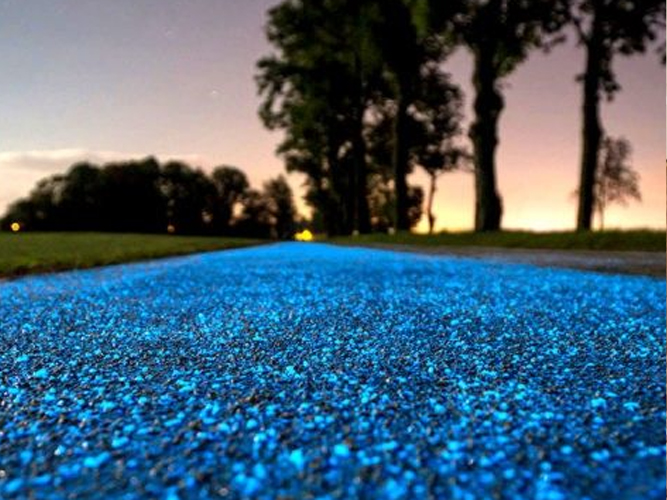
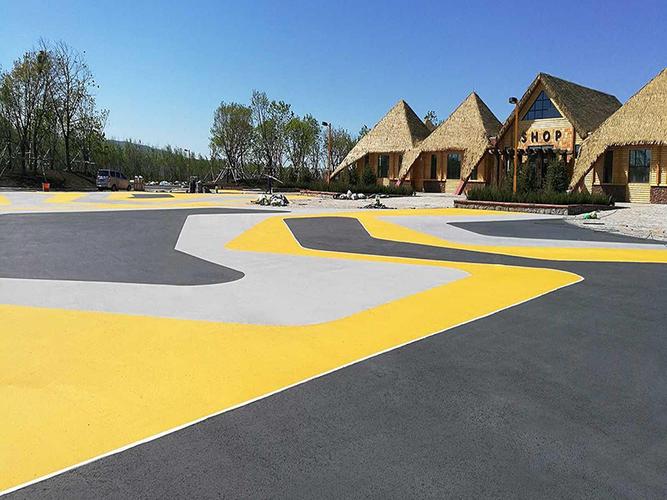
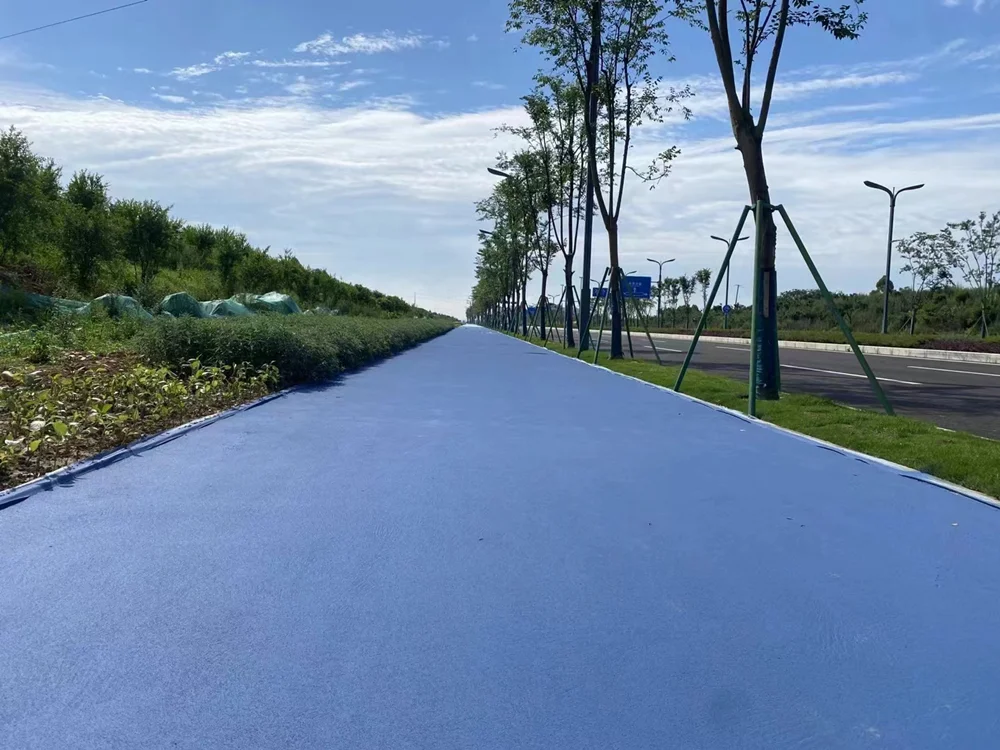
Colored pavement uses pigments, colored aggregates, resin-based coatings, or specialized asphalt binders to create visually distinctive road surfaces. Common colors include red, green, blue, yellow, and brown, each serving specific traffic management or aesthetic purposes.
When it comes to safety, colored pavement often has the advantage.
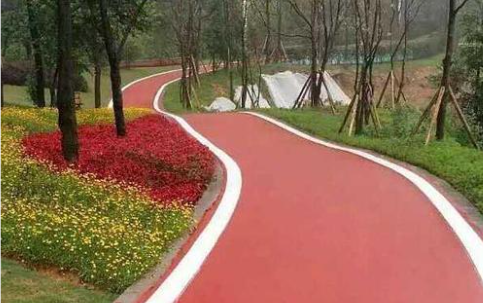
Colored surfaces help drivers, cyclists, and pedestrians quickly recognize designated traffic zones. Red bike lanes, green cycling routes, and colored pedestrian crossings improve visibility and reduce traffic conflicts.
Many colored pavement systems also incorporate high-friction aggregates that provide superior skid resistance, especially in wet conditions.
Winner: Colored Pavement
Traditional asphalt is known for its long service life and ability to withstand heavy traffic loads. However, modern colored pavement systems have significantly improved in durability through the use of advanced polymers, MMA resins, and high-performance aggregates.
For highways and heavy industrial roads, traditional pavement may still offer a slight advantage. For urban streets, bike lanes, and public spaces, high-quality colored pavement performs exceptionally well.
Winner: Tie, depending on application

Traditional pavement generally has lower initial installation costs because it uses conventional materials and construction methods.
Colored pavement requires pigments, specialty binders, or resin coatings, resulting in higher upfront investment. However, the added safety benefits and reduced accident risks can provide long-term value.
Winner: Traditional Pavement
Traditional asphalt offers a uniform appearance but limited design flexibility.
Colored pavement can transform ordinary roads into attractive public spaces, enhancing city branding, tourism areas, parks, campuses, and commercial districts.
Winner: Colored Pavement
Colored pavement excels in traffic organization. Different colors can identify bicycle lanes, bus lanes, pedestrian areas, school zones, and warning sections. This visual guidance improves road efficiency and user awareness.
Traditional pavement relies mainly on painted markings, which may fade more quickly than integrated colored surfacing systems.
Winner: Colored Pavement
Modern colored pavement technologies increasingly use water-based materials and low-VOC coatings. Certain light-colored pavements can also reduce surface temperatures and help mitigate urban heat island effects.
Traditional black asphalt absorbs more solar radiation, contributing to higher pavement temperatures.
Winner: Colored Pavement
Highways
Heavy-duty industrial roads
Freight corridors
Large parking facilities
Major transportation routes
Bicycle lanes
Pedestrian walkways
Bus priority lanes
School zones
Parks and recreational areas
Scenic roads
Urban commercial districts
Traffic calming zones
There is no universal winner because both pavement types serve different purposes. Traditional pavement remains the most economical and practical choice for heavy-traffic transportation networks. However, colored pavement clearly outperforms traditional pavement in safety, visibility, traffic management, and urban aesthetics.
For modern cities seeking safer and more attractive infrastructure, colored pavement is often the preferred solution. For heavy-load roads where appearance and traffic guidance are less critical, traditional pavement continues to be the most cost-effective option.
In many projects, the best approach is not choosing one over the other, but combining traditional pavement with strategically applied colored pavement to achieve both durability and enhanced road safety.