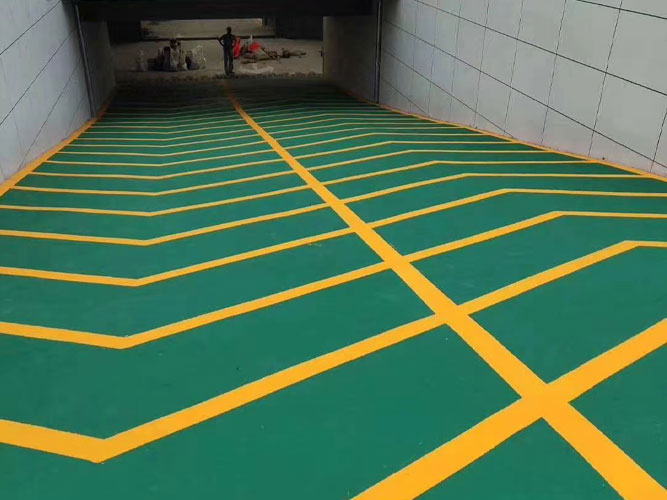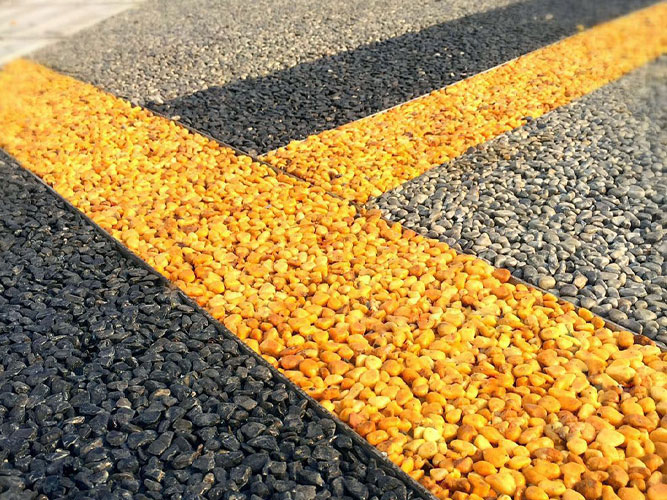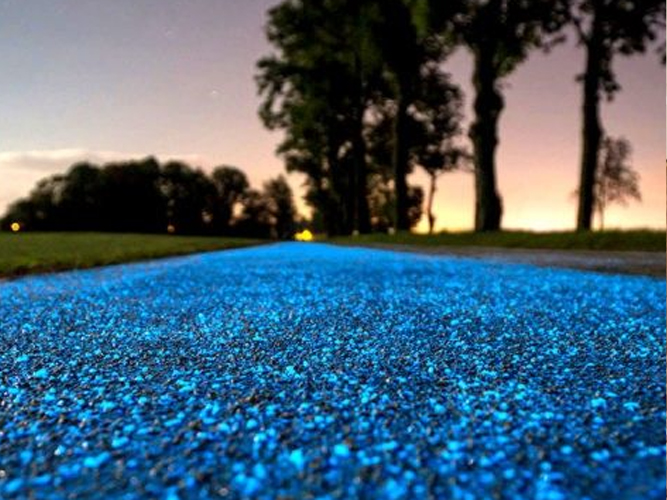
Urban planners and landscape designers are increasingly adopting colored anti-slip pavement to enhance pedestrian streets and scenic roads. This innovative pavement solution combines safety, durability, and aesthetic appeal, making it ideal for areas with high foot traffic, tourism zones, parks, and urban recreational spaces. By improving traction and creating visually attractive surfaces, colored anti-slip pavement contributes to both functional and aesthetic urban design.
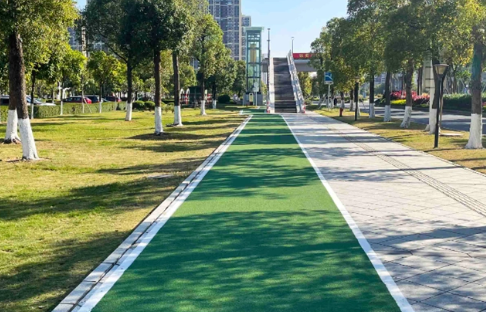
Safety is a key consideration for pedestrian streets and scenic roads. Colored anti-slip pavement incorporates high-friction aggregates and durable resin binders, providing excellent skid resistance under both dry and wet conditions. This minimizes the risk of slips, falls, and accidents for pedestrians, cyclists, and maintenance vehicles. Sloped areas, crosswalks, and winding scenic routes benefit particularly from enhanced traction, ensuring safer movement for all users.
Durability is another important advantage. Pavement materials such as MMA, epoxy, or polyurethane combined with ceramic or quartz aggregates are designed to withstand heavy pedestrian loads, environmental exposure, and frequent cleaning. This ensures that the anti-slip surface maintains its performance and visual appeal over time, reducing long-term maintenance costs and providing a reliable solution for busy urban or tourist areas.
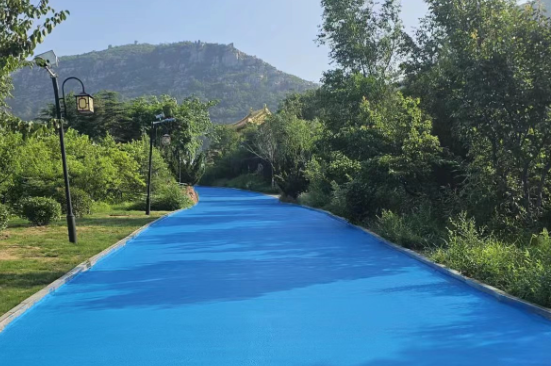
Visual appeal is a major benefit of colored anti-slip pavement. Bright, vibrant colors can be used to guide pedestrians, define walking zones, highlight crossings, or indicate scenic paths. The color not only enhances aesthetics but also improves spatial organization, allowing visitors to navigate streets and scenic routes safely and intuitively. In tourism areas, decorative patterns and color coordination can complement the surrounding landscape, creating a more engaging and enjoyable pedestrian experience.
Flexibility and adaptability make colored anti-slip pavement suitable for a wide range of projects. It can be applied over existing concrete or asphalt surfaces, making renovation simple and cost-effective. Fast-curing systems also minimize disruption, allowing pedestrian streets and scenic roads to remain open or reopen quickly after construction.
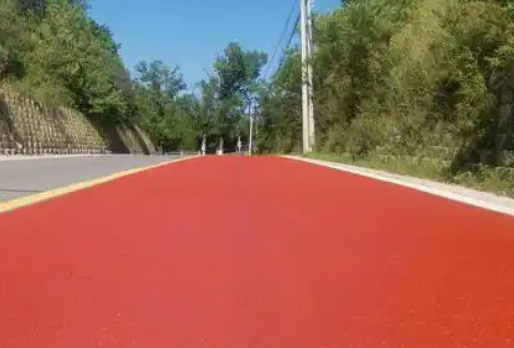
Environmental considerations are increasingly important in urban planning. Many colored anti-slip pavements use eco-friendly, low-VOC materials and can incorporate porous surfaces for improved drainage. Some systems also reduce heat absorption, contributing to cooler and more comfortable walking environments.
In conclusion, colored anti-slip pavement projects for pedestrian streets and scenic roads offer a combination of safety, durability, visual appeal, and environmental performance. They provide secure and attractive surfaces for pedestrians while enhancing the overall experience of urban and scenic areas, making them a preferred choice for modern city planning and tourism infrastructure.