As urban areas continue to grow and traffic density increases, cities are under pressure to improve road safety, pedestrian protection, and transportation efficiency. One solution that has gained significant attention is the use of colored anti-slip surfaces. These systems combine high-friction pavement technology with visually distinctive colors, making them highly effective for modern urban infrastructure.
Colored anti-slip surfaces are widely used in bike lanes, pedestrian crossings, intersections, bus lanes, parks, and public spaces where both safety and visibility are essential.
Colored anti-slip surfaces are specialized pavement systems designed to improve surface friction while providing strong visual identification. They are typically made using resin binders, high-friction aggregates, pigments, or modified asphalt systems.
Common systems include:
MMA colored anti-slip pavement
Waterborne SP anti-slip coatings
High friction colored surfacing (HFS)
Colored micro surfacing systems
Resin-based textured pavement systems
These materials are engineered to deliver both functional safety performance and long-lasting color stability.
The primary benefit of colored anti-slip surfaces is enhanced safety for drivers, cyclists, and pedestrians.
High-friction textures help:
Reduce vehicle skidding during braking
Improve tire grip in wet conditions
Increase stability on curves and slopes
Lower accident risks at intersections
Enhance control in emergency braking situations
When combined with bright colors, these surfaces also improve visual awareness, helping road users quickly identify high-risk zones.
Colored anti-slip surfaces play a key role in urban traffic organization by clearly defining different road functions. The strong color contrast improves visibility in both daytime and nighttime conditions.
Typical applications include:
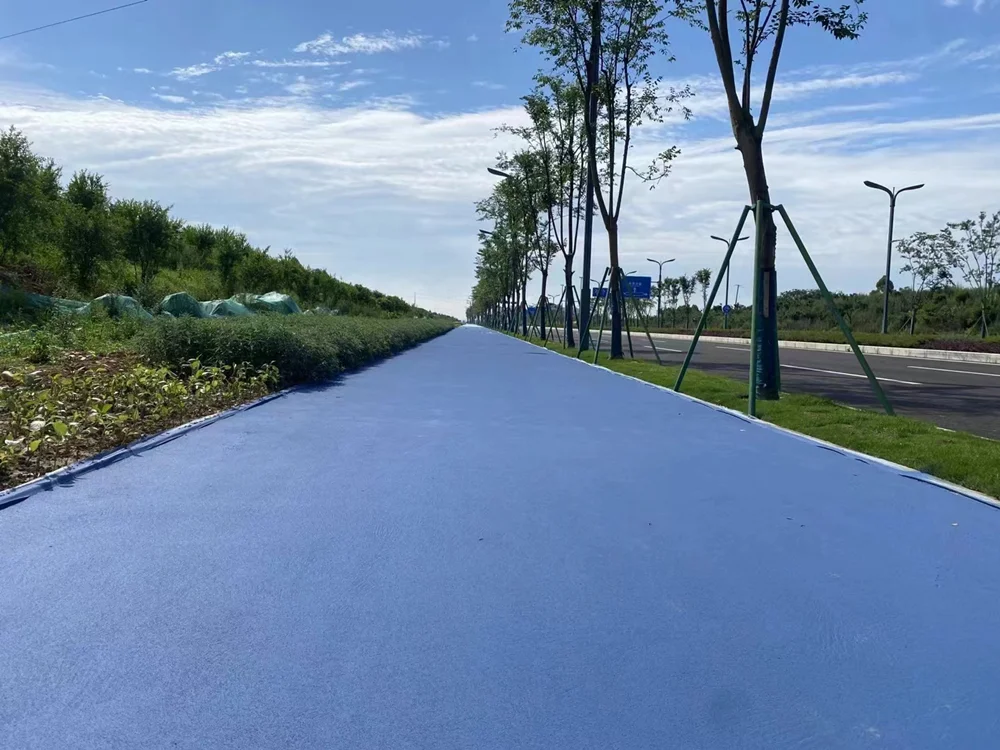
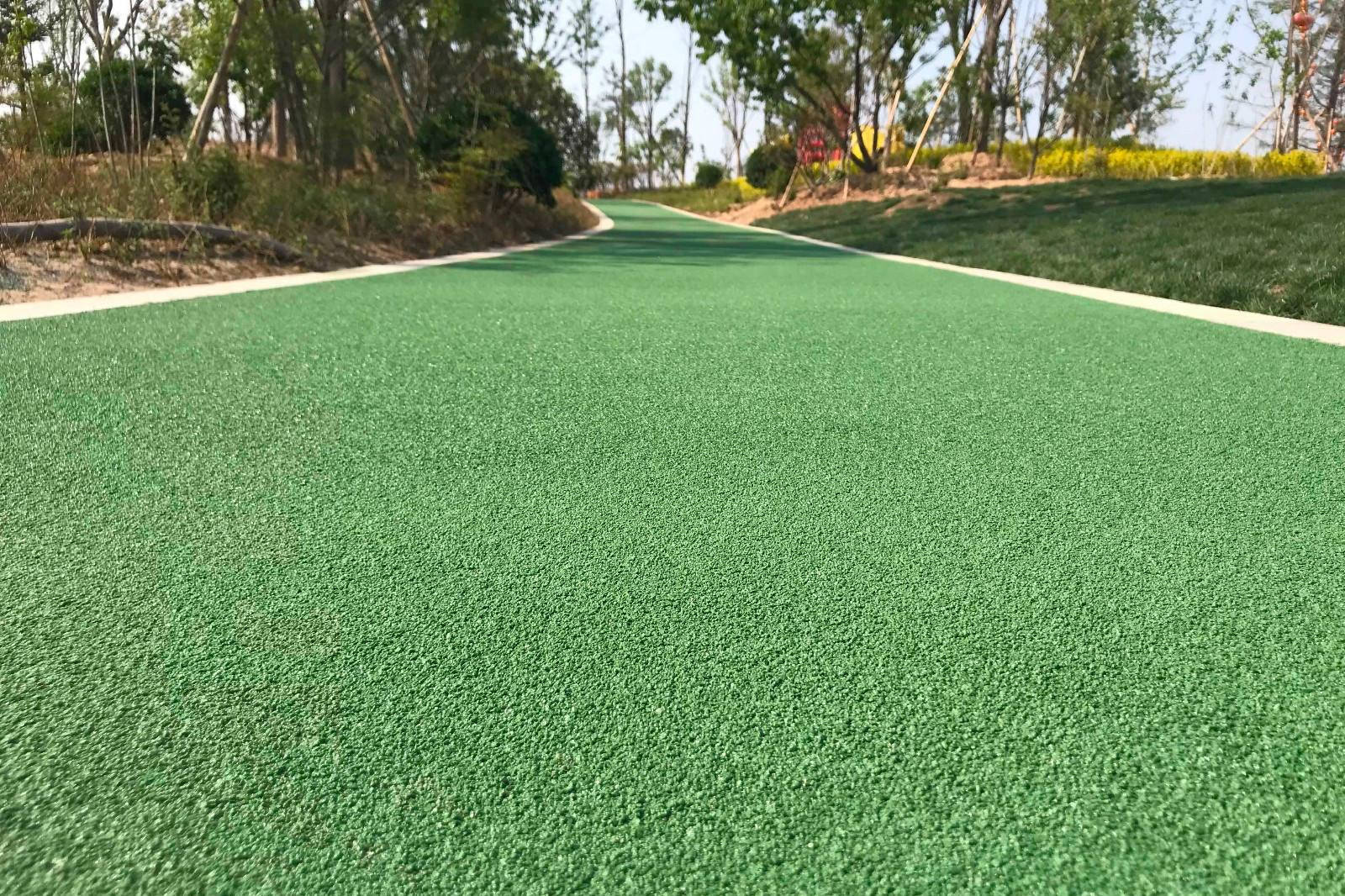
Green bike lanes
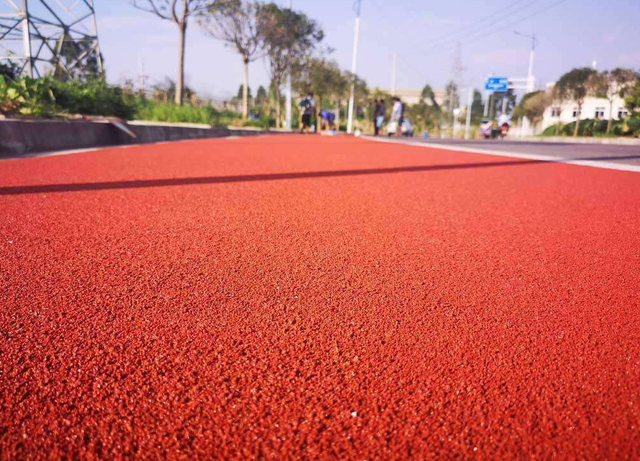
Red bus lanes
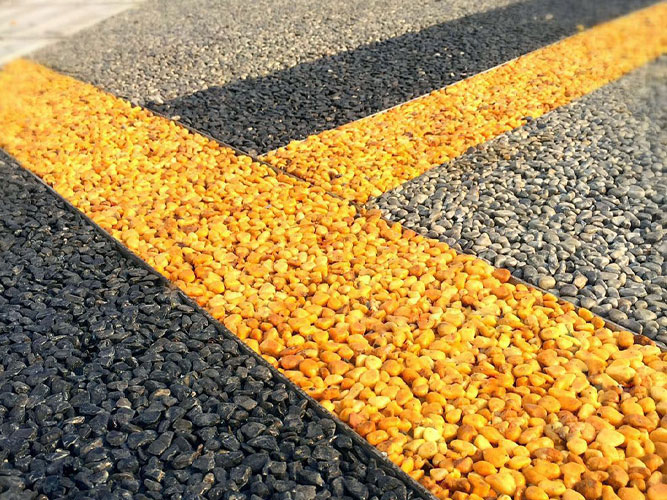
Yellow warning zones
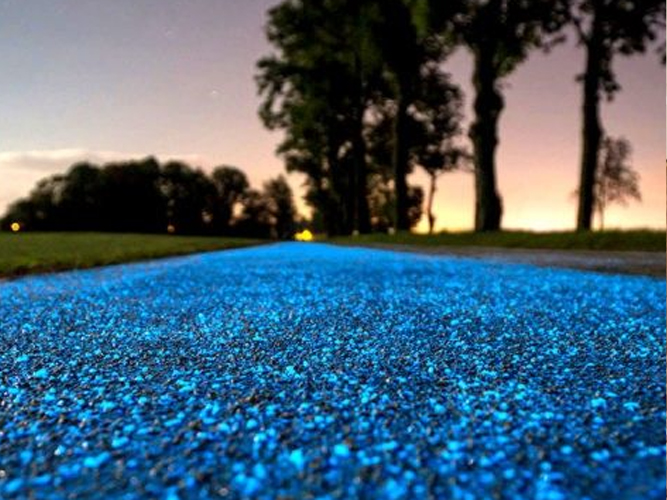
Blue parking areas
Bright crosswalks and pedestrian zones
This visual separation helps reduce confusion, improve traffic flow, and guide road users more effectively.
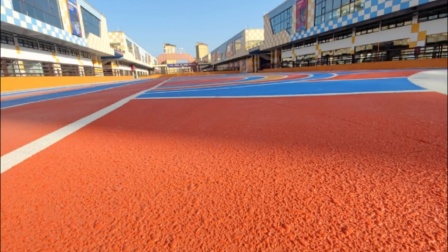
Pedestrian safety is a major concern in busy urban environments. Colored anti-slip surfaces are especially effective in high-footfall areas where slip risks and vehicle interactions are frequent.
They are commonly used in:
Crosswalks
School zones
Transit stations
Shopping districts
Public plazas
Tourist areas
The anti-slip texture reduces slipping hazards, while the color improves pedestrian visibility to drivers.
Weather conditions such as rain, fog, and snow significantly increase accident risks. Colored anti-slip surfaces are designed to maintain strong friction performance even in challenging environments.
Key advantages include:
High wet-weather skid resistance
Reduced hydroplaning risk
Stable performance under temperature changes
Long-term surface texture retention
This makes them highly suitable for cities with variable climates and heavy rainfall.
Modern colored anti-slip systems are engineered for durability under continuous traffic stress. Advanced materials such as MMA resin and high-strength aggregates provide long service life and strong adhesion to existing surfaces.
Benefits include:
Resistance to heavy traffic wear
UV and weather resistance
Strong bonding to asphalt and concrete
Low maintenance requirements
Long-term color stability
This reduces lifecycle maintenance costs for municipalities.
Many colored anti-slip systems are designed for quick application and fast curing, especially MMA-based solutions. This allows roads to reopen quickly after construction.
Advantages include:
Short curing time
Reduced road closure periods
Efficient maintenance operations
Suitable for emergency resurfacing
This is particularly important in busy urban areas where traffic disruption must be minimized.
Colored anti-slip surfaces also contribute to greener and more sustainable city infrastructure. Many modern systems use low-emission, water-based, or environmentally friendly materials.
Sustainability benefits include:
Low VOC emissions
Reduced environmental impact
Longer service life reduces material waste
Compatibility with eco-friendly urban projects
They align well with smart city and sustainable transportation goals.
Beyond safety and performance, colored anti-slip surfaces improve the visual quality of urban environments. They help create organized, modern, and visually appealing public spaces.
They are often used in:
City centers
Waterfront developments
Commercial districts
Cultural and tourism zones
Urban parks and promenades
This combination of functionality and aesthetics makes them ideal for modern city planning.
Colored anti-slip surfaces are widely applied across various transportation and public infrastructure systems:
Bicycle lanes and cycling corridors
Pedestrian crossings and walkways
Bus rapid transit lanes
Intersections and roundabouts
Parking lots and commercial zones
Public squares and recreational areas
As cities continue to evolve toward smarter and safer infrastructure, colored anti-slip surfaces will play an increasingly important role. Future developments are expected to focus on:
More durable high-friction materials
Eco-friendly pavement technologies
Smart traffic safety integration
Improved color stability and reflectivity
Lower maintenance surface systems
Colored anti-slip surfaces are no longer just an optional upgrade—they are becoming a core element of modern urban infrastructure, helping cities build safer, more efficient, and more visually organized transportation environments.