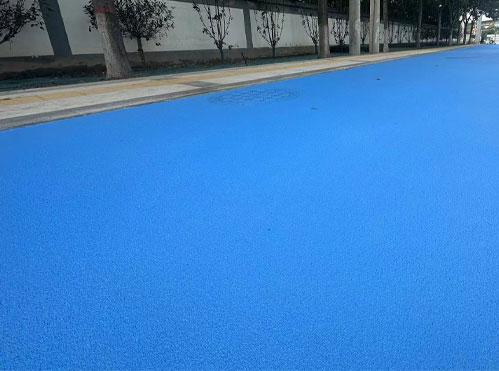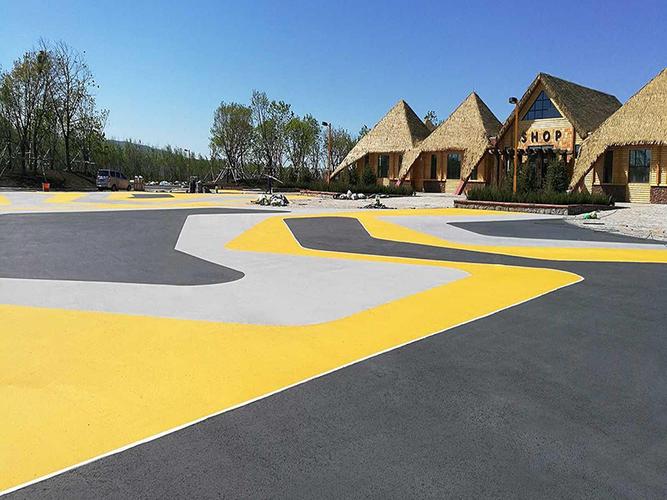
Polymer modified colored micro-surfacing is an advanced pavement technology designed to improve road durability, skid resistance, and visual guidance in urban and highway environments. It combines polymer-modified emulsified asphalt with high-quality aggregates, mineral fillers, and stable color pigments to create a thin yet highly durable surface layer. This system is widely used on city roads, intersections, bicycle lanes, bus lanes, parking areas, bridges, and other high-traffic zones.
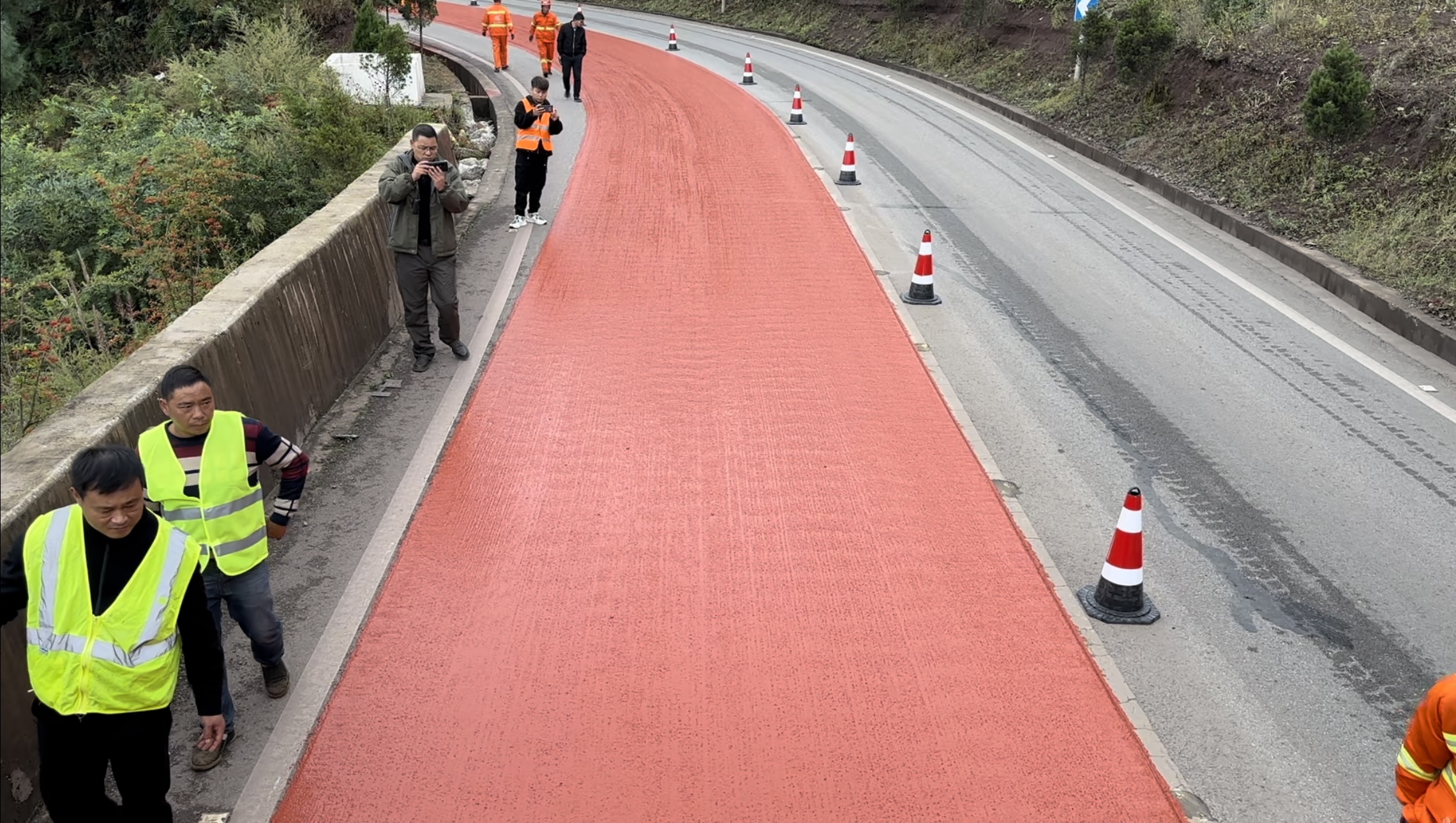
One of the key advantages of this system is its strong durability. The addition of polymers significantly improves the flexibility, adhesion, and resistance of the asphalt binder. As a result, the micro-surfacing layer can better withstand heavy traffic loads, temperature changes, and long-term weather exposure without cracking or peeling. It also helps extend the service life of existing pavements by protecting the underlying structure.
Another important feature is excellent skid resistance. The rough surface texture formed by carefully graded aggregates increases friction between tires and the road surface. This improves vehicle stability and reduces braking distance, especially in wet or slippery conditions. Therefore, it is highly suitable for intersections, curves, ramps, and areas with frequent stopping and turning movements.
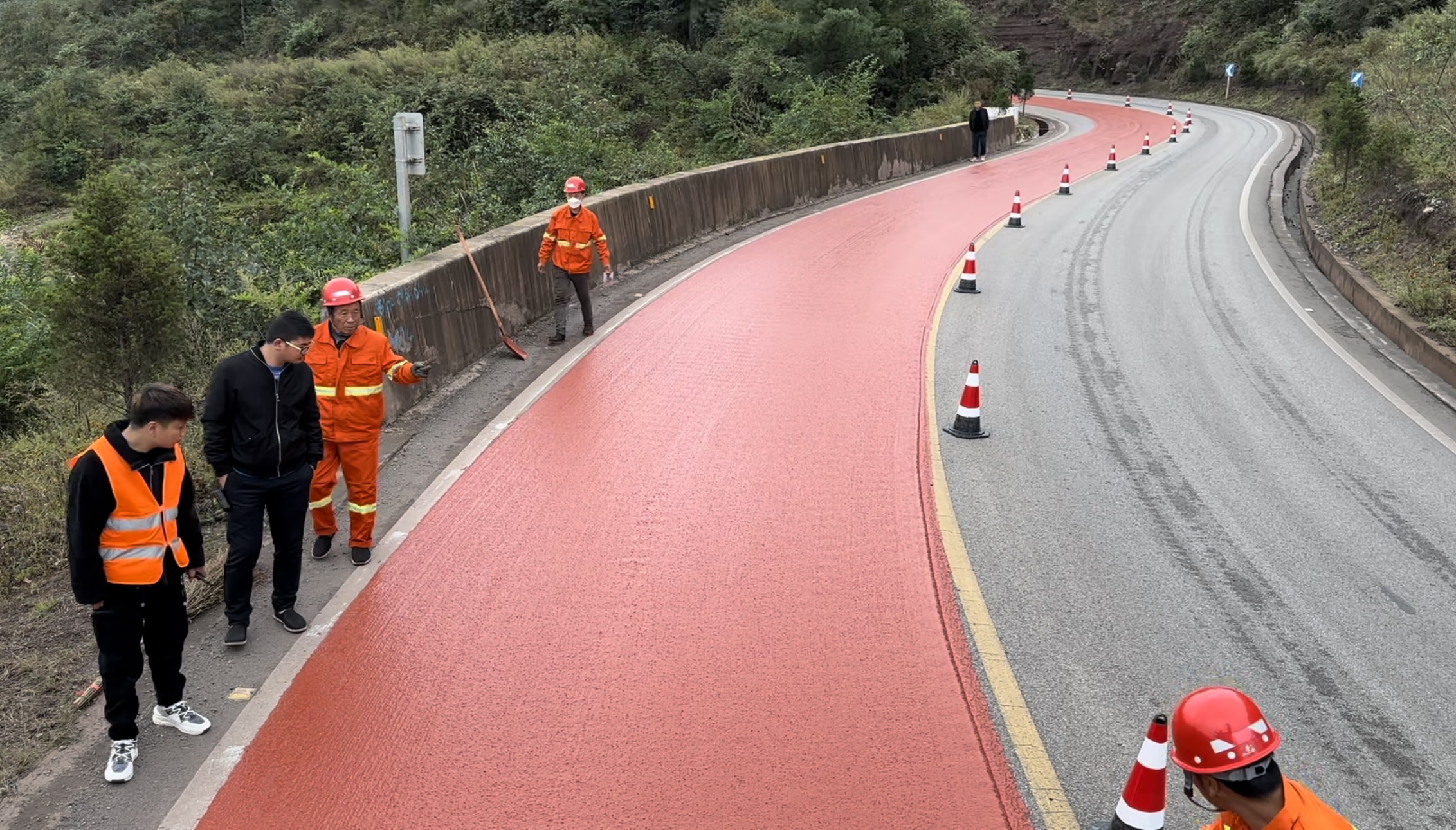
Color functionality is also a major benefit of polymer modified micro-surfacing. By incorporating durable pigments, the pavement can be produced in red, green, blue, or other customized colors. These colors help define traffic zones, guide road users, and improve overall visibility. For example, green surfaces are often used for bicycle lanes, while red is applied to high-risk or warning areas.
In addition, this system supports fast construction and minimal traffic disruption. It can be applied quickly and cures in a short period, allowing roads to reopen in a timely manner. This makes it especially suitable for urban maintenance projects where traffic efficiency is critical.
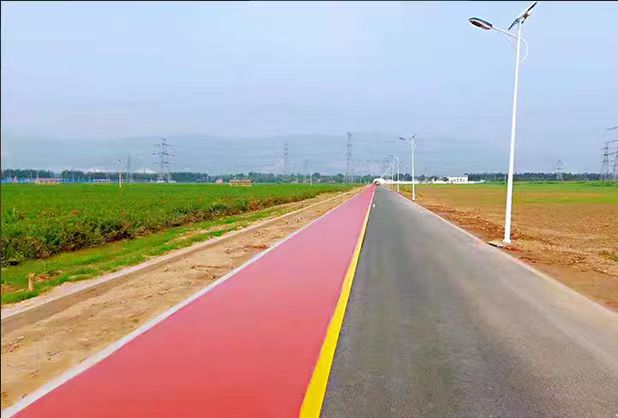
Modern formulations are also environmentally friendly, using emulsified asphalt technology that reduces emissions and energy consumption compared with traditional hot-mix asphalt. This aligns with sustainable development goals in modern infrastructure projects.
Overall, polymer modified colored micro-surfacing provides a durable, safe, and visually effective solution for modern pavement engineering, combining long-lasting performance with improved traffic safety and urban design functionality.