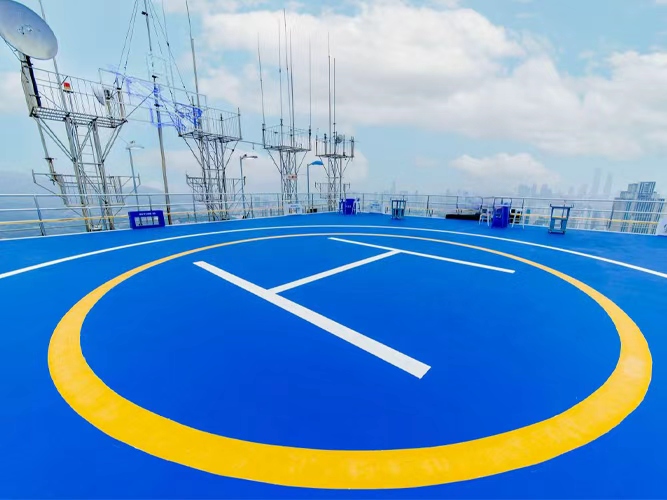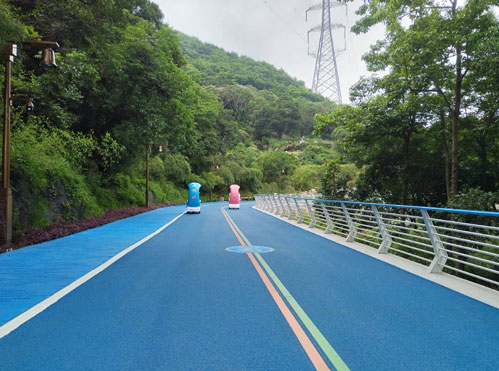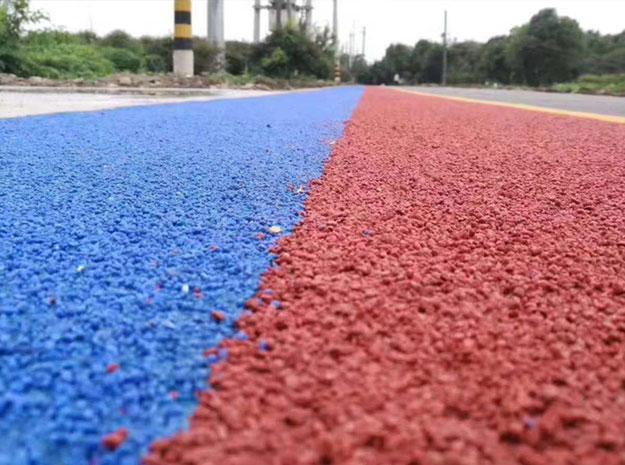
As cycling becomes an increasingly popular mode of transportation, cities are investing in infrastructure that improves safety and encourages more people to ride. One of the most effective solutions is colored bike lane pavement. By creating highly visible and clearly defined cycling routes, colored pavement helps reduce conflicts between cyclists, motorists, and pedestrians while improving overall traffic organization.
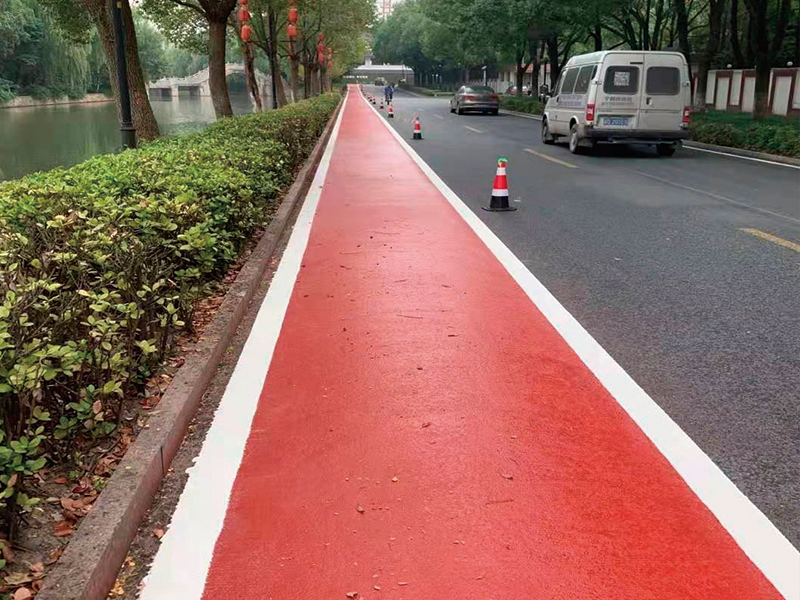
Traditional asphalt bike lanes can blend into surrounding road surfaces, making them difficult for drivers to recognize. Colored bike lane pavement creates a strong visual contrast that immediately identifies dedicated cycling space. Bright colors such as green, red, or blue help motorists notice bike lanes from a greater distance, improving awareness and reducing the risk of accidents.
This enhanced visibility is particularly valuable at intersections, road crossings, and areas with heavy traffic.
One of the primary benefits of colored bike lanes is the clear distinction between cycling areas and vehicle lanes. When road users can easily identify dedicated spaces, there is less confusion and fewer conflicts.
Colored pavement helps:
Define bicycle-only routes
Separate cyclists from motor vehicles
Guide cyclists through complex intersections
Improve traffic flow and organization
Reduce illegal vehicle encroachment into bike lanes
Clearly marked lanes create a safer environment for everyone using the road.
Colored bike lane pavement acts as a visual warning that cyclists may be present. Drivers naturally become more cautious when entering or crossing colored sections of roadway, leading to better yielding behavior and increased attention.
This additional awareness is especially important in areas where bicycle traffic frequently interacts with motor vehicles, such as:
Intersections
Roundabouts
School zones
Downtown streets
Parking lot entrances and exits
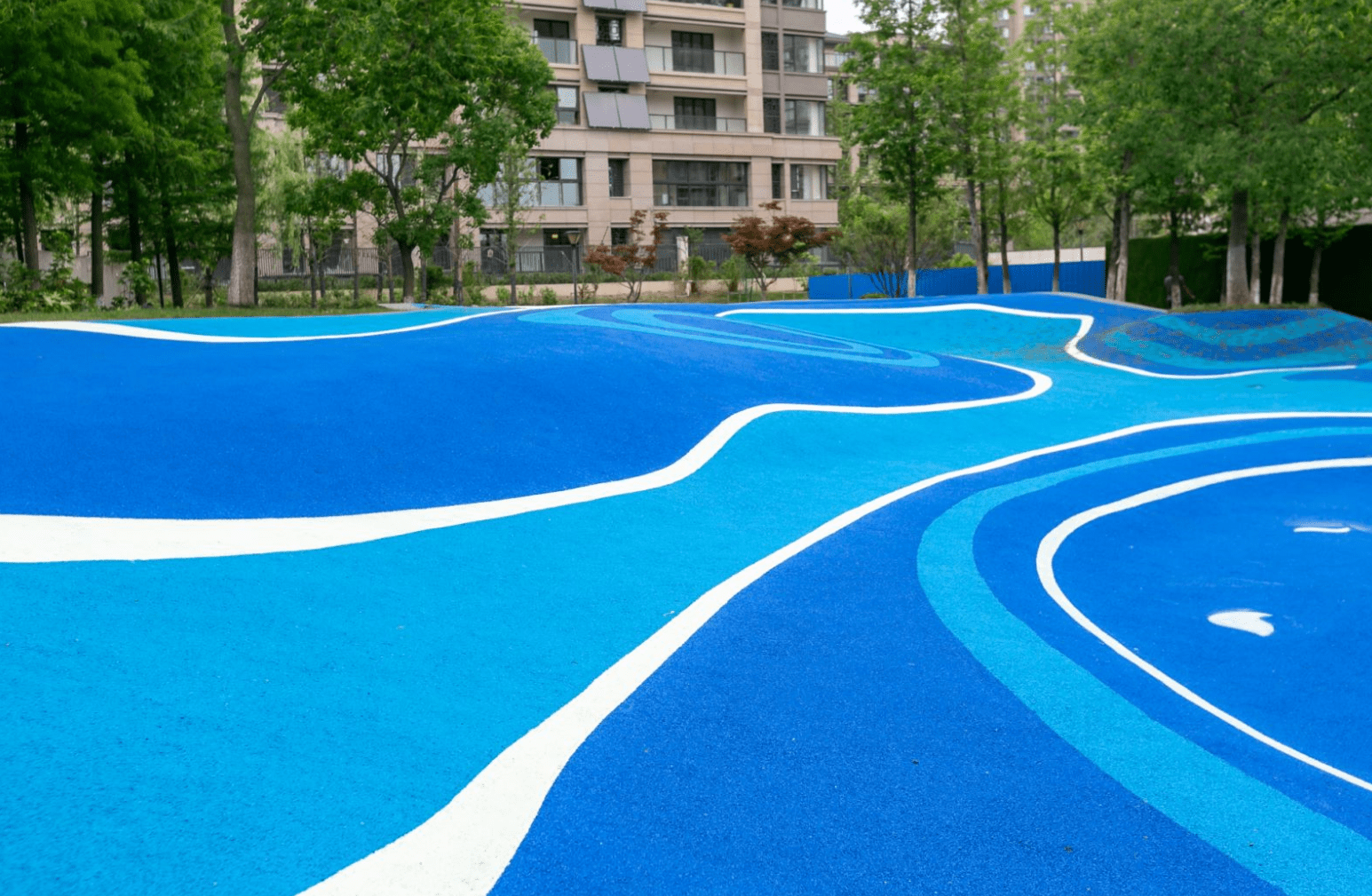
Intersections are among the highest-risk locations for bicycle accidents. Colored pavement highlights potential conflict zones and helps both cyclists and drivers recognize shared crossing areas.
By extending colored bike lane markings through intersections, cities can improve lane continuity and reduce uncertainty about cyclist right-of-way. This helps minimize turning conflicts and improves overall traffic safety.
Many colored bike lane systems incorporate anti-slip aggregates and high-friction surface treatments. These materials improve traction for cyclists, especially during rainy weather or on sloped sections of roadway.
Benefits include:
Reduced risk of skidding
Improved braking performance
Better control during wet conditions
Increased rider confidence
High-friction colored pavement is particularly useful on bridges, ramps, and curved bicycle paths.
Safety concerns are one of the biggest barriers preventing people from choosing bicycles for daily transportation. Clearly visible and well-designed bike lanes help create a sense of security for cyclists of all ages and experience levels.
As cycling infrastructure improves, cities often experience:
Increased bicycle usage
Reduced traffic congestion
Lower transportation emissions
Healthier communities
More sustainable urban mobility
Colored bike lanes support these goals by making cycling routes easier to identify and safer to use.

Modern colored pavement technologies are designed to withstand heavy traffic, weather exposure, and daily wear. High-quality systems maintain their color, friction, and appearance for many years with minimal maintenance.
Popular solutions for bike lane applications include:
Water-Based EAU Colored Anti-Slip Pavement
Water-Based SP Colored Anti-Skid Pavement System
MMA Resin Colored Pavement
Color Emulsified Micro-Surfacing
Ceramic Particle Anti-Slip Pavement
These systems provide long-lasting performance while improving cycling safety and roadway visibility.
Colored bike lane pavement plays a vital role in improving cycling safety by increasing visibility, separating traffic zones, enhancing driver awareness, and providing superior skid resistance. As cities continue to promote sustainable transportation and active mobility, colored pavement remains one of the most effective tools for creating safer, more efficient, and more cyclist-friendly urban environments.