Porous Ceramic Aggregate Pavement: Drainage & Cooling Benefits
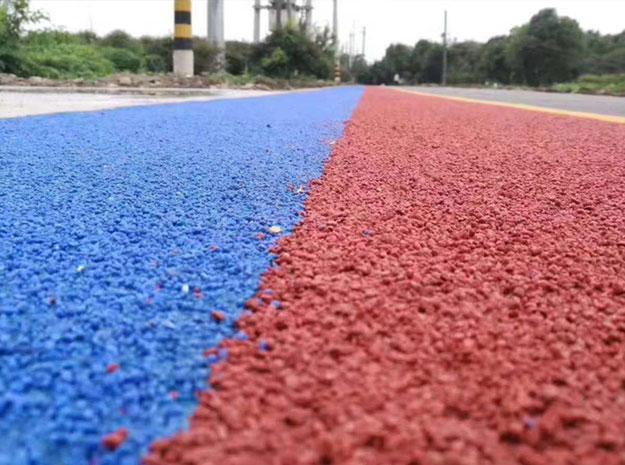
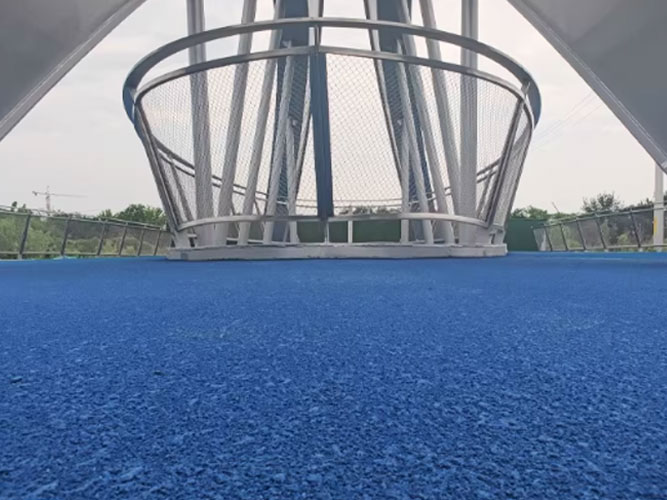
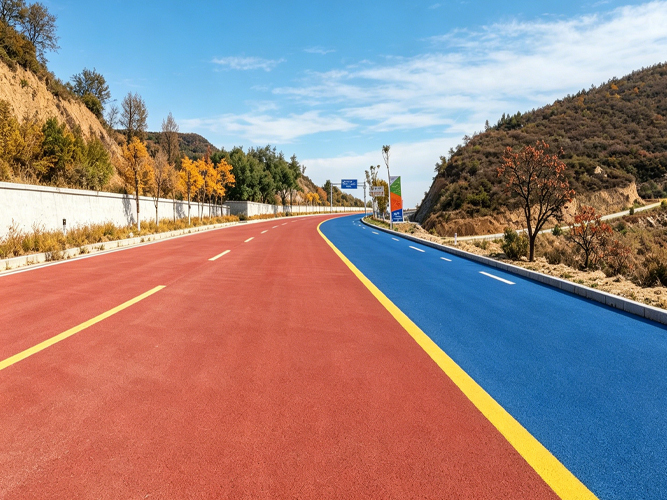
Porous ceramic aggregate pavement is an advanced permeable paving system designed to improve stormwater management, reduce surface temperature, and enhance road safety. It is widely used in urban roads, sidewalks, parking lots, plazas, bike lanes, and eco-friendly infrastructure projects where drainage performance and heat reduction are important priorities.
One of the most significant advantages of porous ceramic aggregate pavement is its high permeability. The structure contains interconnected voids formed by durable ceramic aggregates and a specially designed binder system.
Rainwater quickly passes through the surface layer
Water is stored temporarily in the void structure and drained into the sub-base
Reduces surface water accumulation and puddling
Helps prevent hydroplaning and improves driving safety in wet conditions
This drainage capability is especially valuable in regions with heavy rainfall or poor urban drainage systems.
Porous ceramic aggregate pavement also provides strong cooling benefits, making it an effective solution for urban heat island mitigation.
Water stored in the pores evaporates gradually, absorbing heat
High reflectivity of ceramic materials reduces heat absorption
Improved airflow through the porous structure enhances heat dissipation
Surface temperature is significantly lower compared to traditional asphalt
This helps create more comfortable walking and driving environments during hot weather.
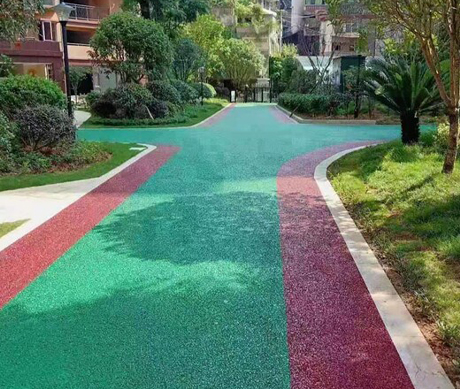
The rough texture of ceramic aggregates creates a high-friction surface that improves safety.
Strong skid resistance in both dry and wet conditions
Stable traction for vehicles, bicycles, and pedestrians
Reduced risk of slipping in rainy environments
Suitable for ramps, crossings, and public walkways
The texture remains effective even after long-term use due to the hardness of ceramic materials.
Despite its porous nature, the system is designed for long-term performance.
High-strength ceramic aggregates resist wear and polishing
Strong bonding with modified binders ensures structural stability
Resistant to UV aging, freeze-thaw cycles, and weathering
Maintains permeability and surface integrity over time
This makes it suitable for medium to high traffic applications when properly designed.
Porous ceramic aggregate pavement supports sustainable urban development.
Reduces surface runoff and urban flooding risk
Helps recharge groundwater systems
Lowers ambient urban temperature
Can be combined with recycled materials in some designs
It is an important part of green infrastructure and sponge city concepts.
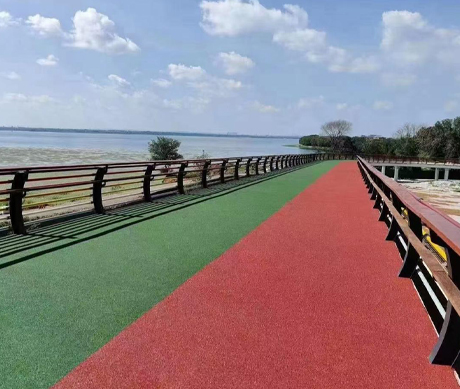
This pavement system is widely used in:
Urban streets and residential roads
Parking lots and commercial plazas
Parks, gardens, and pedestrian walkways
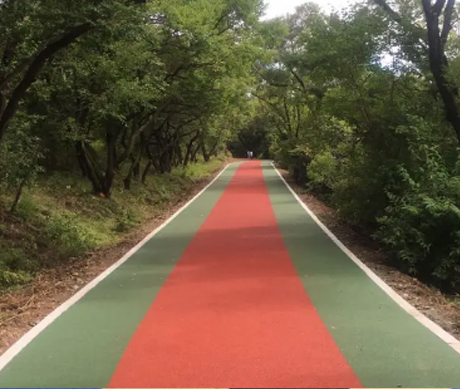
Bicycle lanes and recreational paths
School zones and community areas
Porous ceramic aggregate pavement offers a powerful combination of drainage efficiency, cooling performance, and anti-slip safety. By allowing water infiltration and promoting evaporative cooling, it improves urban environmental quality while maintaining durable and functional pavement performance.