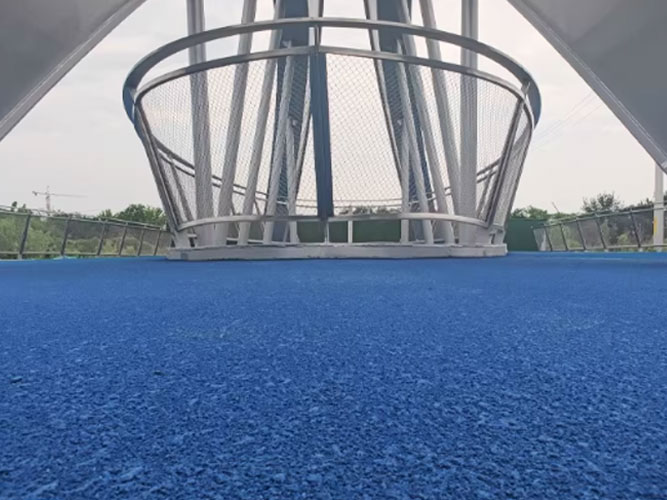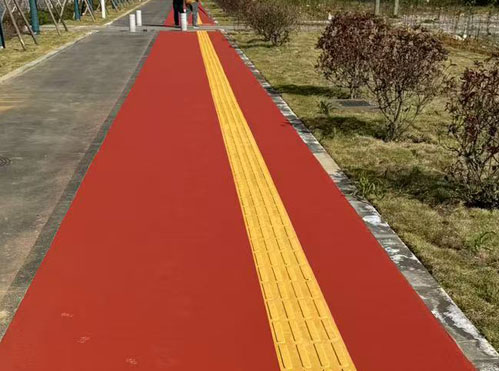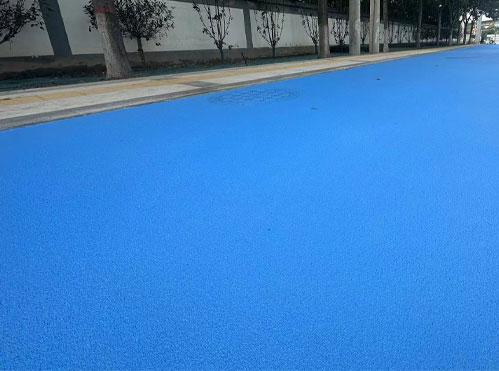
Colored pavement is widely used in urban roads, bicycle lanes, pedestrian walkways, bus lanes, parking areas, scenic routes, and public spaces. It not only improves road aesthetics but also enhances traffic guidance, safety, and surface durability. The performance of a colored pavement system depends largely on the quality of materials used and the construction methods applied during installation.
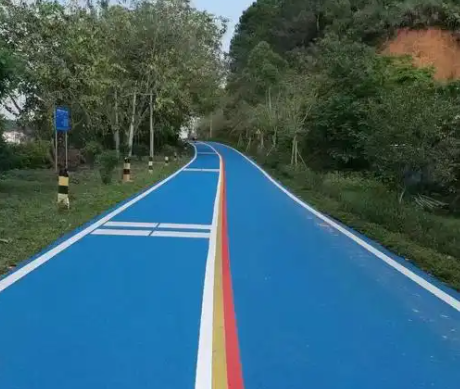
Water-based pavement systems have become increasingly popular due to their environmental benefits and low VOC emissions. These materials provide excellent adhesion, color retention, and skid resistance while minimizing environmental impact. They are commonly used in urban roads, parks, schools, and pedestrian areas.
MMA (Methyl Methacrylate) resin pavement is known for its rapid curing speed and high durability. It can often be opened to traffic within a short period after installation, making it ideal for projects that require minimal disruption. MMA systems also offer excellent weather resistance and long-lasting color stability.
Color emulsified micro-surfacing combines modified emulsified asphalt, aggregates, pigments, and additives to create a thin protective layer. This method improves pavement performance, extends road life, and provides an attractive colored surface suitable for urban road rehabilitation projects.
Colored ceramic particles are commonly used as anti-slip aggregates in high-friction pavement systems. These aggregates offer exceptional wear resistance, skid resistance, and color durability. They are frequently applied at intersections, curves, ramps, and other high-risk traffic areas.
Colored sealcoats create a protective layer over existing asphalt surfaces while adding decorative and functional color. They help protect the pavement from oxidation, moisture penetration, and surface wear while improving the overall appearance of the roadway.
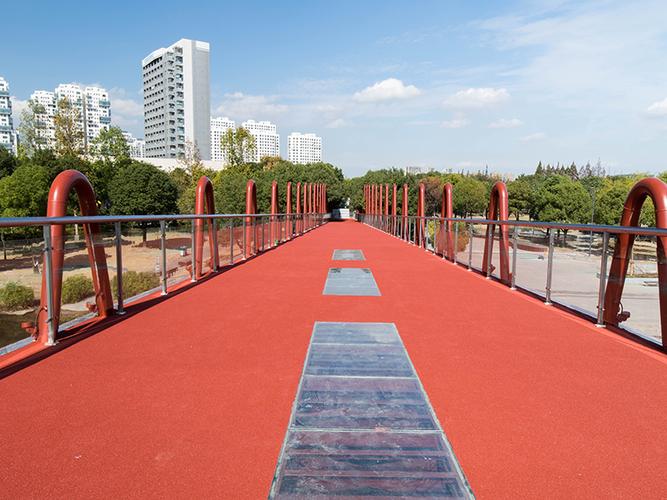
The first step is preparing the existing pavement. The surface must be clean, dry, and free of dust, oil, loose particles, and debris. Any cracks, potholes, or damaged sections should be repaired before installation.
Proper surface preparation is critical for achieving strong adhesion and long-term performance.
A primer is applied to improve bonding between the existing pavement and the colored surfacing material. The primer should be evenly distributed and allowed to cure according to project requirements.
Colored binders, pigments, aggregates, and additives are mixed according to the specified formulation. Accurate mixing ensures consistent color, strength, and durability throughout the pavement system.
The colored material is applied using rollers, squeegees, spray equipment, or paving machines, depending on the project type and material selected. Uniform application helps achieve a smooth appearance and consistent performance.
For high-friction applications, ceramic aggregates or other anti-slip materials are broadcast onto the wet surface. This creates a textured finish that improves traction and enhances road safety.
After installation, the pavement is allowed to cure fully before opening to traffic. Final inspections verify surface quality, color consistency, adhesion, and overall construction standards.
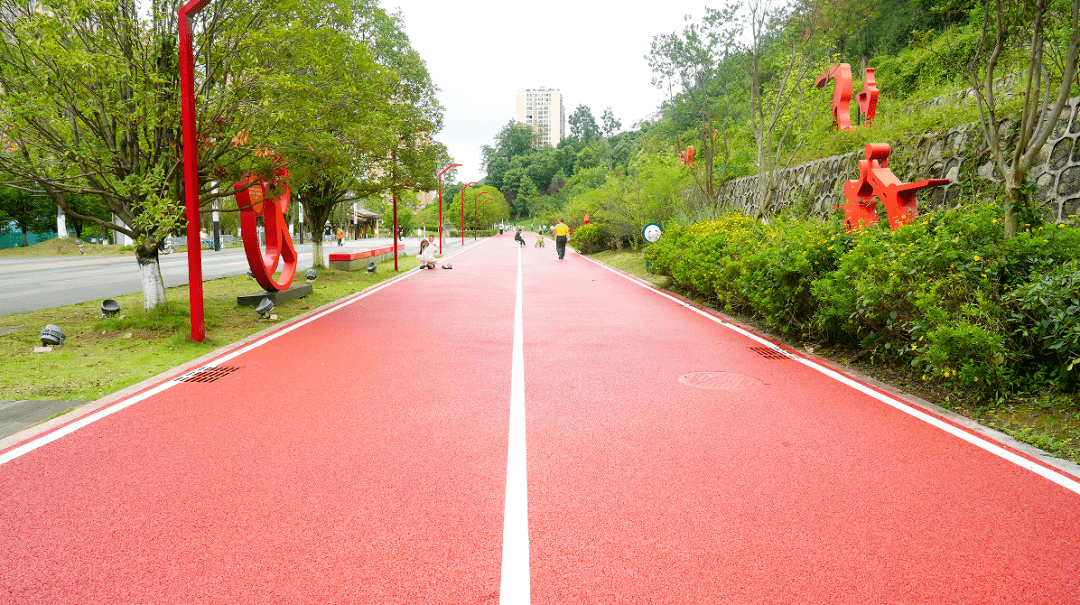
When high-quality materials are combined with professional construction techniques, colored pavement can provide:
Enhanced road safety and visibility
Excellent skid resistance
Long service life
Strong resistance to wear and weathering
Reduced maintenance requirements
Improved urban aesthetics
Better traffic organization and guidance
As cities continue to invest in safer and more attractive transportation infrastructure, colored pavement materials and advanced construction methods are playing an increasingly important role in modern road development. Proper material selection and installation practices ensure long-lasting performance and maximum value for public and private pavement projects.