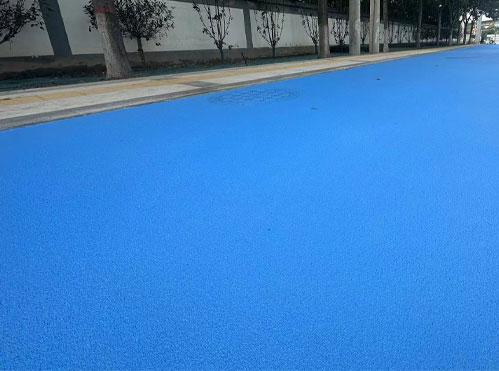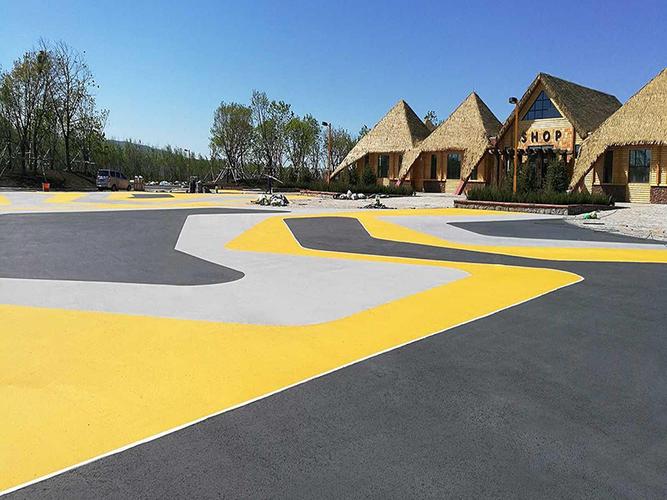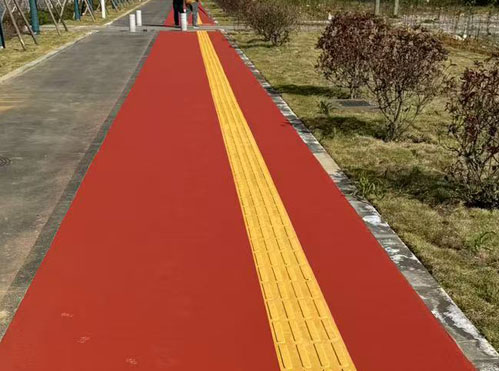
Road safety is becoming increasingly important as traffic volumes continue to grow around the world. Traditional pavement surfaces may experience reduced friction caused by rain, vehicle pressure, and long-term wear, which can increase the risk of skidding accidents.

A High Friction Surfacing Guide helps contractors, engineers, and infrastructure developers understand how high friction surfacing systems work, where they are used, and why they are becoming a preferred solution for modern road safety projects.
High Friction Surfacing (HFS) is a specialized pavement treatment designed to improve surface grip and skid resistance. It combines a high-performance resin binder with durable aggregates to create a strong, textured surface layer.
Unlike traditional road coatings that mainly improve appearance, high friction surfacing focuses on increasing friction performance and providing long-lasting safety benefits.
A typical high friction surfacing system includes:
High-strength bonding resin
Durable ceramic aggregates
Anti-skid particles
Professional application technology
The finished surface provides excellent vehicle traction while maintaining attractive colors and appearance.
The working principle of high friction surfacing is based on creating a rough and highly durable surface texture.
When vehicles travel over the surface, the exposed aggregates provide additional grip between tires and pavement. This improves braking efficiency, cornering stability, and overall driving safety.
The system is especially effective in areas where vehicles frequently need to slow down or change direction.
The biggest advantage of HFS is its ability to increase surface friction. It helps reduce vehicle slipping risks in areas with high accident potential, including:
Highway curves
Junctions
Pedestrian crossings
Bridge approaches
Bicycle lanes
Water can create a slippery surface and reduce tire contact with pavement. High friction surfacing maintains reliable grip during rainy weather, making it suitable for regions with heavy rainfall and tropical climates.
High friction surfacing materials are designed to withstand harsh conditions, including:
Heavy traffic loads
UV radiation
Temperature changes
Chemical contamination
Daily abrasion
This makes HFS a cost-effective choice for long-term infrastructure projects.

High friction surfacing solutions are widely used in different transportation areas:
Used for accident-prone locations such as curves, ramps, and intersections to improve vehicle control.
Colored high friction surfacing helps separate traffic areas while improving cyclist safety and urban appearance.
Provides additional grip and protection for bridge surfaces exposed to moisture and heavy traffic.
Suitable for areas requiring strong friction performance, including service roads, loading zones, and logistics facilities.
A professional installation process usually includes:
Surface preparation and cleaning
Application of bonding resin
Spreading colored or high-friction aggregates
Removing excess materials
Final inspection and quality checking
Proper installation ensures maximum adhesion, durability, and safety performance.
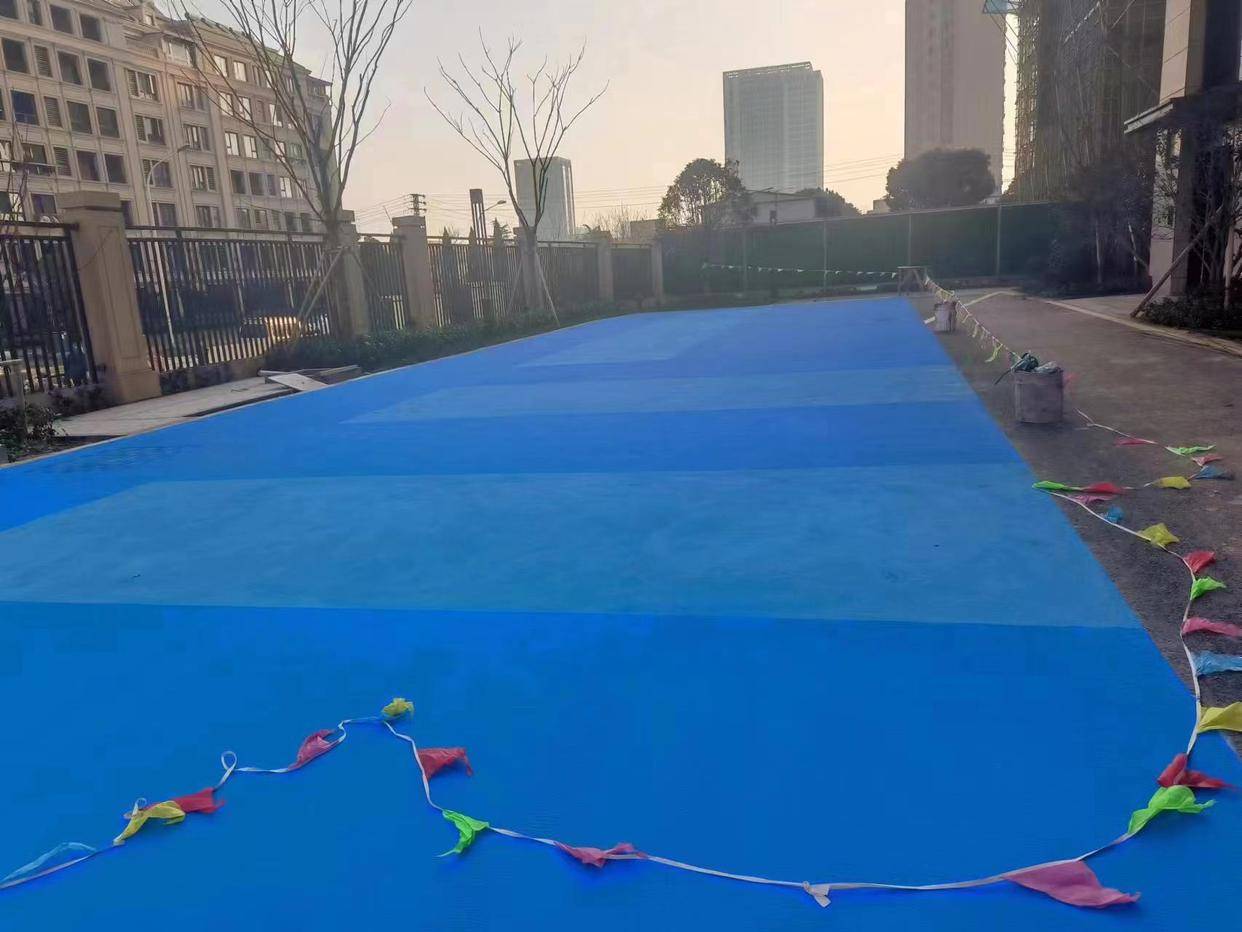
When selecting high friction surfacing materials, consider:
Traffic volume
Climate conditions
Required friction performance
Expected service life
Color and design requirements
Working with an experienced manufacturer can help ensure the right solution for each project.
High Friction Surfacing is an advanced road safety technology that improves grip, reduces skid risks, and extends pavement performance. From highways and bridges to bicycle lanes and urban roads, HFS provides a reliable solution for creating safer transportation environments.
As cities continue to develop smarter infrastructure, high friction surfacing will play an increasingly important role in modern road safety systems.