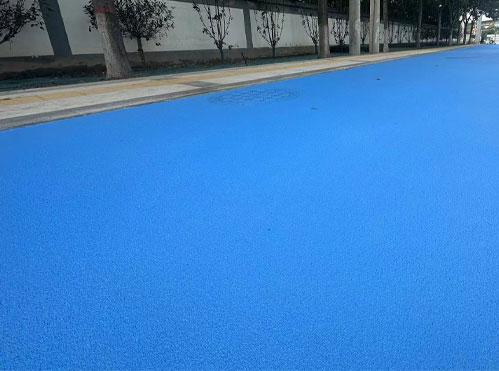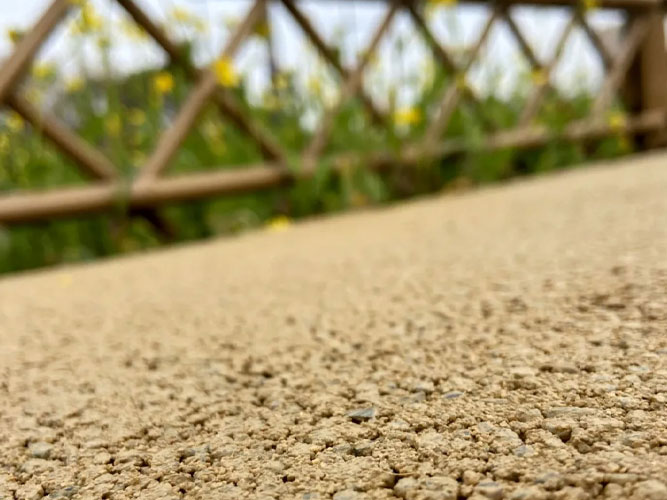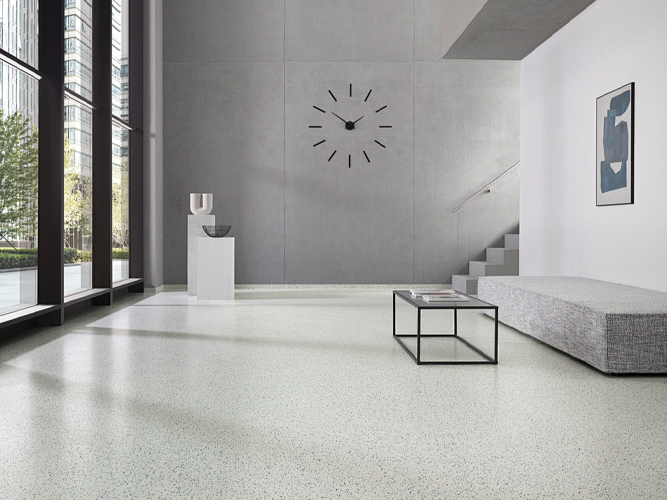
Colored pavement materials are widely used in modern infrastructure to improve road safety, enhance visual guidance, and support traffic organization in urban, industrial, and commercial environments. Understanding the main material types, installation methods, and long-term performance characteristics is essential for selecting the right system for each project.
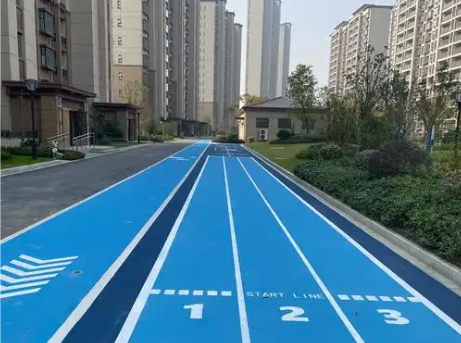
Colored pavement systems are generally classified based on their binder technology and application method.
Resin-based colored pavement systems use high-performance resins as binders. They offer excellent adhesion, high durability, and strong resistance to wear and heavy traffic. These systems are commonly used in highways, intersections, ramps, industrial zones, and airport facilities where performance demands are high.
Polymer-modified colored asphalt systems combine asphalt binders with polymer additives to improve flexibility, strength, and resistance to deformation. They are suitable for roads with continuous traffic loads, such as logistics corridors and urban arterials.
Water-based colored coating systems are more environmentally friendly, using water as the carrier instead of solvents. They are typically applied in pedestrian areas, bicycle lanes, parks, residential streets, and light-traffic zones where sustainability and aesthetics are important.
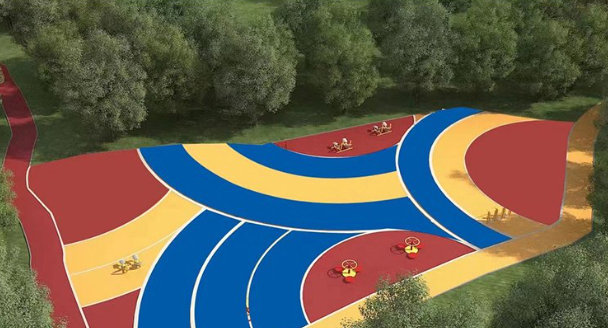
Colored micro-surfacing systems use a mixture of emulsified binders and aggregates to create a thin, high-friction wearing layer. These are often used for fast road rehabilitation projects that require minimal traffic disruption.
Proper installation is critical to ensure long-term performance. The process generally includes surface preparation, material mixing, application, and curing.
Surface preparation involves cleaning the existing pavement to remove dust, oil, and loose particles. In some cases, mechanical texturing is required to improve bonding strength.
Material mixing must follow precise ratios to ensure uniform performance. Improper mixing can lead to inconsistent color, weak bonding, or reduced skid resistance.
Application is typically carried out using manual or mechanical spreading methods, depending on project size. Uniform thickness is essential to maintain consistent friction and appearance.
Curing time varies depending on material type and environmental conditions. Traffic should only be allowed once the surface has fully hardened to prevent damage.
The durability of colored pavement depends on several key factors, including traffic load, environmental exposure, and material quality.
Skid resistance retention is one of the most important performance indicators. High-quality systems maintain surface texture over time, ensuring consistent safety performance even under repeated traffic stress.
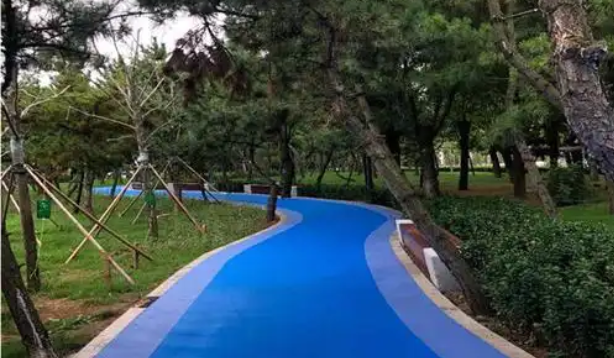
Color stability is influenced by UV exposure and wear. Systems with UV-resistant pigments and protective binders maintain brightness and visual clarity for longer periods.
Structural durability is determined by the ability of the material to resist cracking, rutting, and surface deformation under heavy loads. Resin and polymer-modified systems generally perform better in high-stress environments.
Maintenance requirements also play a role in long-term performance. Regular cleaning and timely surface renewal help extend service life and maintain both safety and appearance.
Colored pavement materials offer a versatile solution for improving road safety, traffic organization, and urban design. By selecting the appropriate material type, following correct installation procedures, and considering long-term performance factors, project owners can achieve durable, high-visibility, and high-friction pavement systems suitable for a wide range of applications.