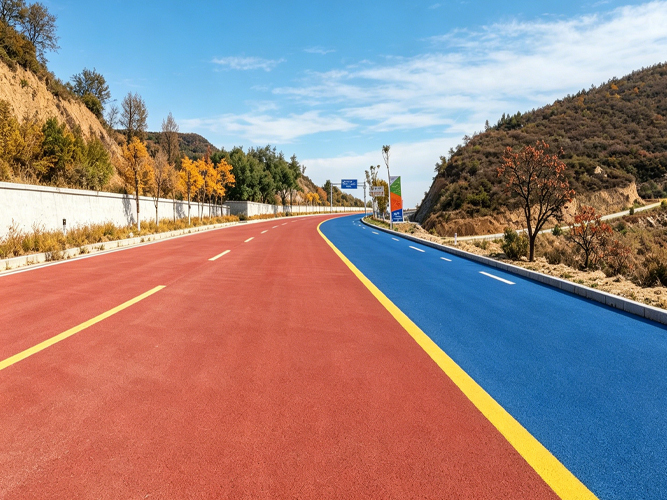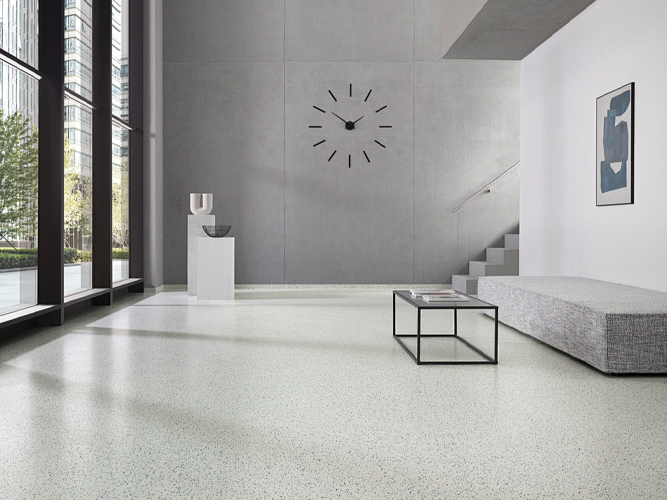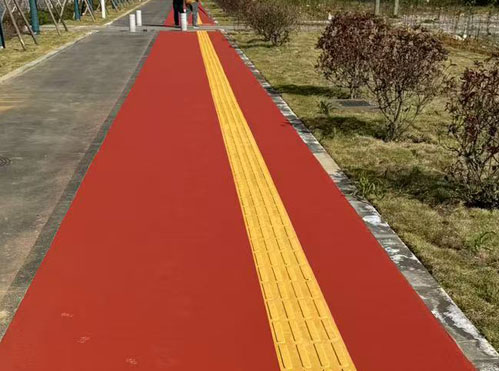
Colored pavement has emerged as a modern solution that combines safety, functionality, and aesthetic appeal. By integrating high-friction surfaces with vibrant colors, it transforms ordinary roads, walkways, and public spaces into safer and more visually engaging environments. This innovative pavement technology is increasingly used in urban planning, transportation infrastructure, and recreational areas.
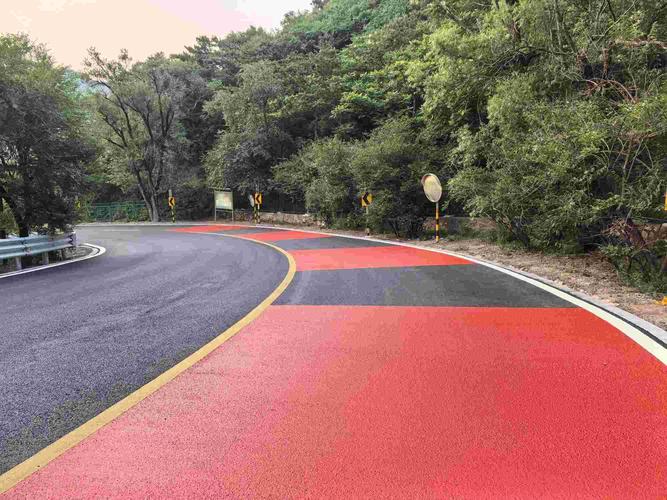
The most critical advantage of colored pavement is its anti-slip performance. Using high-friction aggregates and durable resin binders such as MMA, epoxy, or polyurethane, the surface provides excellent traction for vehicles, bicycles, and pedestrians. This reduces the risk of accidents caused by skidding or slipping, particularly in wet, icy, or high-traffic conditions. Safety is further enhanced on ramps, intersections, pedestrian crossings, and sharp curves, making colored pavement ideal for both urban streets and scenic routes.
Color is not just decorative—it is functional. Different colors can define specific zones, such as bus lanes, bicycle paths, pedestrian walkways, or restricted areas. This improves traffic organization, reduces confusion, and ensures that drivers and pedestrians can navigate safely. Color-coded pavement also helps highlight hazards and guide users intuitively, enhancing overall road safety.
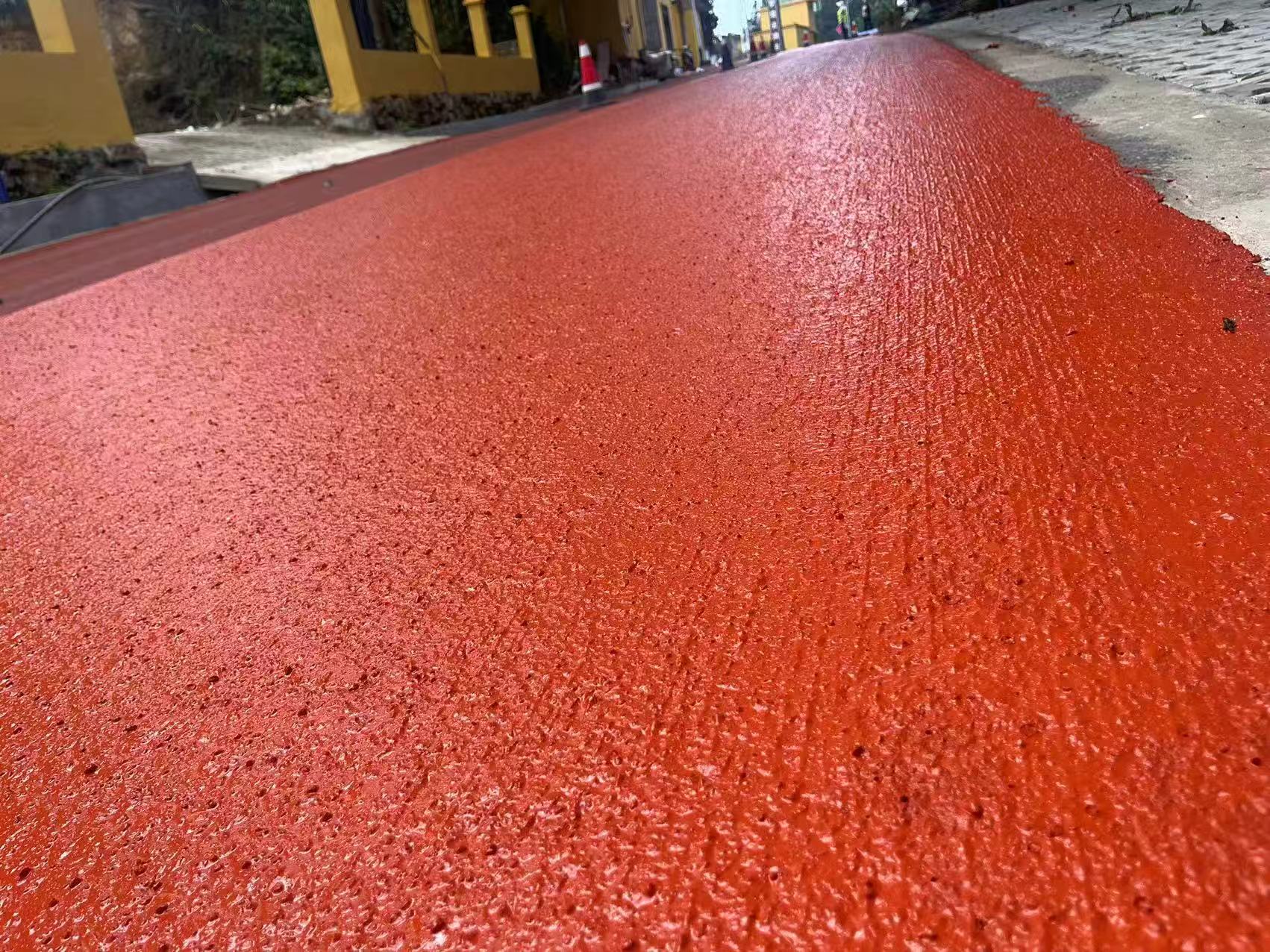
High-quality colored pavement systems are designed to withstand heavy traffic loads, daily wear, UV exposure, and harsh weather conditions. Materials such as ceramic or quartz aggregates combined with advanced resin binders ensure long-lasting performance, reducing maintenance needs. Even with frequent pedestrian and vehicle traffic, the pavement retains both its anti-slip properties and vibrant colors, offering a cost-effective solution over time.
Beyond safety and functionality, colored pavement enhances the visual environment. Urban roads, parks, plazas, and pedestrian zones benefit from the modern and organized appearance it provides. Scenic roads and tourist paths can incorporate decorative patterns, blending safety with landscape design. This combination of aesthetics and performance improves the overall experience for residents, visitors, and commuters.
Colored pavement is suitable for a wide range of environments, including:
Urban streets and intersections
Bicycle lanes and pedestrian walkways
Parking lots and access ramps
Parks, plazas, and recreational areas
Scenic routes and tourist roads
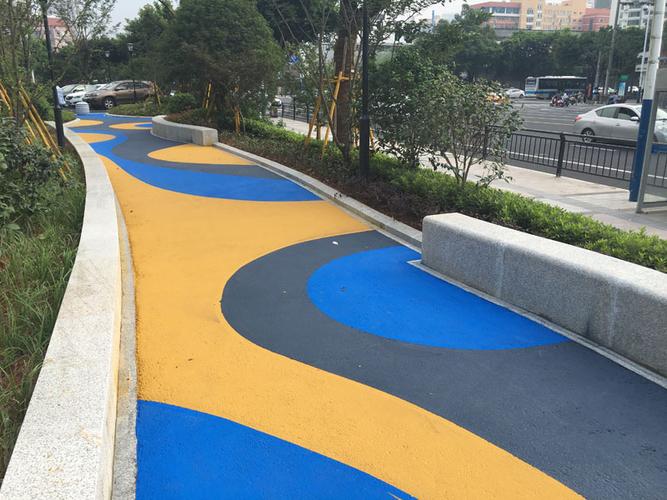
Colored pavement demonstrates that safety and design can go hand in hand. By providing reliable traction, clear visual guidance, durability, and aesthetic value, it elevates the function and appearance of modern infrastructure. For city planners, architects, and developers, colored pavement offers a practical, long-lasting, and visually appealing solution for safer and more attractive public spaces.