As cities continue to modernize their infrastructure, urban renewal projects are becoming increasingly important for improving road safety, traffic efficiency, and public space aesthetics. Among the various technologies used in these projects, road anti-skid materials have emerged as a highly effective solution for upgrading existing road surfaces while enhancing safety and durability.
Urban roads experience constant wear from heavy traffic, weather exposure, and environmental factors. Over time, road surfaces can become smooth and slippery, reducing tire grip and increasing the risk of accidents, especially during wet conditions. Anti-skid materials are designed to restore and enhance pavement friction, providing safer driving and walking conditions for road users.
In urban renewal projects, anti-skid surfacing is often applied to existing asphalt or concrete pavements, offering a cost-effective alternative to complete road reconstruction. The result is improved road performance with minimal disruption to traffic and surrounding communities.
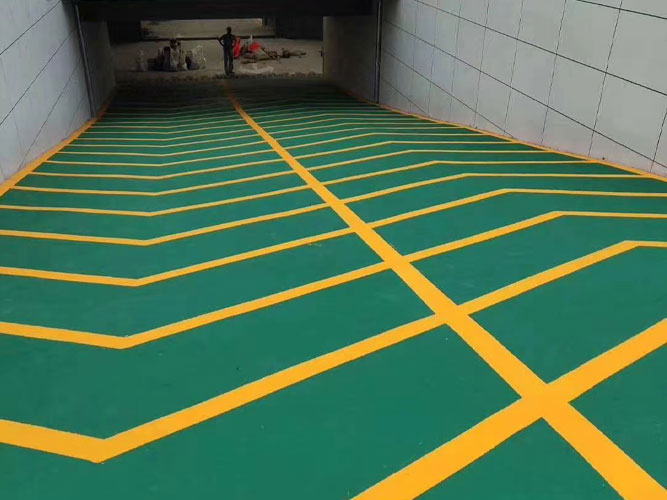
The primary function of anti-skid materials is to increase surface friction. Improved skid resistance helps vehicles maintain traction during braking, acceleration, and cornering. This is particularly important at intersections, pedestrian crossings, roundabouts, steep slopes, and sharp curves where accident risks are higher.
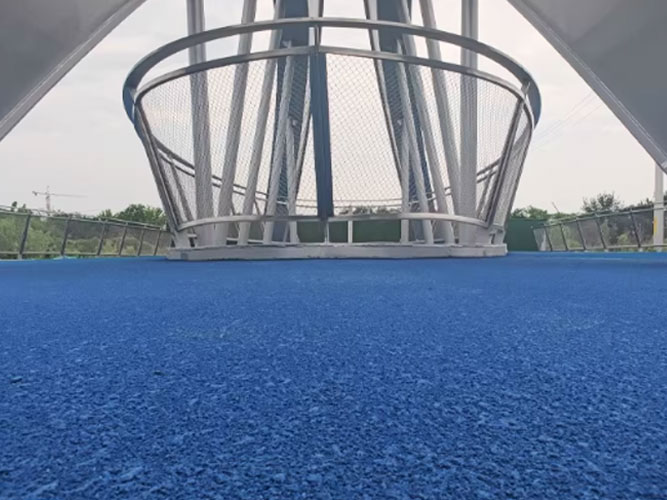
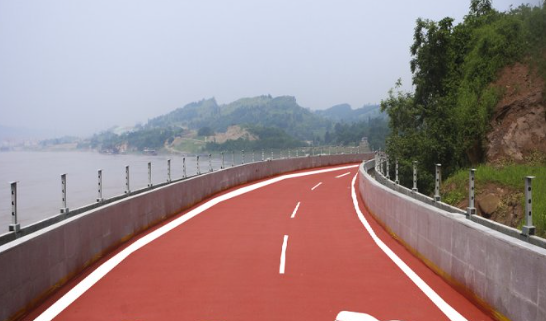
Colored anti-skid surfacing can be used to create clearly defined traffic zones such as bicycle lanes, bus lanes, school zones, and pedestrian areas. Bright, durable colors improve visibility for drivers and pedestrians, helping reduce confusion and improve traffic organization.
High-quality anti-skid systems protect underlying pavement from wear, water penetration, and environmental damage. This protective layer can significantly extend the service life of roads and reduce long-term maintenance costs.
Many modern anti-skid materials can be installed rapidly with minimal road closure time. This makes them ideal for urban renewal projects where maintaining traffic flow is a critical requirement.
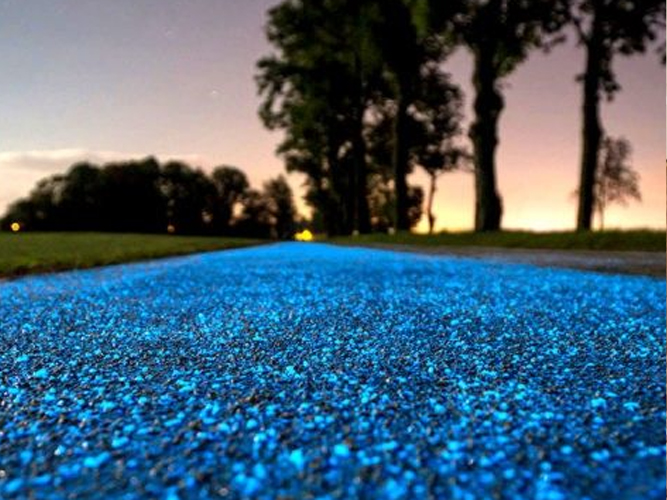
Beyond safety benefits, colored road surfacing contributes to a cleaner, more modern urban environment. Cities can use different colors to enhance road design, improve wayfinding, and create visually appealing public spaces.
This system combines high-performance polymer binders with colored aggregates to create a durable, attractive, and highly skid-resistant surface. It is widely used for bicycle lanes, pedestrian crossings, and urban streets.
Colored ceramic aggregates provide excellent wear resistance and long-lasting color stability. Their rough surface texture delivers outstanding friction performance even under heavy traffic conditions.
These systems use specialized binders combined with premium aggregates to achieve exceptional skid resistance. They are commonly applied at accident-prone locations and high-risk traffic areas.
Water-based anti-skid materials offer an environmentally friendly solution with low VOC emissions. They are suitable for sustainable urban development projects and municipal road upgrades.
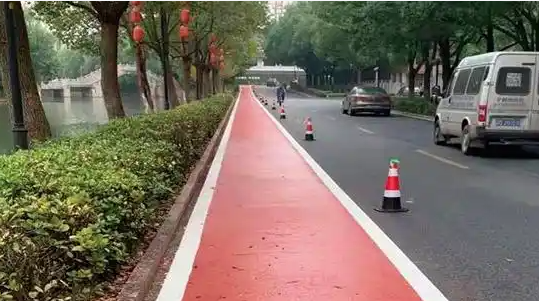
Road anti-skid materials are widely used in:
Urban road rehabilitation projects
Bicycle lane construction and upgrades
Pedestrian crossings
School safety zones
Bus rapid transit corridors
Public squares and plazas
Residential communities
Commercial districts
Parking facilities
Bridge decks and approach roads
These applications help create safer, more organized, and visually attractive transportation networks.

As cities continue to prioritize sustainable and smart infrastructure, demand for advanced anti-skid materials is expected to grow. New technologies focus on improving durability, reducing maintenance requirements, enhancing environmental performance, and providing longer-lasting color retention. Colored anti-skid surfacing is becoming an essential component of modern urban renewal strategies worldwide.
Road anti-skid materials play a crucial role in urban renewal projects by improving safety, extending pavement lifespan, and enhancing the appearance of public infrastructure. Whether used on city streets, bicycle lanes, pedestrian areas, or transit corridors, these materials provide a practical and cost-effective solution for upgrading urban environments. As municipalities seek safer and more sustainable transportation systems, anti-skid surfacing technologies will continue to be a key investment in future urban development.