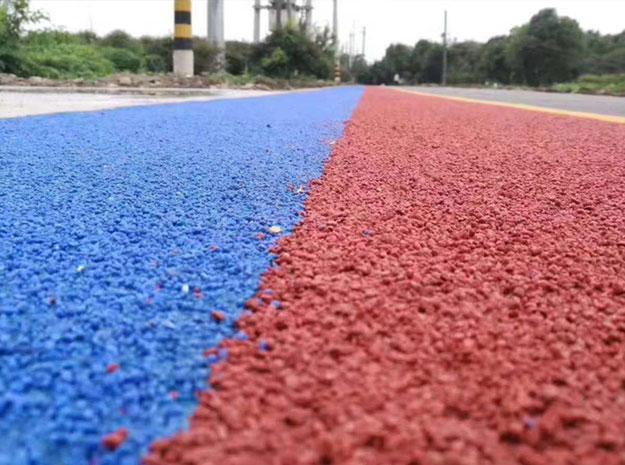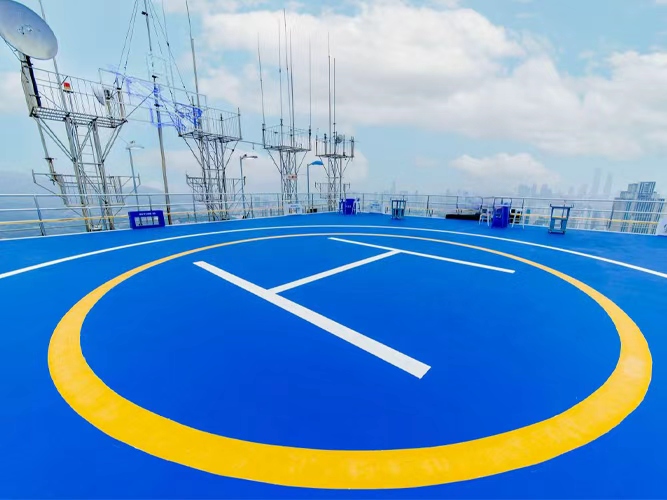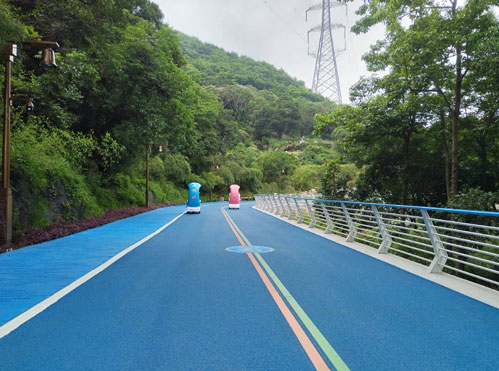
Colored pavement has become an essential element in modern urban design because it combines functionality, safety, durability, and visual appeal in one solution. As cities continue to grow and prioritize smart infrastructure, planners and engineers are increasingly choosing colored pavement for roads, bicycle lanes, pedestrian zones, parks, and commercial districts.
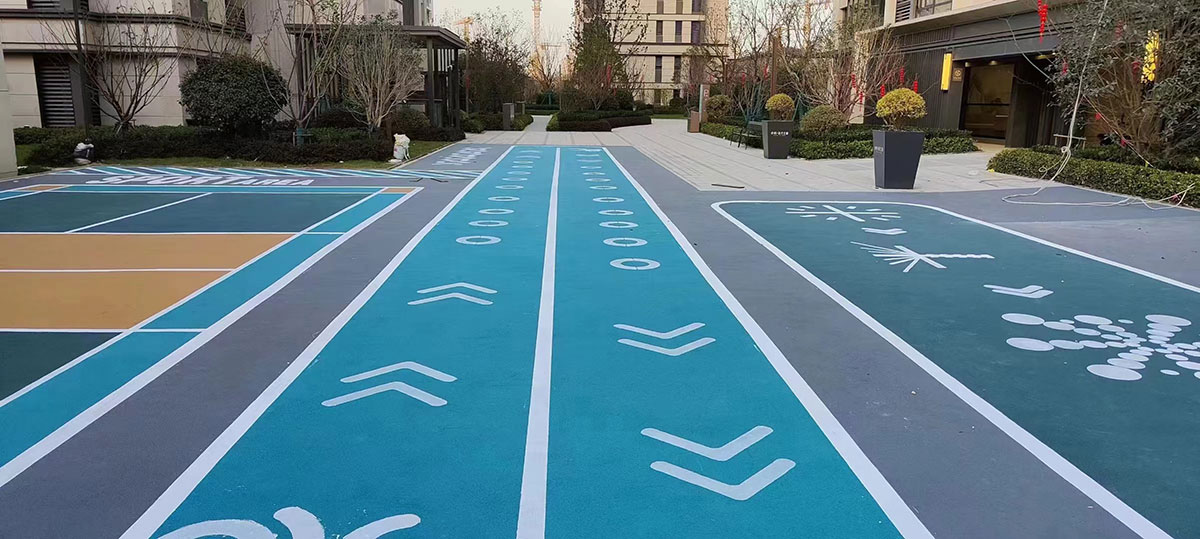
One of the main reasons colored pavement is so popular is its ability to improve traffic organization and safety. Different colors help clearly define traffic areas, making it easier for drivers, cyclists, and pedestrians to navigate busy urban environments. Red pavement is often used for bus lanes, green for bike lanes, and other bright colors for pedestrian crossings or public activity zones. These visual distinctions increase road awareness and help reduce traffic accidents.
Safety performance is another major advantage. Many colored pavement systems are designed with anti-slip and high-friction properties that improve tire grip and pedestrian traction. This is especially important in wet weather conditions, intersections, ramps, and high-traffic public areas where reducing slips and skidding is critical.
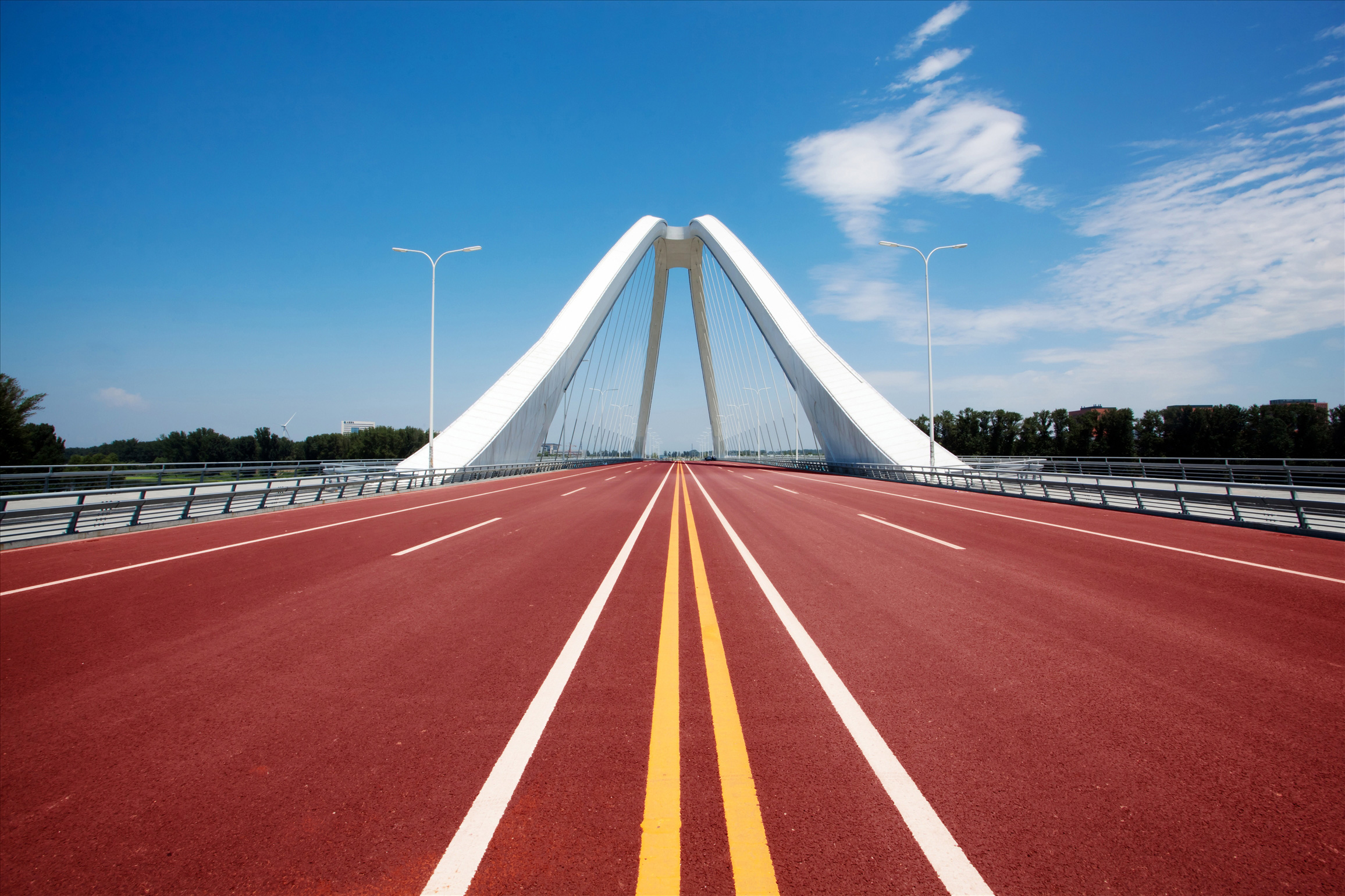
Modern colored pavement is also known for its long-lasting durability. Advanced materials such as MMA resin, epoxy coatings, polyurethane binders, and water-based anti-skid systems provide excellent resistance to wear, UV exposure, chemicals, and harsh weather conditions. These surfaces maintain strong color stability and skid resistance even after years of heavy use.
In addition to performance benefits, colored pavement enhances the appearance of urban spaces. Bright, decorative surfaces create a cleaner, more modern city image and improve the visual quality of streets and public areas. Urban designers often use colored pavement to create attractive landscapes and support city branding initiatives.
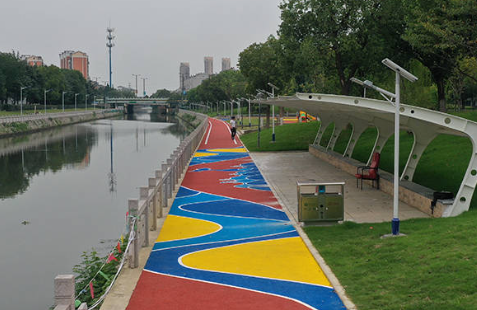
Environmental sustainability further increases its value. Many modern systems use low-VOC and water-based materials that reduce environmental impact and support green construction standards. Fast installation and easy maintenance also help reduce traffic disruption and long-term operational costs.
For modern cities seeking safer, smarter, and more attractive infrastructure, colored pavement has become a top choice in urban road and public space design.