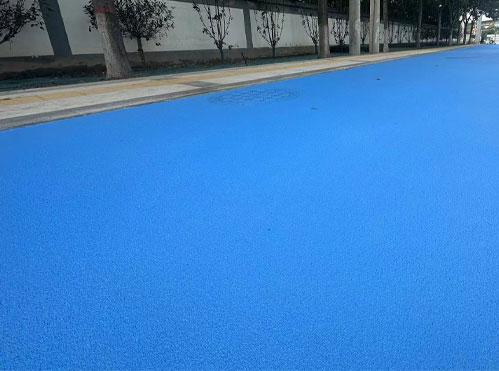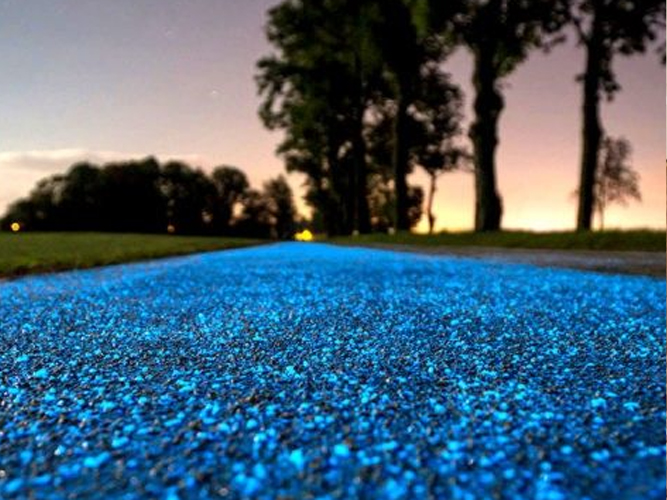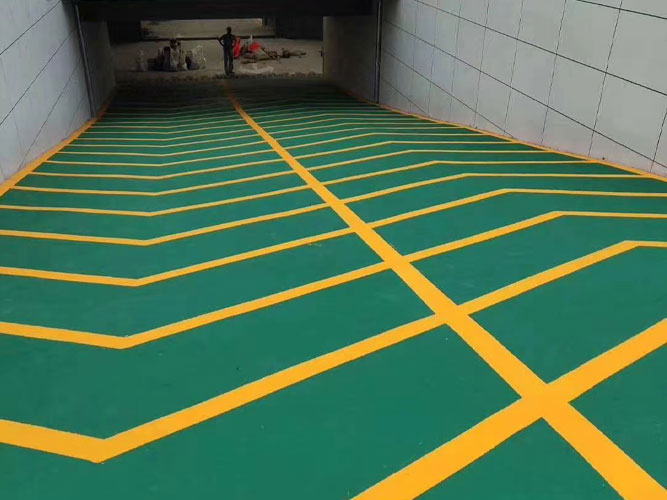
Road safety depends heavily on the ability of vehicles to maintain proper contact with the pavement surface. As traffic volumes increase and road conditions become more demanding, the use of high-performance road anti-skid materials has become an essential solution for improving road grip, enhancing surface friction, and reducing accident risks.
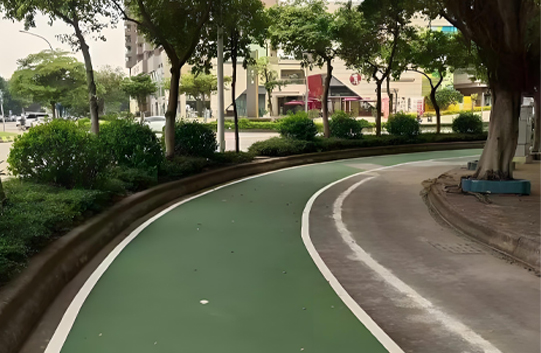
Road anti-skid materials are specially designed pavement systems that create a high-friction surface layer between vehicle tires and the road. By incorporating durable aggregates and advanced bonding technologies, these materials improve traction, especially in areas where vehicles frequently brake, accelerate, or change direction.
One of the most important functions of road anti-skid materials is increasing tire adhesion. Traditional pavement surfaces may lose friction due to rain, oil contamination, surface polishing, or heavy traffic wear. Anti-skid surfacing restores and enhances pavement texture, helping vehicles maintain better control under various driving conditions.
These high-friction systems are widely applied in:
Highway curves and sharp bends
Intersections and roundabouts
Pedestrian crossings
Bus lanes and bicycle lanes
Bridge decks and ramps
School zones and urban streets
Airport roads and industrial areas
By improving grip in these high-risk locations, anti-skid materials contribute to safer transportation environments.
Surface friction plays a critical role in braking performance. A road with insufficient friction can increase stopping distances and increase the possibility of skidding, particularly during wet weather. Road anti-skid materials provide a textured surface profile that improves friction between tires and pavement.
High-friction aggregates embedded into the surface create long-lasting skid resistance while maintaining excellent performance under repeated vehicle loading. This makes them suitable for both heavy-duty traffic areas and everyday urban roads.
Modern infrastructure projects increasingly combine anti-skid performance with visual guidance through colored surfacing systems. Colored anti-skid pavement not only improves friction but also creates highly visible traffic zones.
Common applications include:
Red bicycle lanes for cyclist protection
Green pedestrian areas for improved visibility
Colored bus lanes for public transportation priority
Safety zones around schools and campuses
Decorative pathways in parks and urban spaces
The combination of color and friction improvement helps drivers quickly recognize important road areas and respond appropriately.
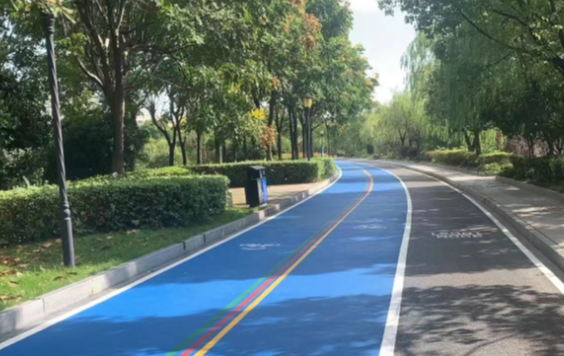
Road anti-skid materials are engineered to withstand challenging outdoor conditions, including heavy traffic loads, UV exposure, temperature changes, and moisture. High-quality systems maintain their skid resistance and appearance over extended service periods, reducing maintenance frequency and improving cost efficiency.
For municipalities, contractors, and infrastructure developers, choosing reliable anti-skid materials helps extend pavement performance while improving public safety.
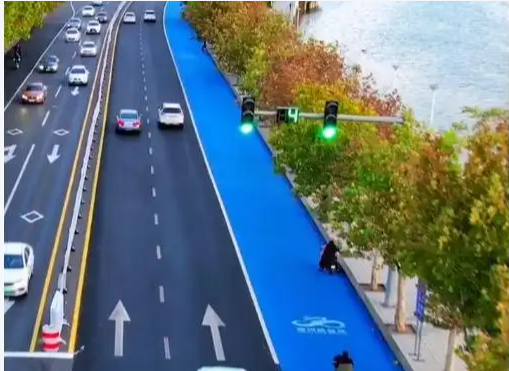
As cities continue to develop smarter transportation systems, road anti-skid materials will play an increasingly important role in improving mobility and reducing traffic risks. By enhancing road grip, increasing surface friction, and providing clear visual traffic guidance, these solutions create safer roads for drivers, cyclists, and pedestrians.
From urban streets to large-scale infrastructure projects, high-performance anti-skid surfacing provides a practical solution for building safer, more durable, and more efficient transportation networks.