# The Future of Colored Anti-Slip Road Technology

Colored anti-slip road technology is rapidly evolving as cities and transportation systems seek safer, smarter, and more sustainable pavement solutions. In recent years, advancements in materials, construction techniques, and environmental engineering have transformed colored pavement from a decorative feature into a high-performance infrastructure system. ([MDPI][1])
## Growing Demand for Safer and Smarter Roads
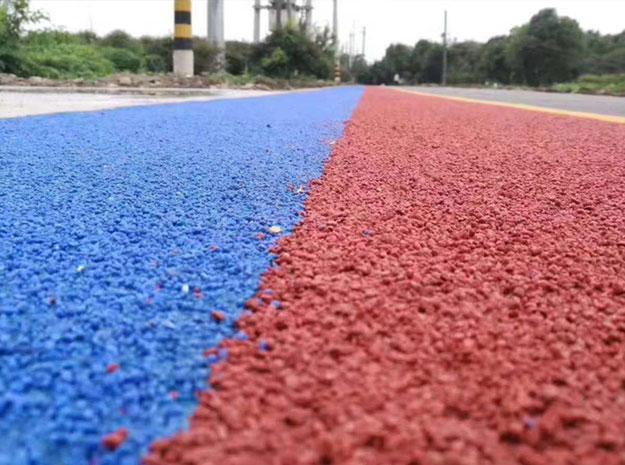
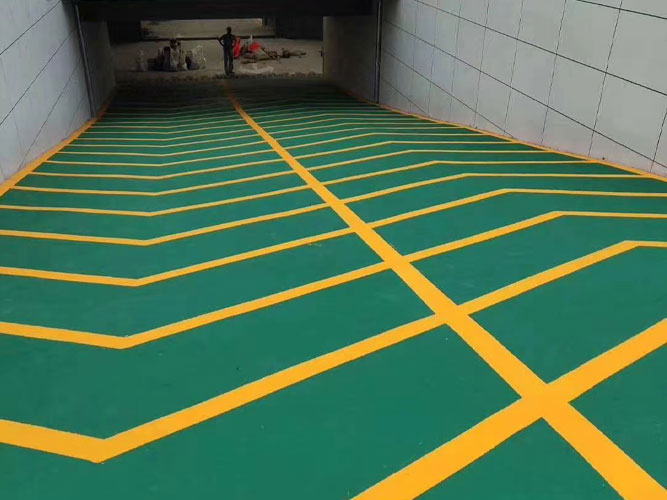
Modern cities are increasingly using colored anti-slip pavements for bicycle lanes, bus lanes, pedestrian crossings, tunnels, highways, and public spaces. These surfaces improve traffic guidance, increase visibility, and reduce skidding risks in dangerous areas. ([xt-pigment.com][2])
Future road systems are expected to combine:
* High-friction performance
* Long-lasting color stability
* Smart traffic guidance
* Sustainable construction materials
* Low-maintenance technologies
## Sustainable and Eco-Friendly Materials
One of the biggest future trends is the development of environmentally friendly pavement materials. Researchers are focusing on:
* Water-based resin systems
* Low-VOC binders
* Recycled aggregates
* Reflective coatings
* Cool pavement technologies
These innovations help reduce urban heat island effects, lower surface temperatures, and improve overall environmental performance. Studies show that lighter and reflective pavements may help reduce heat absorption in urban areas. ([MDPI][3])
## Advanced Resin and Binder Technologies
Future colored anti-slip pavements will rely more on high-performance resin systems such as:
* Waterborne polyurethane
* Epoxy-modified binders
* MMA (Methyl Methacrylate) systems
* Nano-enhanced coatings
These materials offer:
* Better UV resistance
* Stronger wear resistance
* Faster curing times
* Improved bonding strength
* Longer service life
New studies on waterborne polymer systems also show improved durability and skid resistance under heavy traffic conditions. ([ScienceDirect][4])
## Smart Road Integration
Colored pavement technology is also becoming part of smart city infrastructure. Future developments may include:
* Solar reflective surfaces
* Self-healing pavement materials
* Embedded traffic sensors
* Temperature-responsive coatings
* Glow-in-the-dark road systems
These technologies can improve traffic management, nighttime visibility, and road maintenance efficiency.
## Focus on Durability and Lower Maintenance Costs
Future road projects will prioritize life-cycle performance instead of only initial construction cost. Governments and contractors increasingly prefer materials that:
* Require less maintenance
* Maintain color longer
* Resist cracking and peeling
* Perform well in extreme climates
Industry discussions also highlight that long-term durability and maintenance efficiency are essential for sustainable pavement systems. ([Reddit][5])
## Wider Global Applications
Colored anti-slip road technology is expected to expand rapidly across:
* Smart cities
* Green transportation projects
* Bicycle infrastructure
* Airport pavements
* Commercial landscapes
* Industrial zones
* Public transportation systems
As urbanization continues worldwide, demand for safer, visually organized, and environmentally friendly road surfaces will continue to grow.