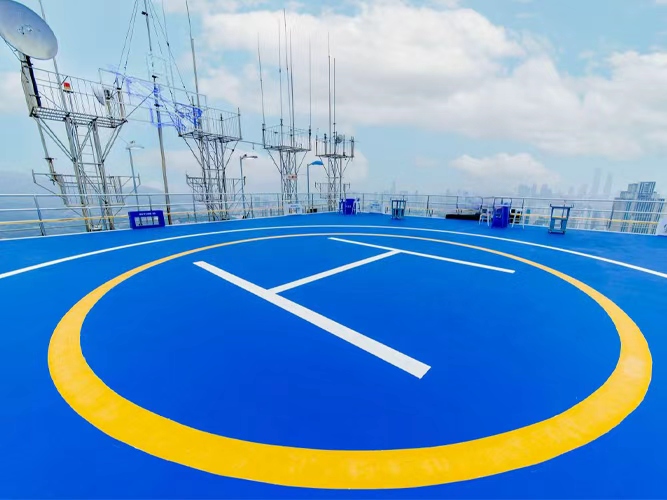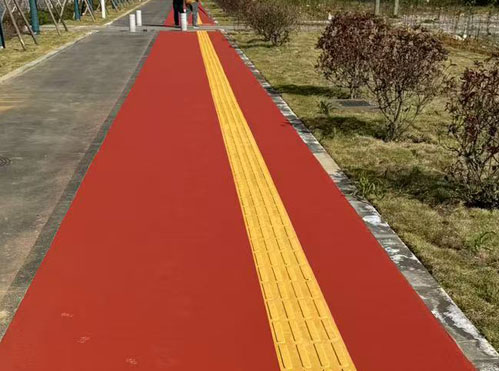
Anti slip paving ceramic aggregate is widely used to create high-friction pavement surfaces that improve safety for vehicles and pedestrians. Commonly applied on highways, intersections, bicycle lanes, pedestrian crossings, ramps, and industrial areas, ceramic aggregate provides outstanding skid resistance and long-lasting performance. However, achieving optimal results depends on proper installation techniques. Following industry best practices can ensure maximum durability, safety, and cost-effectiveness.
Before installation begins, it is important to evaluate the specific needs of the project. Factors such as traffic volume, climate conditions, pavement type, and desired surface color should be considered. High-traffic roadways may require larger aggregate sizes and stronger bonding systems, while pedestrian areas may prioritize appearance and comfort.
A thorough site assessment helps determine the most suitable materials and installation methods.
Surface preparation is one of the most critical steps in the installation process. The pavement must be clean, dry, and structurally sound before the ceramic aggregate is applied.
Proper preparation typically includes:
Removing dust, dirt, grease, and debris
Repairing cracks and damaged pavement
Eliminating loose materials
Ensuring adequate surface dryness
Creating a stable substrate for bonding
Poor surface preparation can lead to premature failure and reduced service life.
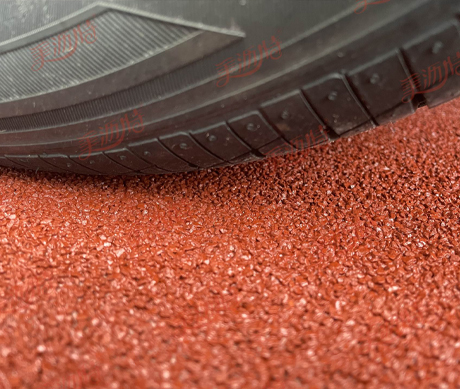
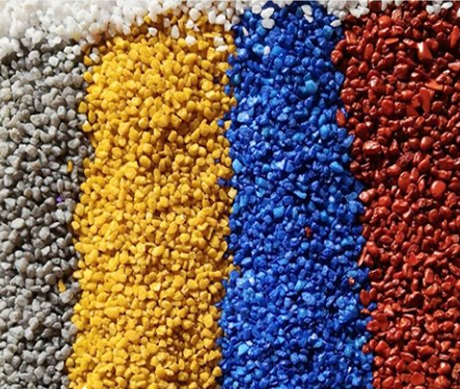
The performance of an anti-slip system depends heavily on the quality of the ceramic aggregate. High-quality aggregates should offer:
Consistent particle size
High hardness and wear resistance
Excellent skid resistance
UV-resistant color stability
Low water absorption
Using premium ceramic aggregate helps maintain friction performance and appearance over many years.
Ceramic aggregates are typically bonded to pavement surfaces using resin-based materials such as epoxy, polyurethane, or methyl methacrylate (MMA) systems.
When selecting a binder, consider:
Traffic conditions
Curing requirements
Climate and temperature
Chemical resistance
Expected service life
Choosing the correct binder ensures strong adhesion and long-term durability.
Weather conditions can significantly affect installation quality. Most resin systems perform best within recommended temperature and humidity ranges.
Avoid installation during:
Heavy rain
High moisture conditions
Extremely low temperatures
Excessive heat
Strong winds carrying dust or debris
Following manufacturer guidelines helps ensure proper curing and bonding.
Even distribution of ceramic aggregate is essential for achieving consistent skid resistance and appearance. Aggregates should be broadcast evenly across the resin-coated surface to create a uniform texture.
Uneven application may result in:
Inconsistent friction levels
Reduced durability
Surface defects
Poor visual appearance
Professional installation equipment can improve accuracy and efficiency.
The pavement should remain closed to traffic until the binder has fully cured. Premature traffic exposure can damage the surface and weaken aggregate bonding.
Curing times vary depending on:
Binder type
Temperature
Humidity
Surface conditions
Following recommended curing schedules helps maximize pavement performance.
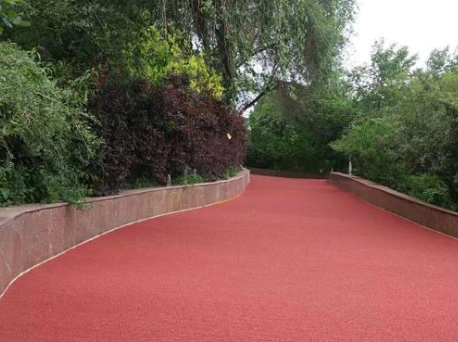
After installation, inspections should be performed to verify:
Aggregate coverage consistency
Surface texture quality
Bond strength
Color uniformity
Overall workmanship
Any defects should be corrected before the pavement is opened to public use.
Although anti slip paving ceramic aggregate surfaces are highly durable, routine maintenance can further extend their lifespan.
Recommended maintenance practices include:
Regular cleaning
Removal of oil and contaminants
Inspection of high-traffic areas
Timely repair of localized damage
Preventive maintenance helps preserve safety and appearance over the long term.
Successful installation of anti slip paving ceramic aggregate requires careful planning, proper surface preparation, quality materials, and professional application techniques. By following these best practices, contractors and road authorities can achieve durable, high-friction pavement surfaces that enhance safety, improve visibility, and deliver long-lasting value. Proper installation not only maximizes performance but also ensures that the pavement continues to provide reliable anti-slip protection for years to come.