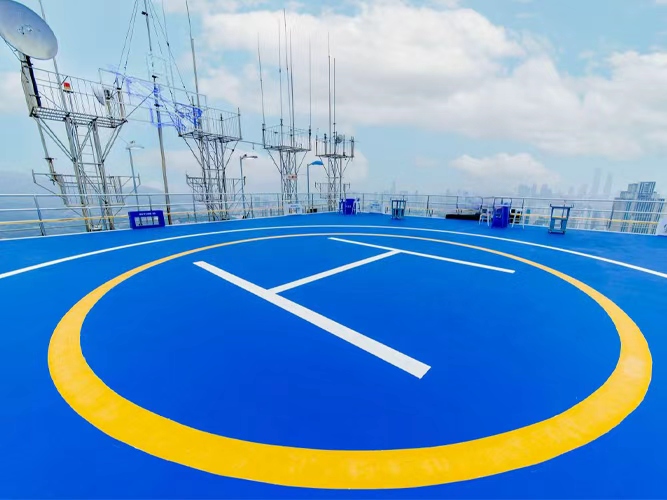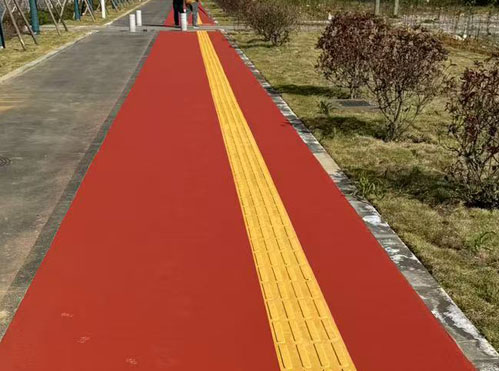
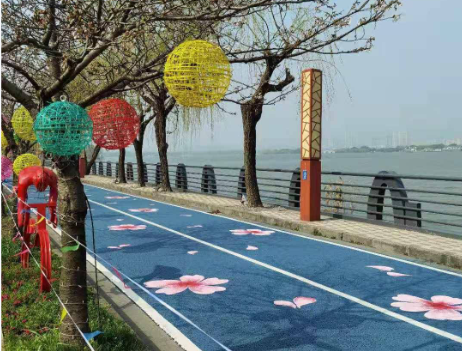
Water-based colored pavement coatings are advanced surfacing systems designed to improve road visibility, safety, and durability in high-traffic environments. These coatings use water as the primary solvent instead of organic solvents, making them more environmentally friendly while still delivering strong adhesion, abrasion resistance, and long-lasting color performance.
They are widely used in urban roads, bicycle lanes, pedestrian crossings, bus lanes, parking areas, and industrial zones where both safety and durability are essential.
Water-based colored pavement coatings are thin protective layers applied over asphalt or concrete surfaces. They are formulated using:
Water-based resin binders (such as acrylic or polyurethane systems)
Colored pigments for visibility and design
Anti-skid fillers (ceramic sand or silica aggregates)
Stabilizing additives for weather resistance
Once applied, the coating forms a durable colored film that bonds tightly to the pavement surface.
Water-based systems significantly reduce volatile organic compound (VOC) emissions compared to solvent-based coatings. This makes them safer for workers and more compliant with modern environmental regulations.
They support:
Low-carbon construction
Eco-friendly urban development
Safer application conditions in populated areas
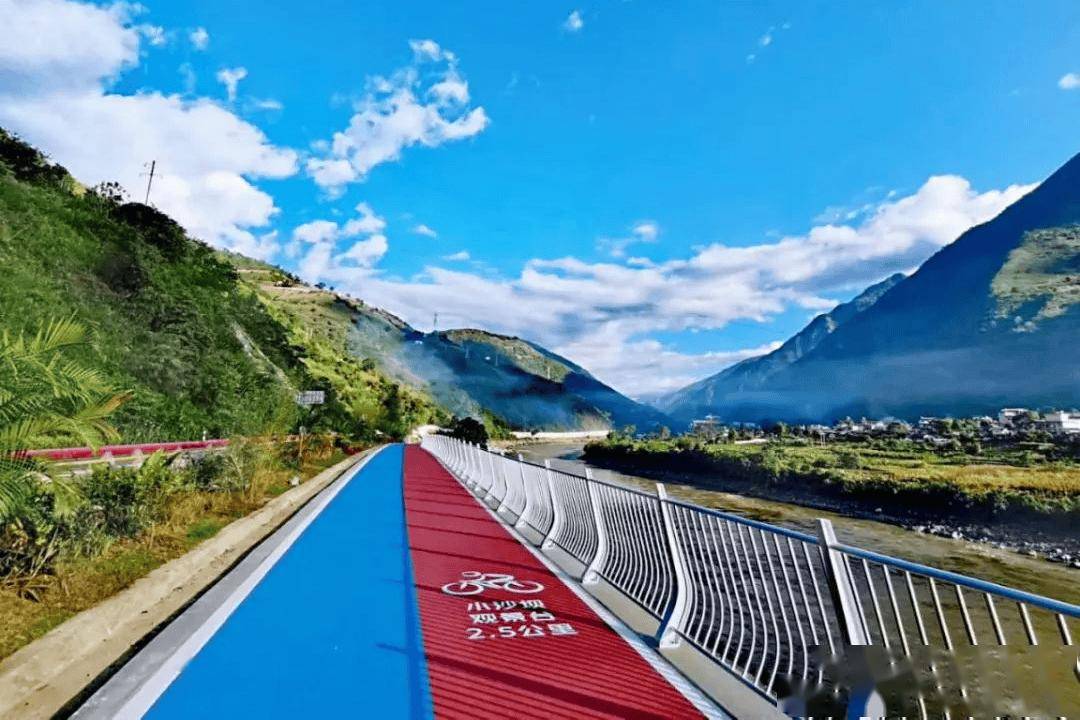
One of the main functions of colored coatings is to enhance road visibility. Bright and stable colors help clearly define traffic zones and guide road users.
Common safety applications include:
Bicycle lane marking
Pedestrian crossings
School zones
Bus priority lanes
Conflict areas at intersections
High color contrast improves driver awareness and reduces accident risk in busy urban environments.
When combined with anti-skid aggregates, water-based coatings can significantly improve surface friction. This helps reduce slipping and enhances vehicle control, especially under wet conditions.
Benefits include:
Better braking performance
Reduced skid accidents
Improved cyclist safety
Stable tire grip in rainy weather
This makes them suitable for roads with frequent braking and turning movements.
Water-based coatings are easy to apply and often cure relatively quickly depending on environmental conditions. This allows road sections to be reopened in a short time, reducing disruption in busy cities.
They are ideal for:
Nighttime road maintenance
Urban traffic upgrade projects
Rapid lane re-marking
Emergency surface repairs
Modern water-based pavement coatings are engineered to bond strongly with both asphalt and concrete surfaces. They resist peeling, cracking, and delamination under heavy traffic loads.
They also provide resistance to:
UV radiation
Rain and moisture
Temperature changes
Tire wear and abrasion
This ensures long-term performance in demanding environments.
Water-based colored pavement coatings are commonly used in:
Urban arterial roads
Bicycle lanes
Crosswalks
Parking lots
Industrial facilities
Airport service roads
Commercial plazas
Residential community roads
They are especially effective in areas requiring both visual guidance and surface protection.
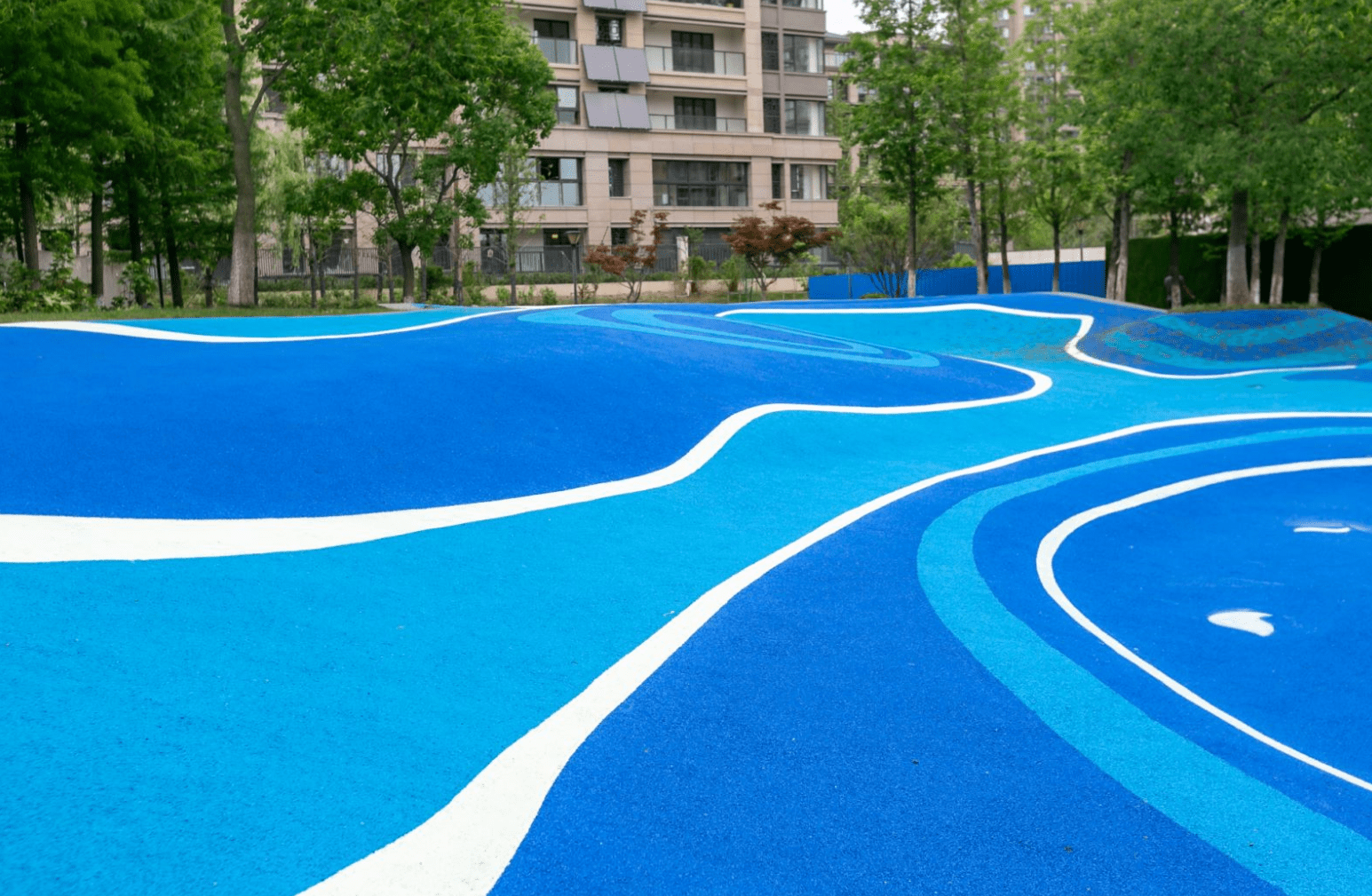
Modern smart cities require road systems that are safe, sustainable, and visually organized. Water-based colored coatings support these goals by combining:
Environmental sustainability
High visibility traffic management
Cost-effective maintenance
Flexible design options
They also help create clear functional zoning within complex urban traffic networks.
Water-based colored pavement coatings provide a practical and environmentally friendly solution for high traffic areas. With strong safety performance, good durability, and low environmental impact, they are increasingly used in modern urban infrastructure projects.
As cities continue to prioritize sustainable transportation and safer road systems, water-based colored coatings will remain an important technology for improving traffic organization and reducing road accidents.