What Are Road Anti-Skid Materials and How Do They Work?
Road anti-skid materials are specialized surface treatment systems designed to increase friction between vehicle tires and road surfaces, helping to prevent slipping, skidding, and loss of control. They are widely used in highways, intersections, ramps, bridges, tunnels, bicycle lanes, and pedestrian crossings where safety and grip are critical.
In simple terms, road anti-skid materials work by making the road surface rougher and more frictional, so tires can grip the ground more effectively—especially in rain, snow, or emergency braking situations.
How Road Anti-Skid Materials Work
The working principle of road anti-skid materials is based on improving surface texture and micro-friction. There are three main mechanisms:
First, surface texture enhancement. Anti-skid systems use hard aggregates such as ceramic particles, basalt, or quartz sand to create a rough surface layer. This increases contact resistance between tires and pavement.
Second, high-friction bonding layers. Resin-based or polymer-modified binders firmly lock the aggregates in place, ensuring the rough texture remains stable under heavy traffic and does not wear off quickly.
Third, micro-roughness effect. Even when roads appear smooth visually, anti-skid materials create microscopic peaks and valleys that improve tire grip at the contact level. This significantly reduces braking distance.
Types of Road Anti-Skid Materials
Different materials are used depending on the application:
Resin-based anti-skid coatings: High strength and long-lasting adhesion, suitable for intersections and ramps
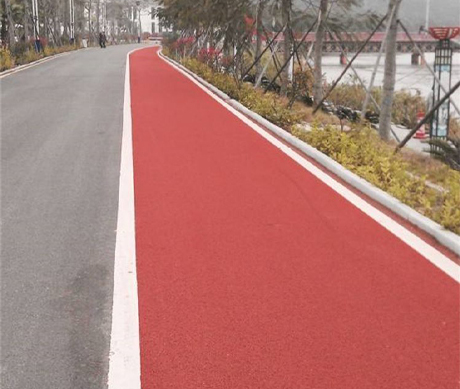
Ceramic aggregate systems: Excellent durability and weather resistance, often used in colored safety roads
Polymer-modified micro-surfacing: Cost-effective solution for large-area road maintenance
High-friction surfacing systems: Designed for critical safety zones with heavy braking demand
Where They Are Used
Road anti-skid materials are commonly applied in:
Highway curves and exits
Urban intersections and crosswalks
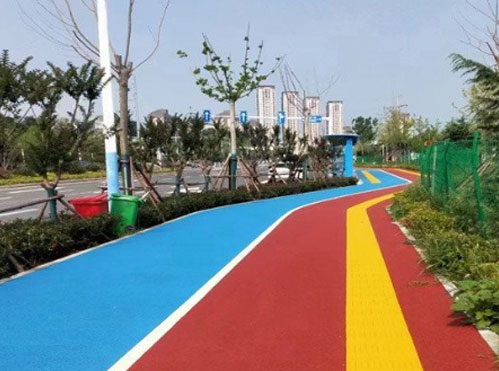
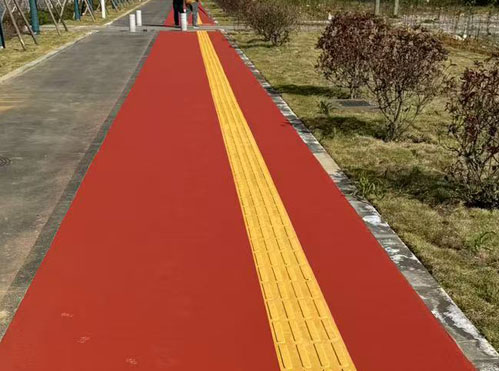
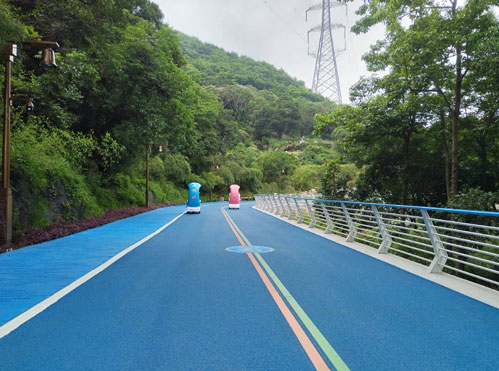
Bicycle lanes and shared pathways
Bridge decks and tunnel entrances
School zones and pedestrian-heavy areas

Why They Are Important
The main value of road anti-skid materials is accident prevention. Slippery roads are a major cause of traffic accidents, especially during rain or sudden braking. By increasing friction and stability, these materials help:
Reduce skidding and hydroplaning risk
Shorten braking distance
Improve vehicle control
Enhance pedestrian and cyclist safety
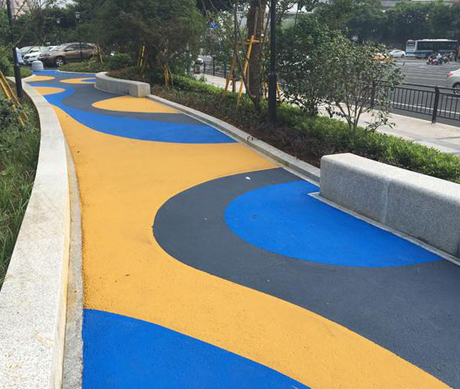
In addition, many modern systems also include colored designs, helping to improve road visibility and traffic organization.
In summary, road anti-skid materials work by creating a durable, high-friction surface layer that significantly improves tire grip and overall road safety. They are a key technology in modern transportation infrastructure and play an essential role in building safer, smarter road networks.